

The Shamrock Ireland Meaning: Ireland’s Most Powerful Symbol and Its Meaning
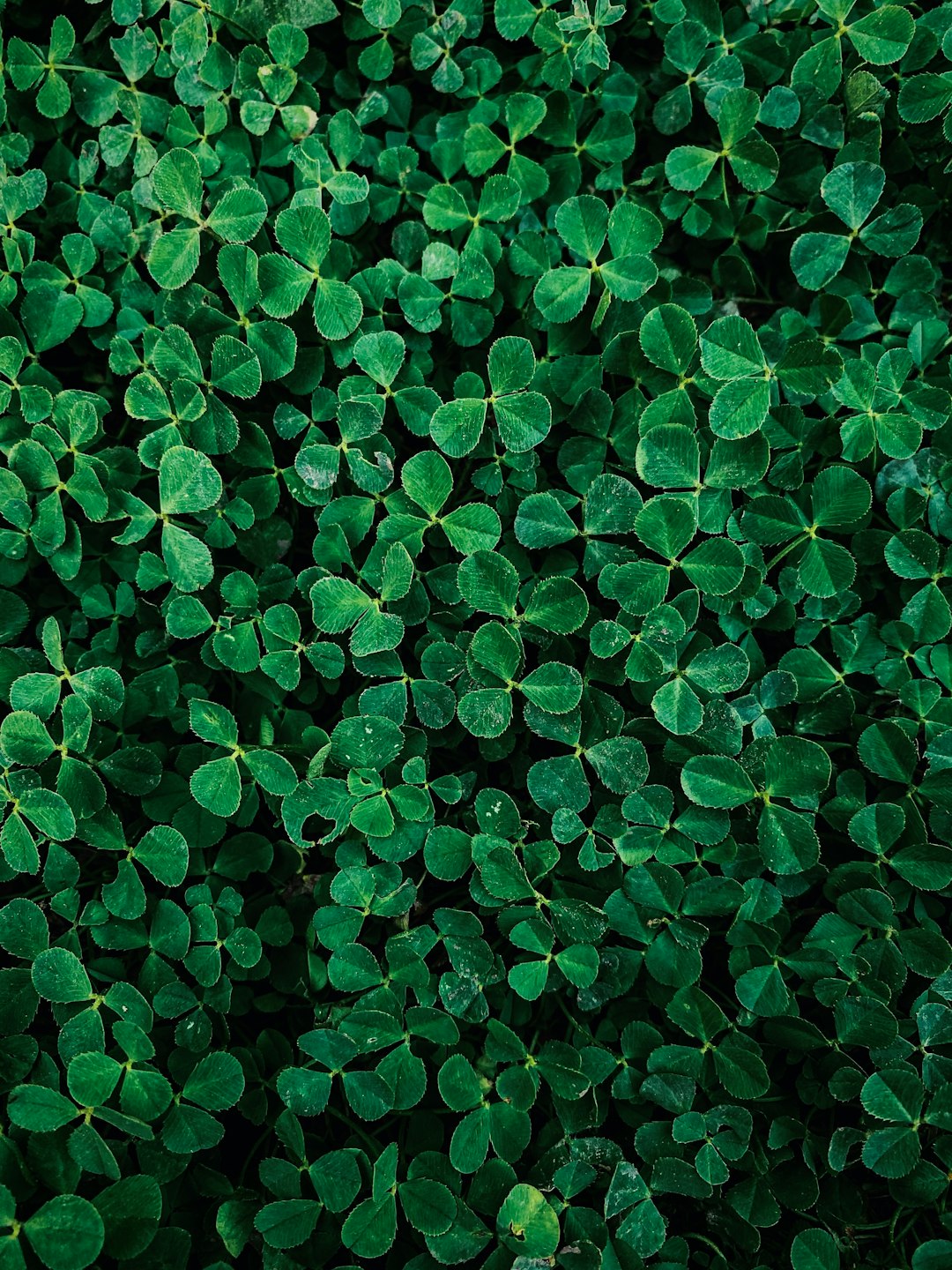
The shamrock Ireland meaning carries deep cultural and historical significance, resonating with Irish people and those of Irish descent worldwide. This humble three-leafed plant is more than just a symbol; it embodies the spirit of Ireland, representing faith, hope, and unity. For generations, the shamrock has been a cherished emblem, closely linked to why Irishness is celebrated all over the world. Whether worn on St Patrick’s Day or displayed proudly in homes abroad, the shamrock continues to inspire feelings of pride and connection among the Irish diaspora.
The Origins of the Irish Shamrock Symbol
The Irish shamrock symbol traces its roots deep into Ireland’s ancient past. The word ‘shamrock’ comes from the Irish “seamróg,” meaning “young clover.” This modest plant, with its three heart-shaped leaves, was traditionally believed to possess protective qualities and was used by Druids in pre-Christian times as a sacred plant. Over centuries, the shamrock evolved from a simple botanical curiosity into a powerful emblem of Irish identity.
Its association with Ireland became especially prominent in the early Christian era, when the shamrock was used as a teaching tool by St Patrick. The bright green plant perfectly illustrated the Christian doctrine of the Holy Trinity—Father, Son, and Holy Spirit—thus intertwining religious symbolism with Irish culture. Today, the shamrock remains the Irish national symbol, a visual shorthand for Ireland’s heritage and values.
St Patrick Shamrock: A Symbol of Faith and Nationhood
The story of the St Patrick shamrock is one of Ireland’s most enduring legends. According to tradition, St Patrick, Ireland’s patron saint, used the shamrock to explain the concept of the Holy Trinity to the Irish people during his missionary work in the 5th century. This simple yet effective metaphor helped to convert many to Christianity, embedding the shamrock firmly in Ireland’s spiritual and cultural fabric.
Beyond its religious significance, the shamrock became a rallying symbol of national pride, especially during times when Irish identity was challenged. Wearing the shamrock on St Patrick’s Day became an act of cultural affirmation, a way to celebrate Irishness both at home and abroad. For the Irish diaspora, the shamrock is a reminder of their roots, a living connection to the land and its stories.
The Shamrock’s Role in Irish Blessings and Folklore
The shamrock is often featured in traditional Irish blessings, embodying wishes of good health, luck, and happiness. One particularly popular blessing says, “For each petal on the shamrock, this brings a wish your way: Good health, good luck, and happiness.” This charming verse encapsulates the spirit of goodwill and hope that the shamrock represents.
Folklore also paints the shamrock as a mystical plant capable of warding off evil spirits and bringing fortune. Its three leaves are said to symbolise faith, hope, and love—the foundation stones of Irish culture and community. This rich symbolism is why the shamrock is so widely embraced, not just as an emblem of Ireland, but as a token of blessing and protection.
Modern Day Use: The Shamrock as a Global Irish Icon
Today, the shamrock continues to be a potent emblem of Irish identity worldwide. It appears on everything from sports jerseys to corporate logos, jewellery, and official government insignia. The shamrock’s universal appeal is evident in how it unites the Irish diaspora, reminding them that everyone is a little bit Irish at heart.
It also features prominently in historic sites such as Dublin Castle, where it symbolises Ireland’s rich heritage and enduring spirit. Whether celebrated during St Patrick’s Day parades or quietly cherished as a family heirloom, the shamrock remains a timeless symbol of Ireland’s past, present, and future.
| Scientific Name | Trifolium dubium (commonly) |
| Number of Leaves | Three (symbolising the Holy Trinity) |
| Associated Saint | St Patrick |
| National Symbol | Yes, the Irish shamrock symbol is the official emblem of Ireland |
| Cultural Significance | Faith, hope, love, good luck, and Irish identity |
Plan Your Ireland Experience
Ready to experience Ireland for yourself? Book a St Patrick’s Day experience in Dublin and create memories that will last a lifetime.
Frequently Asked Questions about the Shamrock
What is the difference between a shamrock and a clover?
While all shamrocks are clovers, not all clovers are shamrocks. The shamrock typically refers to the three-leafed clover species, especially Trifolium dubium, which is native to Ireland. The term “clover” can describe various species with different leaf counts.
Why is the shamrock associated with St Patrick?
St Patrick is said to have used the shamrock to explain the Christian doctrine of the Holy Trinity to the Irish people, making the plant a symbol of faith and Irish Christianity.
Is the shamrock the official symbol of Ireland?
Yes, the shamrock is one of Ireland’s most recognised national symbols, representing the country in many official capacities and cultural celebrations.
What does each leaf of the shamrock represent?
The three leaves traditionally represent faith, hope, and love. In Christian symbolism, they also stand for the Father, Son, and Holy Spirit.
Can the shamrock bring good luck?
In Irish folklore, the shamrock is believed to bring good luck and protection against evil spirits, which is why it is often worn or carried as a talisman.
Conclusion: The Enduring Power of the Shamrock Ireland Meaning
The shamrock Ireland meaning is much more than a simple plant; it is a profound symbol of Irish culture, faith, and identity. From its ancient origins through its association with St Patrick to its modern-day status as the Irish national symbol, the shamrock continues to unite Irish people worldwide. For the diaspora, it is a cherished emblem of home, heritage, and hope—a reminder that no matter where life takes us, the spirit of Ireland is never far away. Embracing the shamrock is to embrace the heart of Ireland itself.
☘️ You Might Also Love
☘️ Want More Hidden Ireland?
Join 64,000+ subscribers who discover Ireland’s best-kept secrets every week.
Subscribe Free — Join the Community →
Free forever · Unsubscribe anytime · No spam
📥 Free Download: Ireland Travel Planning Guide
Our most popular resource — itineraries, insider tips, and the 50 places you must not miss.
Tours & experiences you might love


Powered by Viator. Some links are affiliate links — we may earn a small commission at no extra cost to you.
Secure Your Dream Irish Experience Before It’s Gone!
Planning a trip to Ireland? Don’t let sold-out tours or packed attractions spoil your journey. Iconic experiences like visiting the Cliffs of Moher, exploring the Rock of Cashel, or enjoying a guided walk through Ireland’s ancient past often sell out quickly—especially during peak travel seasons.

Booking in advance guarantees your place and ensures you can fully immerse yourself in the rich culture and breathtaking scenery without stress or disappointment. You’ll also free up time to explore Ireland’s hidden gems and savour those authentic moments that make your trip truly special.
Make the most of your journey—start planning today and secure those must-do experiences before they’re gone!