

Every September, the spa town of Lisdoonvarna in County Clare empties of quiet and fills with music, dancing, and the particular buzz of people looking for love. It has been happening this way for over 170 years — and unlike so many old traditions, it never needed saving. It simply never stopped.
A Tradition Born from the Harvest
The festival traces its roots to the mid-1800s, when farmers across the west of Ireland finished the harvest in late August and early September. With the fields cleared and winter still weeks away, families had rare leisure time and a pressing question: who would marry their sons and daughters?
County Clare’s natural sulphur springs had drawn visitors to Lisdoonvarna since the 1700s. People came to take the spa waters — and stayed to socialise. By the 1850s a pattern had established itself: farmers arrived from across Munster and Connacht not just to rest, but to find a match.
Professional matchmakers were the brokers. They kept detailed records — family backgrounds, land holdings, character, reputation. A matchmaker’s introduction carried real weight. Marriages arranged through them were expected to last, and usually did.
Willie Daly and His Ledger
The most famous matchmaker working today is Willie Daly, whose family has been in the trade for three generations. He doesn’t use a database or an algorithm. He keeps a thick, handwritten ledger — entries going back decades — and works from it the old way: face to face, listening carefully before making any introduction.
His table in Lisdoonvarna during September draws a steady queue. Some visitors are genuinely seeking a partner. Others are simply curious. A few are sceptical but come anyway. Willie treats them all the same — with patience, a few well-chosen questions, and a story or two to put them at ease.
He claims hundreds of successful matches over his career. Whether every story holds exactly, it doesn’t much matter. The ritual itself has meaning. Someone is paying attention. Someone thinks your happiness is worth their time.
What the Festival Looks Like Today
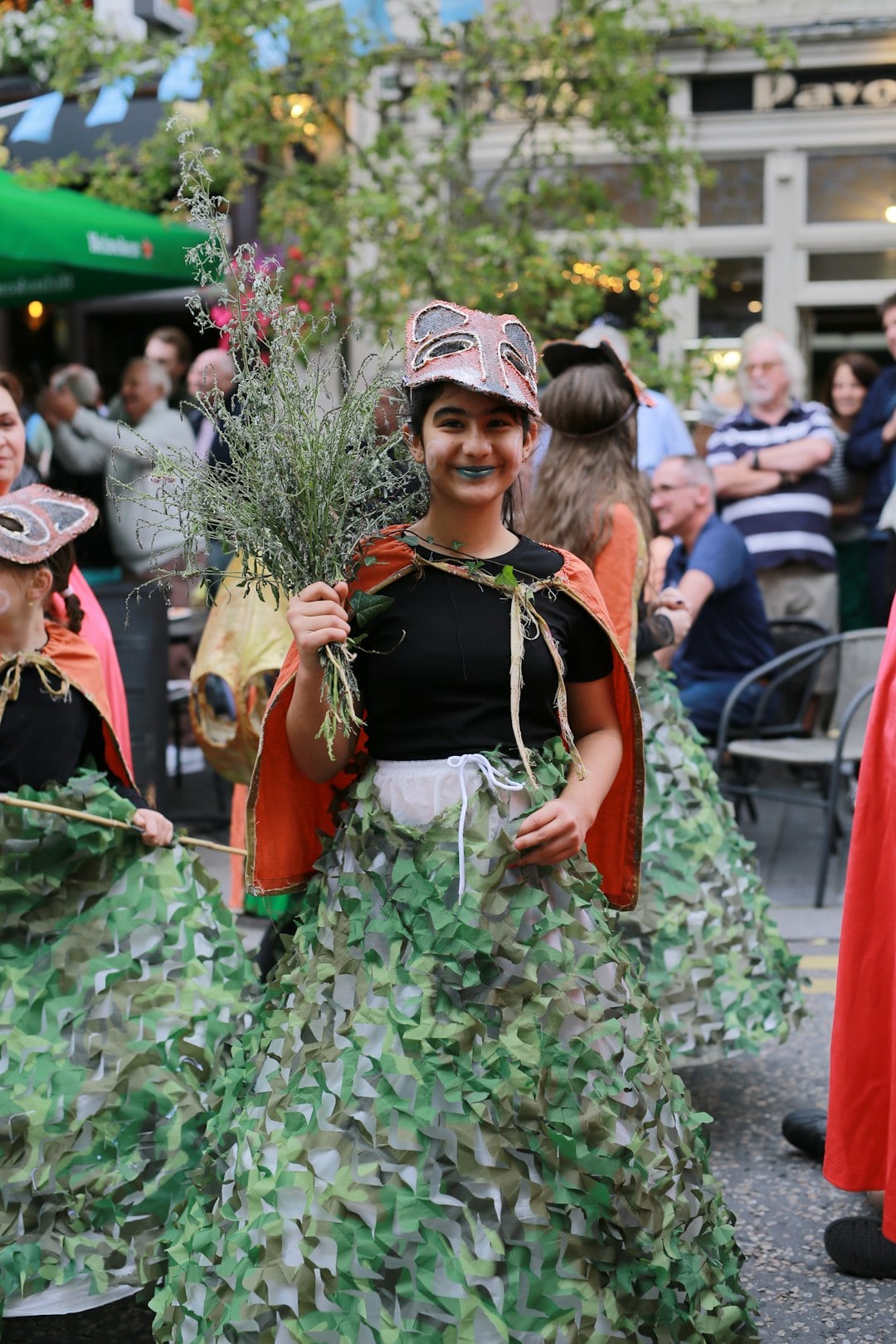
The modern festival runs the entire month of September. Ceili dances start in the afternoon. Set dancing fills the village halls. Pubs play live traditional music from opening until well after midnight. The town, which holds just a few hundred residents year-round, swells to tens of thousands of visitors over the course of the month.
The crowd is deliberately mixed. Older visitors who have attended for decades. Younger people who discovered the festival online. Irish diaspora travelling from Britain, America, and Australia. Tourists from mainland Europe who saw a description and couldn’t resist. For all of them, the common ground is music, dancing, and the easy warmth that Lisdoonvarna seems to generate.
☘️ Enjoying this? 64,000+ Ireland lovers get stories like this every week. Subscribe free →
Why It Still Works
It would be easy to assume the festival survives on nostalgia alone. It doesn’t. September in County Clare is genuinely pleasant — warm enough for outdoor dancing, not yet cold enough to keep people inside. The Burren is spectacular in autumn light. The Cliffs of Moher, a short drive west, draw visitors regardless of season.
But the real reason the festival endures is that it offers something no app can replicate: a room full of strangers who are all, on some level, open to connection. You don’t need to come looking for a spouse. You can come for the music, the craic, the dancing. The possibility is simply always there. That’s a rare thing to manufacture — and Lisdoonvarna doesn’t manufacture it. It just maintains the conditions in which it can happen naturally.
The Older Tradition Behind It
Lisdoonvarna didn’t appear in isolation. The same impulse that filled crossroads with dancers every Sunday — communal gathering, music, the chance to meet someone new — drove the matchmaking tradition too. When the Irish government banned crossroads dancing in the 1930s, Ireland lost one of its great informal meeting places. Lisdoonvarna quietly absorbed some of that energy.
The pattern days at holy wells, the harvest dances, the matchmakers at country fairs — all of it pointed to the same Irish instinct: that the best things in life are found in community, not in isolation. Lisdoonvarna is one of the last places where that instinct still has a formal home.
Planning a Visit
The festival runs throughout September, with the busiest weekends falling mid-month and in the final week. Lisdoonvarna is perfectly placed for exploring the wider County Clare region — the Burren, Doolin, and the Cliffs of Moher are all within easy reach.
Book accommodation well ahead if you want to stay in town; it fills fast. If you’re planning a trip to Ireland, September is one of the best months to be in the west — the light is golden, the crowds thinner than summer, and the craic, in Lisdoonvarna at least, at its peak.
Come for the music. Stay for the dancing. And keep an open mind about the matchmaker’s ledger.
☘️ You Might Also Love
Tours & experiences you might love


Powered by Viator. Some links are affiliate links — we may earn a small commission at no extra cost to you.
Secure Your Dream Irish Experience Before It’s Gone!
Planning a trip to Ireland? Don’t let sold-out tours or packed attractions spoil your journey. Iconic experiences like visiting the Cliffs of Moher, exploring the Rock of Cashel, or enjoying a guided walk through Ireland’s ancient past often sell out quickly—especially during peak travel seasons.

Booking in advance guarantees your place and ensures you can fully immerse yourself in the rich culture and breathtaking scenery without stress or disappointment. You’ll also free up time to explore Ireland’s hidden gems and savour those authentic moments that make your trip truly special.
Make the most of your journey—start planning today and secure those must-do experiences before they’re gone!