

Once a year, as Lent approached, every unmarried man and woman in rural Ireland quietly braced themselves. Not for the fasting. For the list.
The Skellig List was one of the most peculiar folk traditions in Irish rural life — a public naming of every bachelor and spinster who had failed to find a spouse before Shrove Tuesday. And it all hinged on a storm-swept rock off the coast of Kerry that refused to follow the same calendar as the rest of the country. The whole thing was absurd, pointed, and very Irish.
The Deadline That Ruled Rural Ireland
Shrove Tuesday was the last day anyone could marry before Lent — a six-week stretch when weddings were forbidden by Church law. In rural Ireland, that deadline felt like a cliff edge.
Match-making was never a quiet business. Families negotiated, fathers consulted, and neighbours watched. If a match had not been settled by Shrove Tuesday evening, everyone in the townland already knew it. There was nowhere to hide in a community that small.
Missing the deadline meant a wait of nearly forty days until Easter. Another forty days of sidelong glances at Sunday Mass. Another forty days of people asking perfectly innocent questions that were not innocent at all.
The Rock That Ran Thirteen Days Behind
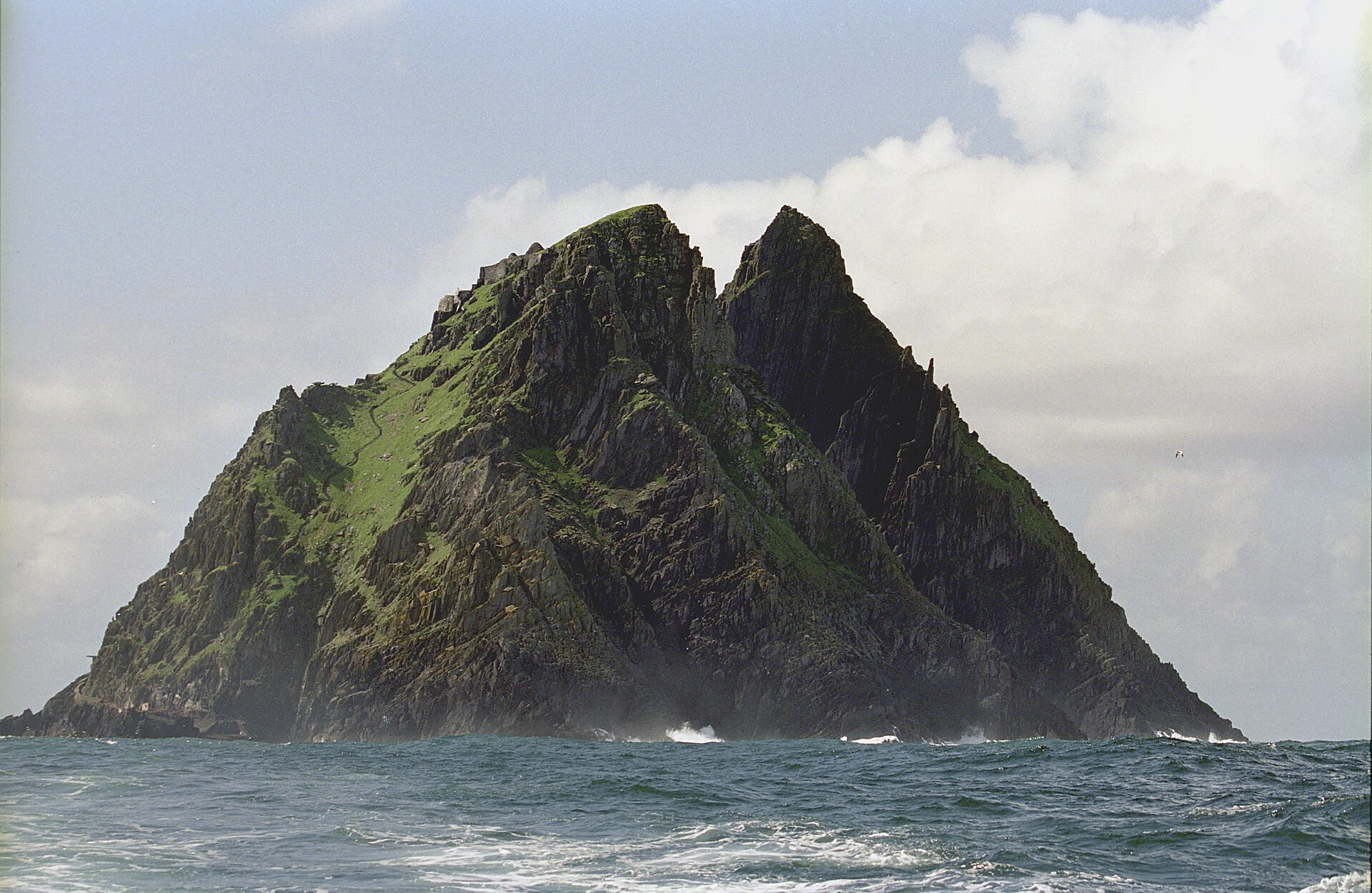
Eleven miles off the coast of Kerry, Skellig Michael rises sheer from the Atlantic. Monks lived on its peaks for centuries, in beehive huts barely wider than a man’s outstretched arms. The monastic community was long gone by the time the Skellig List became a tradition — but the rock remained, and so did its peculiarity.
Skellig Michael operated on the old Julian calendar, thirteen days behind the Gregorian calendar that the rest of Ireland followed after 1752. That meant the island’s Shrove Tuesday fell a full fortnight after the mainland’s.
The folk logic, spread in equal parts jest and desperation, was this: if you had missed your chance on the mainland, you could theoretically sail to the Skelligs and marry there — under a calendar that said Lent had not started yet. The rock was offering you a second shot. Whether the rock knew it or not was a separate matter entirely.
The Lists That Made People Walk Faster Past Certain Houses
What gave this idea its lasting social bite was the Skellig List itself — the mock-official register compiled by neighbours, wits, and local newspapers across Munster and beyond.
The list named every bachelor and spinster who had, in the eyes of the parish, let Shrove Tuesday pass without making proper use of it. These were the people who would, in theory, need to sail to the Skelligs. Local papers sometimes printed the lists with cheerful seriousness. Neighbours whispered them in kitchens. A gifted wit might read one aloud at a gathering to considerable effect.
Being named on a Skellig List was not a violent thing or even a cruel one, precisely. But it was the kind of attention that made people take slightly longer routes home and develop a sudden interest in examining the far wall during conversations.
☘️ Enjoying this? 64,000+ Ireland lovers get stories like this every week. Subscribe free →
The Crossing Nobody Was in a Hurry to Make
In practise, few people actually sailed to Skellig Michael on the strength of a calendar loophole. The crossing was notoriously rough. The waters around the Skellig rocks are among the most unpredictable off the Irish coast, and landing meant clinging to iron rungs hammered into near-vertical stone faces.
The tradition worked precisely because the threat was real enough to be funny. The Skellig Calendar existed. The crossing was possible. The social stakes were genuine. All of it together produced a joke with genuine teeth — which is, in truth, the only kind of joke worth telling.
Some couples did make the crossing in earlier centuries, or so it was said. Whether they found willing priests or witnesses on those bare rocks is a question the records do not answer clearly. The story was usually more valuable than the journey.
What the Tradition Says About Ireland
Ireland has always had clever ways of making the serious business of human life a little more bearable. The same instinct that produced Lisdoonvarna’s famous matchmaking festival also produced the Skellig Lists — a tradition that laughed at social pressure without ever pretending the pressure wasn’t real.
The anxieties around Shrove Tuesday were genuine. The deadline was genuine. And the laughter that grew up around both of them was a way of living with reality rather than being crushed by it. That is a particular Irish skill, and it has not gone away.
The lists have stopped now. The strict marriage deadline has long gone. Shrove Tuesday is mostly celebrated with pancakes rather than panic.
But Skellig Michael is still out there, rising from the Atlantic, unchanged and unhurried. The beehive huts still cling to the southern peak. The puffins still arrive every summer. And if you take a boat out on a clear Kerry morning and look back at the mainland shrinking behind you, it is not hard to understand why a rock that ran on different rules once captured the entire country’s imagination.
If you are planning a trip to Ireland, County Kerry and the Skellig coast are worth every effort to reach.
☘️ You Might Also Love
☘️ Join 64,000+ Ireland Lovers
Every Friday, get Ireland’s hidden gems, local secrets, and travel inspiration — the kind you won’t find in any guidebook.
Subscribe free — enter your email:
Free forever · · Unsubscribe anytime
Tours & experiences you might love


Powered by Viator. Some links are affiliate links — we may earn a small commission at no extra cost to you.
Secure Your Dream Irish Experience Before It’s Gone!
Planning a trip to Ireland? Don’t let sold-out tours or packed attractions spoil your journey. Iconic experiences like visiting the Cliffs of Moher, exploring the Rock of Cashel, or enjoying a guided walk through Ireland’s ancient past often sell out quickly—especially during peak travel seasons.

Booking in advance guarantees your place and ensures you can fully immerse yourself in the rich culture and breathtaking scenery without stress or disappointment. You’ll also free up time to explore Ireland’s hidden gems and savour those authentic moments that make your trip truly special.
Make the most of your journey—start planning today and secure those must-do experiences before they’re gone!
Subscribe Free