

County Wicklow sits just south of Dublin, yet most visitors skip it entirely. That is a mistake. The best things to do in Wicklow range from ancient monastic ruins to Ireland’s most dramatic mountain roads — all within an hour of the capital. Locals call it the Garden of Ireland, and once you see it, you will understand why.
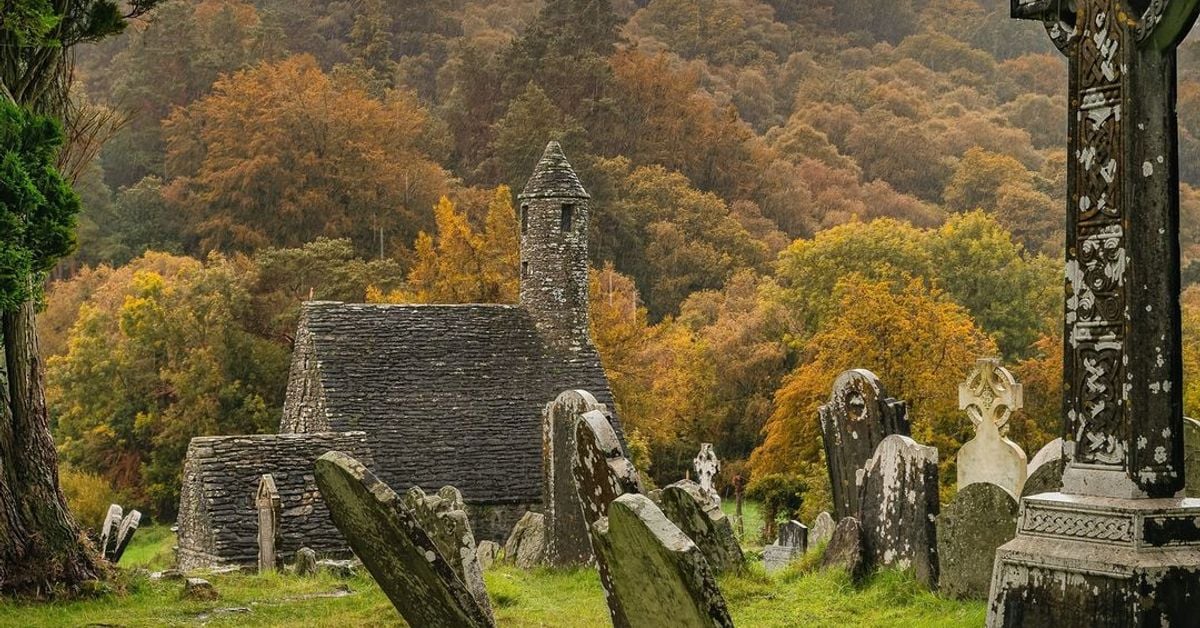
Whether you are planning a day trip from Dublin or spending several nights, Wicklow rewards every traveller. This complete guide covers the top attractions, hidden corners, and practical tips to help you make the most of your visit. For the full Ireland trip planning toolkit, start with the Love Ireland planning guide.
Explore Glendalough — Ancient Ireland’s Greatest Monastic City
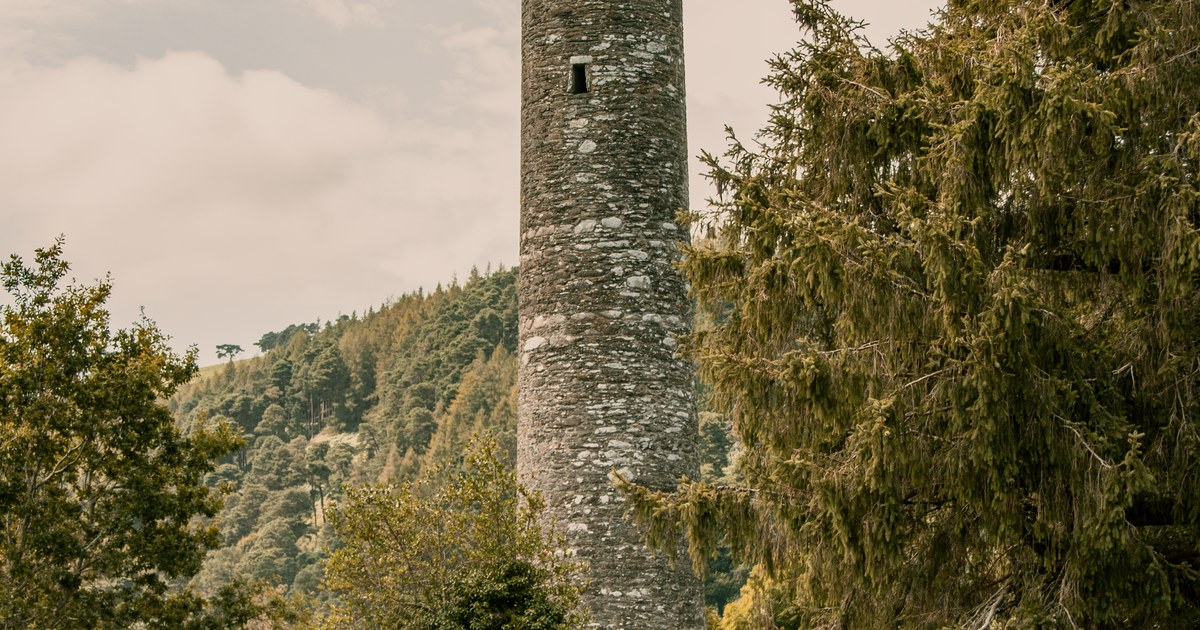
Glendalough is the centrepiece of any Wicklow visit. The name means Valley of Two Lakes in Irish, and this sixth-century monastic settlement is one of Ireland’s most breathtaking historic sites. St Kevin founded it around 570 AD after years of solitary prayer in a cave above the upper lake. Read the full story of the Irish saint who changed Ireland forever.
What You Will See at Glendalough
The site spreads across a wooded valley between two glacial lakes. The main monastic enclosure holds a cathedral, a perfectly preserved round tower, and a cemetery packed with ancient Celtic crosses. The round tower stands over 30 metres tall. Monks climbed inside via a doorway set high above the ground to protect manuscripts from Viking raids. Learn more about the strange detail on every Irish round tower.
Walk to the upper lake for a quieter experience. The path runs through ancient oak woodland and passes Reefert Church, a roofless ruin that dates to the eleventh century. In autumn, the valley turns gold and copper. In spring, it fills with birdsong. Glendalough is genuinely beautiful in every season.
Getting to Glendalough
Glendalough lies in the Wicklow Mountains National Park, about 55 kilometres south of Dublin. The St Kevin’s Bus runs twice daily from Dublin city centre and takes around 80 minutes. Alternatively, join a day tour from Dublin — several operators leave from the city centre each morning. If you drive, parking is available at both the lower and upper lake car parks. Arrive before 10am in summer to avoid the crowds. Plan your visit: Glendalough on Heritage Ireland.
Visit Powerscourt Estate and Waterfall
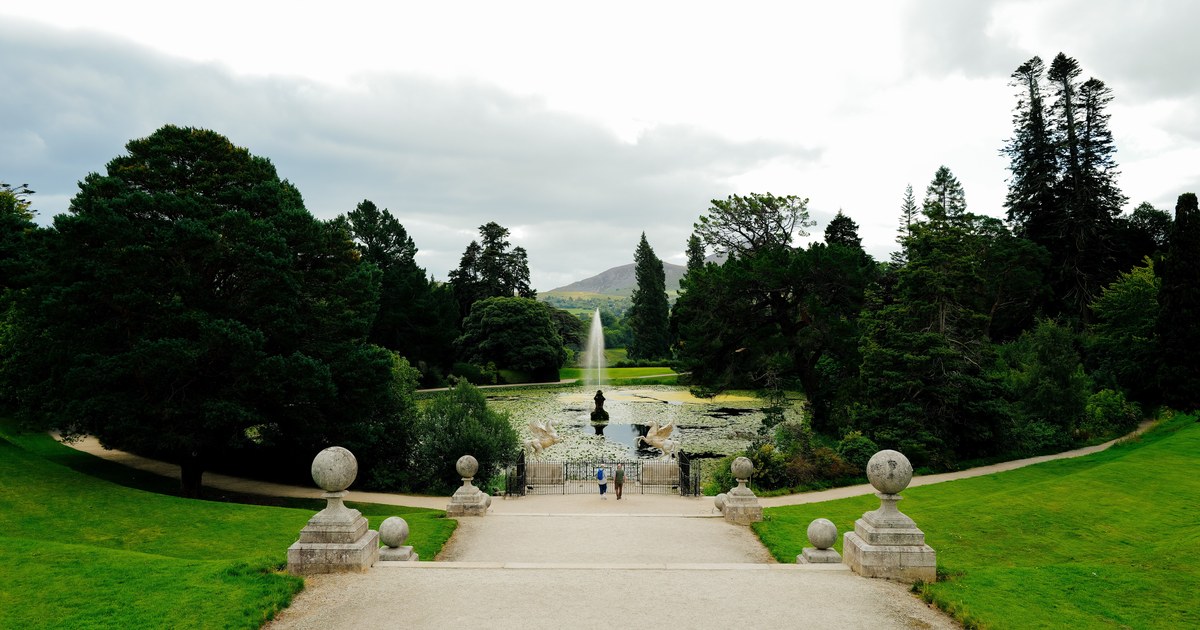
Powerscourt Estate in Enniskerry has been described as one of the finest gardens in the world. This is not an exaggeration. Landscape architects shaped the formal gardens over the eighteenth and nineteenth centuries, covering 47 acres. They include Italian terraces, a Japanese garden, a walled kitchen garden, and sweeping views to the Great Sugarloaf mountain.
The Powerscourt Gardens
The house at the centre of the estate dates to the 1730s. It burned down in 1974 and has been partially restored. Today it houses a garden centre, restaurants, and a terrace café. Plan at least two hours to explore the gardens properly. The Triton Lake at the heart of the formal garden has a fountain that reaches 20 metres high on calm days. Plan your visit: Powerscourt Gardens on Discover Ireland.
Powerscourt Waterfall
The waterfall is located five kilometres from the main estate — you need to drive there separately. At 121 metres, it is the highest waterfall in Ireland. The pool at its base is surrounded by ancient beech trees and open parkland. Bring a picnic. There is a small entry fee, but it is well worth it for the walk around the base. More background: Powerscourt Waterfall on Wikipedia.
Walk the Wicklow Way
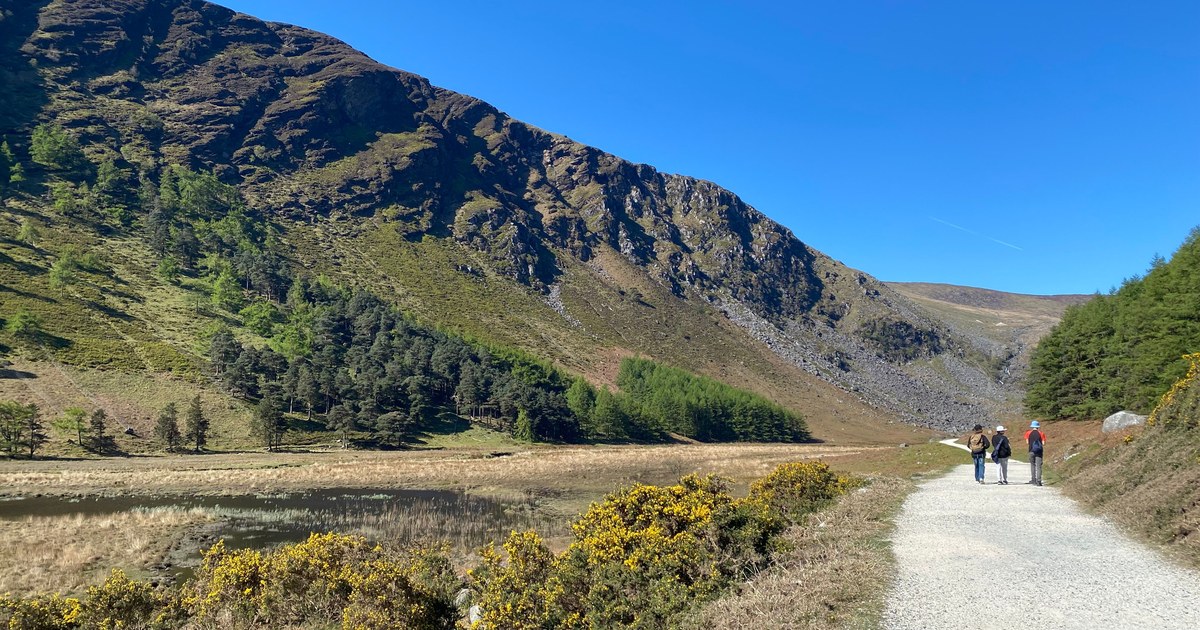
The Wicklow Way is Ireland’s oldest long-distance walking trail. It runs 127 kilometres from Marlay Park in Dublin to Clonegal in County Carlow, passing through the heart of the Wicklow Mountains. You do not need to walk the entire route. Many sections work perfectly as day walks or half-day loops. Plan your visit: Official site.
Best Sections for Day Walkers
The section between Glendalough and Roundwood is one of the most scenic. It passes Lough Dan, a remote mountain lake with no road access. The walk takes about four hours and offers views that stretch to the sea on clear days. Another popular section runs from Enniskerry to Powerscourt Waterfall through mixed forestry and open bog.
Wear waterproof boots. The trails cross blanket bog and mountain terrain that stays damp even in summer. Download the Wicklow Way map from the National Trails Office before you go. Phone signal is unreliable in the mountains.
☘️ Enjoying this? 64,000+ Ireland lovers get stories like this every week.
Thinking about it seriously?
If you’ve started actually planning a move, our complete the full Move to Ireland guide walks through every step, every cost, and the paperwork that catches most people out.
Subscribe free →
Drive the Sally Gap — Wicklow’s Most Dramatic Road
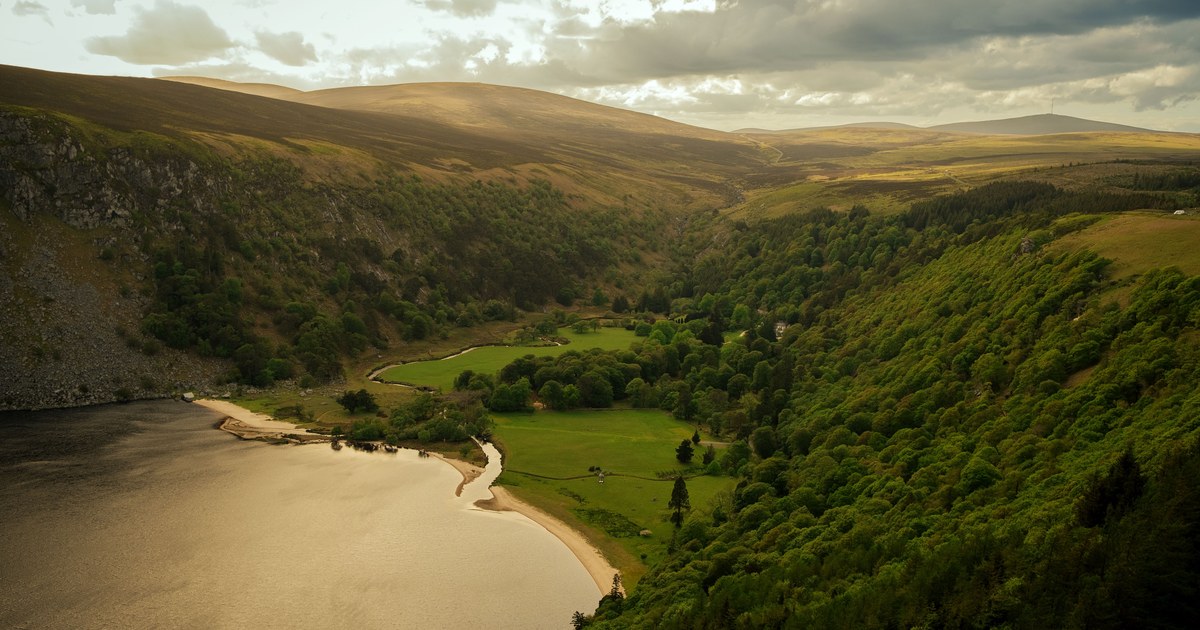
The Sally Gap is a mountain pass that crosses the highest part of the Wicklow Mountains. The road through it runs between Roundwood and the Kildare border. It feels like driving through another world. The landscape is all open bog, dark peat, and dark mountain lakes. On a grey day it is brooding and wild. On a sunny day it is almost impossibly beautiful.
The Sally Gap is not a destination in itself — it is a journey. Drive it slowly. Stop at Lough Tay, also called the Guinness Lake because of its dark water and white sand. The Guinness family estate occupies the hillside above. The view down into the valley from the roadside is one of the most photographed spots in Wicklow. Plan your visit: The Sally Gap on Visit Wicklow.
Take the DART to Bray — Wicklow’s Seaside Town
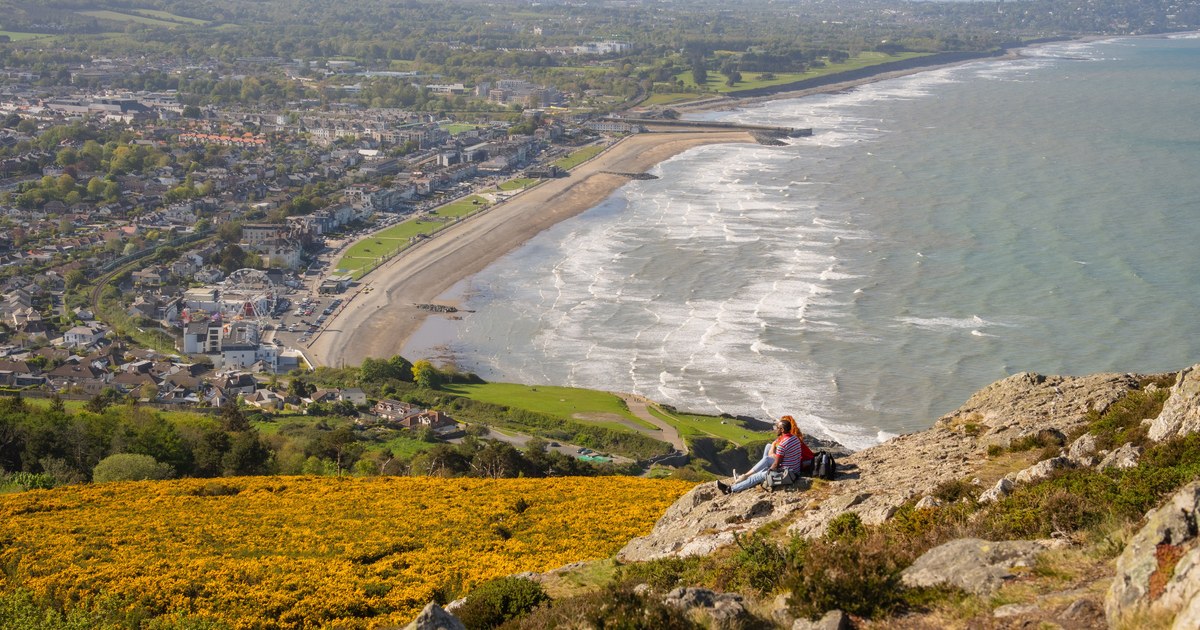
Bray is the northernmost town in County Wicklow and the easiest to reach from Dublin. The DART commuter rail runs from central Dublin to Bray in about 35 minutes. The town sits at the foot of Bray Head, a prominent headland long known for its cliff walk toward Greystones.
Note that the Bray-to-Greystones cliff walk itself has been closed since February 2021 due to ongoing landslide risk, and Wicklow County Council does not expect it to reopen until around 2029 — do not attempt the closed cliffside path. Bray Head is still very much worth a visit: the Bray Head Loop Trail climbs from the seafront up to the Bray Head Cross (about 2.5 to 3.5 kilometres round trip) and is unaffected by the closure, offering the same panoramic sea views. In Bray itself, the seafront promenade is lined with amusement arcades and chip shops — it has an old-fashioned seaside feel that feels very Irish. Plan your visit: Bray on Discover Ireland.
Visit the Vale of Avoca — Where Two Rivers Meet
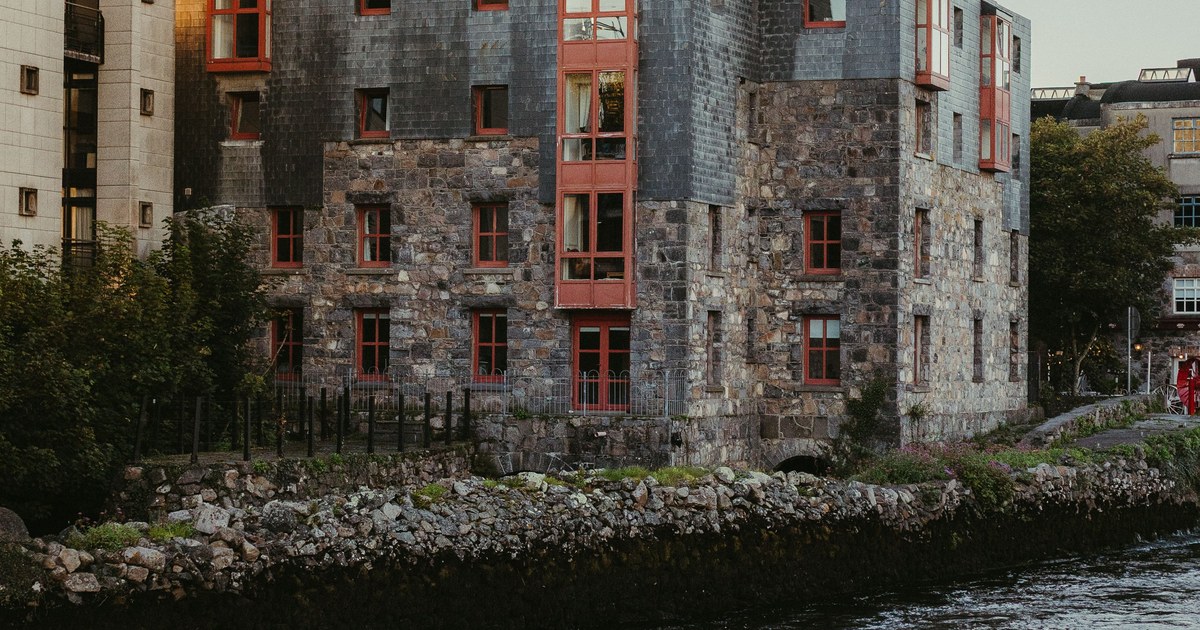
The Vale of Avoca sits in the southern part of County Wicklow. Two rivers, the Avonmore and Avonbeg, join here in a wooded valley that poet Thomas Moore immortalised in his poem “The Meeting of the Waters” in 1807. A tree above the confluence still marks the exact spot he described.
Avoca village is home to Avoca Handweavers, Ireland’s oldest surviving business. The mill has been operating since 1723. You can watch weavers at work and buy blankets, throws, and clothing in the distinctive Avoca weave. It is a genuinely working mill, not a tourist reconstruction. Allow an hour for the visit. Plan your visit: The Vale of Avoca on Discover Ireland.
Relax at Brittas Bay
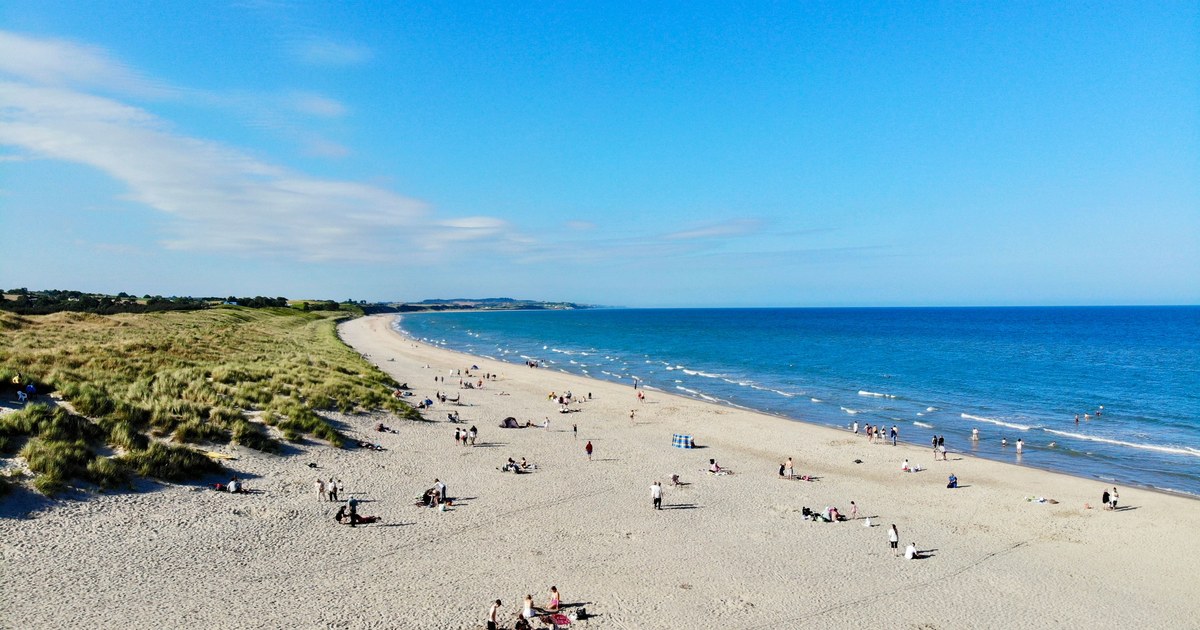
Brittas Bay is Wicklow’s finest beach and one of the best in Ireland. The beach stretches for over five kilometres and is backed by sand dunes. It faces the Irish Sea, and the water is clean enough to have earned a Blue Flag award. On warm summer days, Dubliners drive down in their thousands — arrive early.
The beach has two access points: North Beach and South Beach. South Beach tends to be quieter. There are no facilities beyond a car park and ice cream vans in summer, so bring everything you need. The sand dunes behind the beach are part of a nature reserve. Dogs are welcome outside the main summer season. Plan your visit: Brittas Bay on Discover Ireland.
Explore Wicklow Town Itself
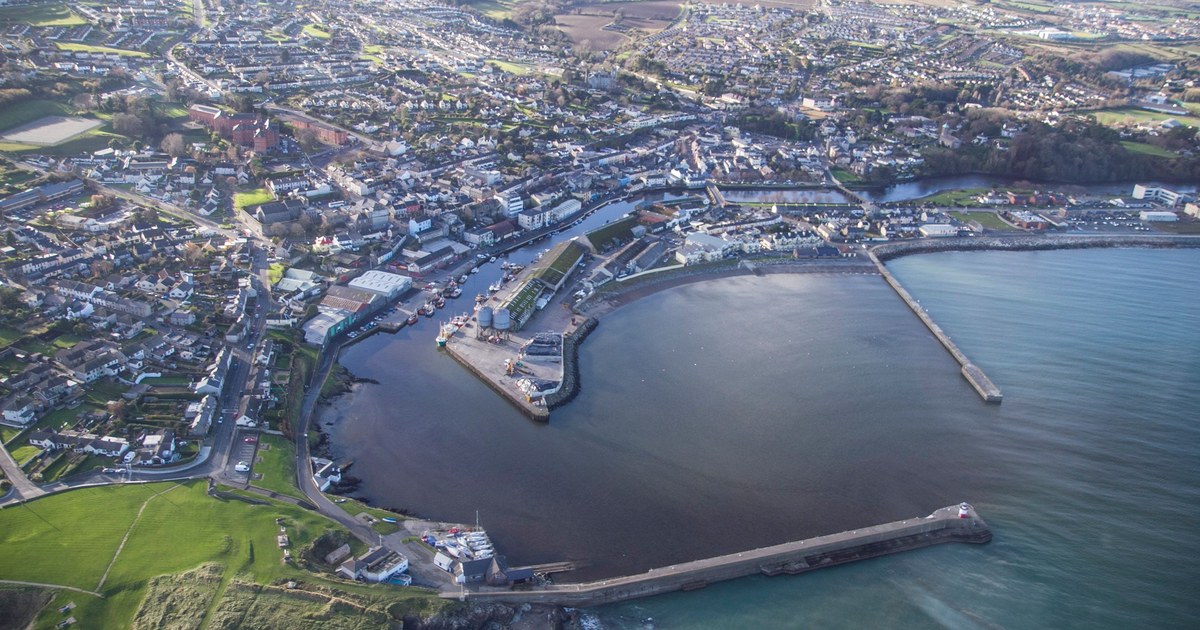
Wicklow town is often overlooked in favour of the countryside. That is unfair. The town has its own quiet charm. The main attraction is Wicklow’s Historic Gaol, a former county prison that operated from 1702 to 1924. It held prisoners during the 1798 Rebellion and later processed famine emigrants bound for Australia. The guided tours are genuinely moving.
The town also has a pleasant quayside area and a restored Black Castle ruin that dates to the twelfth century. The abbey ruins at Kilpoole and the lighthouse at Wicklow Head are worth including if you are spending more than a day in the area. More background: Wicklow’s Historic Gaol on Wikipedia.
Things to Do in Wicklow: How to Plan Your Trip
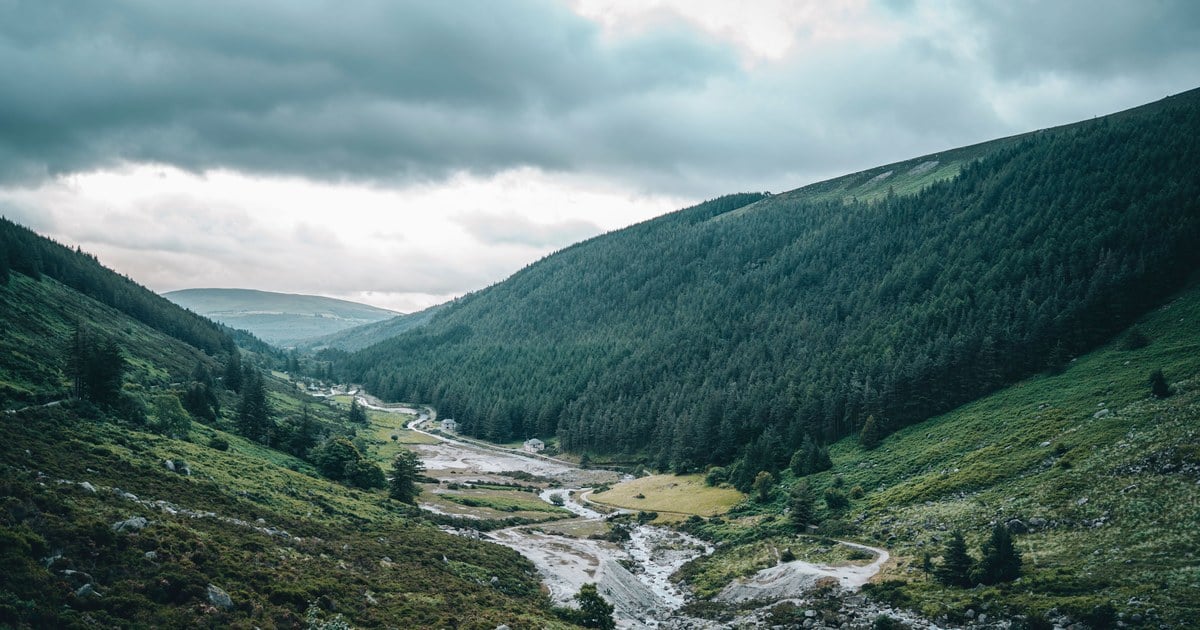
Wicklow works as a day trip from Dublin or as a base for exploring the south-east of Ireland. If you have one day, focus on Glendalough and the Sally Gap drive. If you have two days, add Powerscourt, the Wicklow Way, and Brittas Bay. Three days lets you cover almost everything in this guide.
The best months to visit are May to September. July and August are warm but busy. May and September offer fewer crowds and gentler light. The mountains are walkable year-round but winter weather can be severe above 400 metres. Also explore the best things to do in Galway for another unmissable county. And don’t miss Ireland’s finest abbeys and cathedrals for more historic sites like those at Glendalough.
Frequently Asked Questions About Wicklow
What is the best thing to do in Wicklow for a day trip from Dublin?
Glendalough is the top choice for a single-day trip from Dublin. Combine it with the Sally Gap drive for a full day that covers ancient history and dramatic mountain scenery. St Kevin’s Bus runs directly from Dublin city centre.
How long do you need in County Wicklow?
Two full days covers the main highlights including Glendalough, Powerscourt, and Brittas Bay. Three days allows you to include the Wicklow Way, the Vale of Avoca, and Wicklow town without feeling rushed. A single day is enough for Glendalough alone.
Is Wicklow worth visiting for Americans planning an Ireland trip?
Yes — Wicklow is one of the most rewarding counties in Ireland for US visitors. Glendalough is comparable in scale and atmosphere to anything in Kerry or Clare, yet far less crowded. The mountains, coastline, and heritage sites cover every reason most Americans visit Ireland in the first place.
📲 Know someone who’d love this? Share on WhatsApp →
Free forever · · Unsubscribe anytime
Tours & experiences you might love


Powered by Viator. Some links are affiliate links — we may earn a small commission at no extra cost to you.
Secure Your Dream Irish Experience Before It’s Gone!
Planning a trip to Ireland? Don’t let sold-out tours or packed attractions spoil your journey. Iconic experiences like visiting the Cliffs of Moher, exploring the Rock of Cashel, or enjoying a guided walk through Ireland’s ancient past often sell out quickly—especially during peak travel seasons.

Booking in advance guarantees your place and ensures you can fully immerse yourself in the rich culture and breathtaking scenery without stress or disappointment. You’ll also free up time to explore Ireland’s hidden gems and savour those authentic moments that make your trip truly special.
Make the most of your journey—start planning today and secure those must-do experiences before they’re gone!
Subscribe Free