

Ask people in Ireland about winter mornings and many will mention a pot on the stove. A bowl of porridge was the first meal of the day in countless Irish homes. It was cheap, filling and warm. It also tasted of home.
What’s the best Irish dish of all time? ☘️
Vote in our Best Irish Food poll — recipes nominated by the community.
What’s your Irish county’s signature dish? ☘️
Different counties claim different dishes — Your County’s Signature Food tells you which one your county is known for, with a short story behind it.
This guide explains what Irish porridge is, where it comes from and how to make it well. It also covers the oats to buy and a few ways to serve it.
Why Porridge Matters in Irish Homes
Oats grow well in Ireland. The climate is cool and damp, and oats cope with that better than wheat. For centuries, oats were a main crop for ordinary families, and oatmeal was a basic part of the diet.
Porridge fed whole households. It cost little, it kept people full through a morning of farm work or a walk to school, and it needed only oats, water and salt. Many older Irish people still remember a bowl on the table before they left the house.
That memory is part of why the dish still feels special. It is not fancy food. It is the food of cold mornings, school bags and a kitchen with the range lit. It sat alongside, and later behind, the full Irish breakfast as the everyday start to the day.
What Is Traditional Irish Porridge?
☘️ Join 64,000+ Ireland Lovers
Every weekday morning, get Ireland’s hidden gems, local secrets, and travel inspiration — the kind you won’t find in any guidebook.
Subscribe free — enter your email:
Already subscribed? Download your free Ireland guide (PDF)
📲 Know someone who’d love this? Share on WhatsApp →
Free forever · Unsubscribe anytime
Traditional Irish porridge is made from oats, water and a pinch of salt. Milk is added at the table, along with sugar or honey if you like. Nothing else is needed.
The key is the type of oat. Irish porridge is usually made with steel-cut oats, also called pinhead oats. These are whole oat grains cut into small pieces rather than rolled flat. They take longer to cook, but the texture is chewy and nutty rather than mushy.
Many Irish cooks stir with a wooden spoon, sometimes called a spurtle in Scotland. In Ireland the habit of stirring clockwise, or “sunwise”, was often passed down. Whether or not you follow the old custom, steady stirring does stop lumps forming.
The Oats to Look For
There are three main types you will see in shops in Ireland and the UK.
- Steel-cut (pinhead) oats: the traditional choice. Chewy, with a deeper flavour. They take about 20 to 30 minutes.
- Rolled oats: flattened and steamed. They cook in around 5 to 10 minutes and give a softer, creamier bowl.
- Instant oats: thin and finely cut. They are fast but can turn gluey.
Irish brands are easy to find in supermarkets and good for visitors to bring home. Look for packs that list oats as the only ingredient. If you cannot eat gluten, check the label for a gluten-free mark. Oats are often processed alongside wheat, so ordinary packs are not safe for coeliacs.
How to Make Irish Porridge: Step by Step
This recipe makes two generous bowls.
You will need:
- 100g steel-cut oats (or 80g rolled oats)
- 500ml water (use 350ml for rolled oats, then add milk)
- A good pinch of salt
- Milk, to serve
Method:
- Put the water in a heavy saucepan and bring it to the boil.
- Add the salt, then sprinkle in the oats slowly while stirring.
- Turn the heat down to a gentle simmer.
- Cook, stirring often, for 20 to 30 minutes for steel-cut oats, or 5 to 8 minutes for rolled oats.
- Add a splash more water if it gets too thick.
- Take it off the heat when the oats are soft but still have a little bite.
- Leave it for a minute, then spoon it into warm bowls.
Warming the bowls first is a small habit that makes a real difference on a cold morning. Just pour in hot water for a minute, then tip it out.
Tips for a Better Bowl
- Soak overnight. Steel-cut oats soaked in water overnight cook in about ten minutes the next day.
- Salt early. Adding salt at the start brings out the flavour of the oats. It is the one ingredient people most often skip.
- Stir, but not constantly. Frequent stirring helps keep the porridge smooth. Constant stirring can make it gluey.
- Use a heavy pan. Thin pans catch and burn on the bottom.
- Let it rest. Porridge thickens as it sits, so take it off just before it looks done.
How the Irish Serve Porridge
At home, the classic way is simple. Pour cold milk over the top, or a little cream if it is a treat. Add a spoon of brown sugar, honey or golden syrup.
Some families like it with a pat of butter melting in the middle. Others put a pinch of salt on top and no sugar at all. Many people remember the “well” method, where you make a small dip in the centre, fill it with milk and eat from the edges inwards.
Modern toppings are popular too. You can try:
- Sliced banana or stewed apple
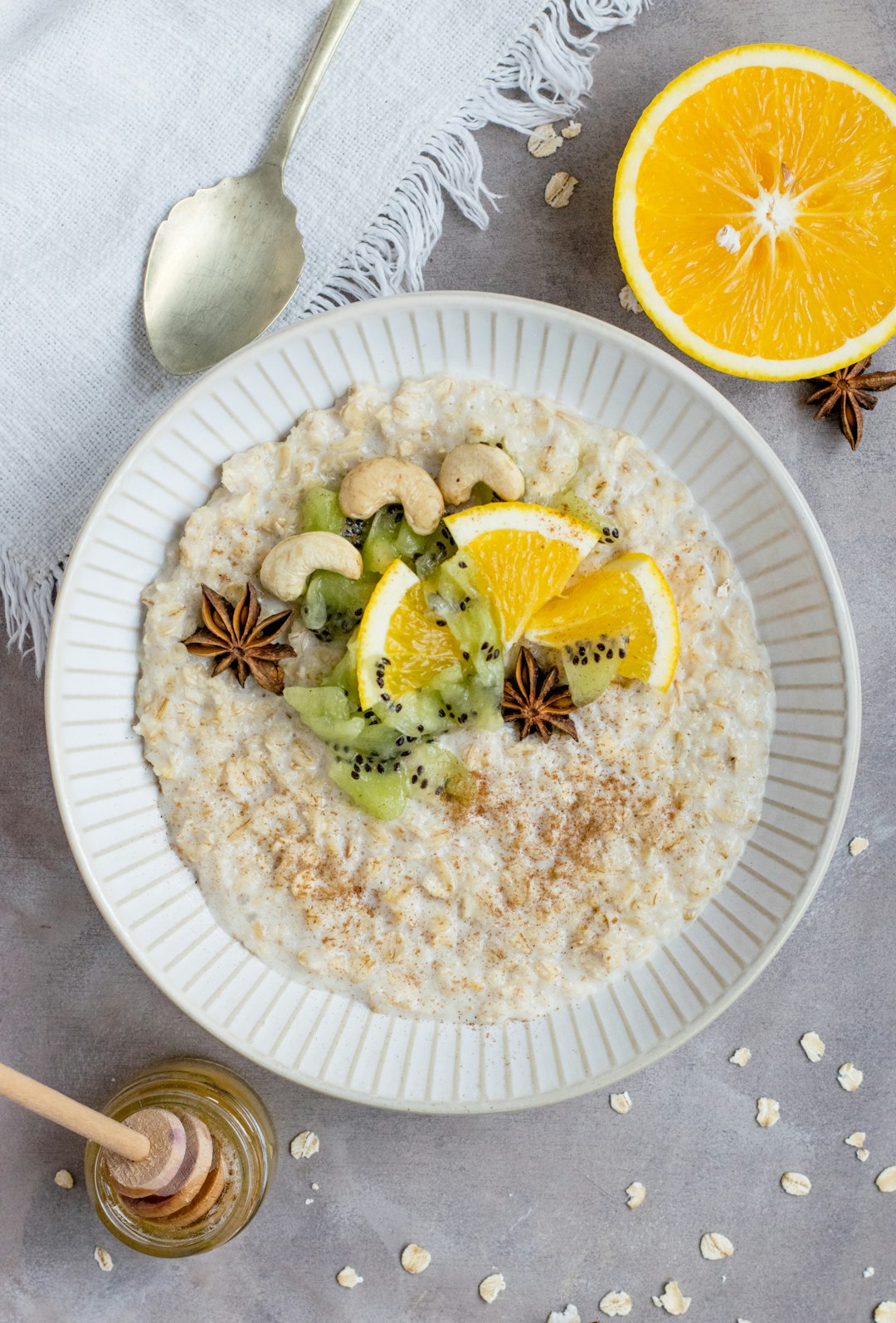
- Fresh berries, as in the photo above
- A spoon of Irish honey
- A sprinkle of cinnamon
- A small measure of whiskey cream for a weekend treat, for adults only
Porridge as a Healthy Start
Oats are a source of fibre, including beta-glucan, which is linked to heart health. A bowl of porridge also releases energy slowly, which is why it keeps people full until lunch. That was useful for school children and farm workers alike.
If you add lots of sugar, the benefits fall. A little honey or fruit is a better choice. If you watch your health closely, check with your doctor about what suits you.
Where to Eat Porridge in Ireland
You do not need to cook it yourself on a trip. Porridge is on the menu at many hotels and guesthouses across Ireland. Most B&Bs offer it alongside a full Irish breakfast. It is often served with cream, honey, brown sugar, or a splash of Irish whiskey on the more indulgent menus.
A few practical points for visitors:
- Ask if the porridge is made with water or milk. Both are common.
- Ask for it with toppings on the side if you want to control the sugar.
- Check the oats are gluten-free if you need that.
- Many cafés now offer porridge made with plant-based milks.
Look out for porridge in small-town cafés too. In cold months, it is often cheaper than other breakfast dishes and far more filling.
Love Irish food and traditions? Subscribe to our free newsletter for more.
Bringing the Memory Home
Porridge sits in a special place in Irish memory because of what came with it. There was the sound of the spoon against the pot, the steam on the window and someone in the kitchen before everyone else. Many people say that is what they miss most.
If you want to bring a little of that into your own home, start with a simple pot on a cold morning. You do not need fancy equipment. Use good oats, add a pinch of salt and take your time. Then sit down together if you can.
It is also a lovely thing to teach children. Letting them stir, add the salt or pick the toppings gives them a small part of the tradition. They may well be the ones making it for you one day.
A Few Questions Answered
Is porridge the same as oatmeal? Mostly, yes. In Ireland and the UK, porridge is the cooked dish, while oatmeal often means the ground oats. In the US the cooked dish is also called oatmeal.
Can I make it with milk? Yes. Using milk gives a creamier bowl. Heat it gently and stir often, as milk catches on the pan more easily than water.
Can I make it in the microwave? Yes, with rolled oats. Cook in a large bowl for 2 to 3 minutes, stirring halfway. Watch it, as it can bubble over.
How long does it keep? Cooked porridge keeps for about three days in the fridge. Add a splash of water or milk when you reheat it.
Get more Irish recipes and stories. Join our newsletter, free.
Share Your Porridge Story
Who made the porridge in your house? Was it a parent, a grandparent or a neighbour? Did you eat it with sugar, salt or a little cream? These small details are what keep a tradition alive.
If you have a family way of making it, write it down. It may be the only record of that kitchen habit your family ever has.
Never miss a story from Ireland. Subscribe to the Love Ireland newsletter.
Photo: Brooke Lark on Unsplash
Tours & experiences you might love


Powered by Viator. Some links are affiliate links — we may earn a small commission at no extra cost to you.
Secure Your Dream Irish Experience Before It’s Gone!
Planning a trip to Ireland? Don’t let sold-out tours or packed attractions spoil your journey. Iconic experiences like visiting the Cliffs of Moher, exploring the Rock of Cashel, or enjoying a guided walk through Ireland’s ancient past often sell out quickly—especially during peak travel seasons.

Booking in advance guarantees your place and ensures you can fully immerse yourself in the rich culture and breathtaking scenery without stress or disappointment. You’ll also free up time to explore Ireland’s hidden gems and savour those authentic moments that make your trip truly special.
Make the most of your journey—start planning today and secure those must-do experiences before they’re gone!