

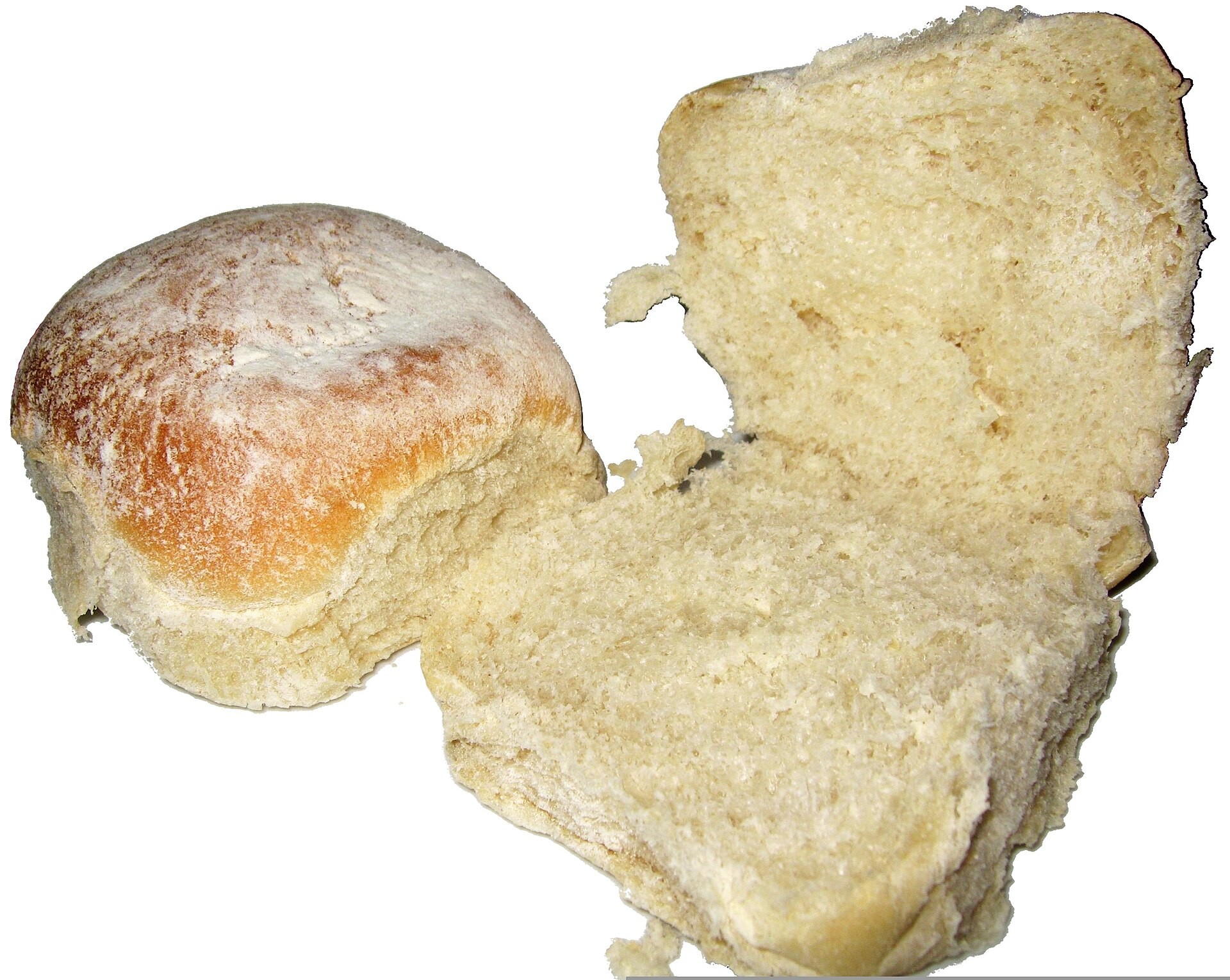
On 7 November 2013, the European Commission signed a regulation that put a soft, flour-dusted bread roll on its official register. Since then, a roll made outside the Waterford area cannot be sold as a Waterford blaa. Here is the story behind the roll, who asked for that protection, and how to bake a batch in your own kitchen.
A bread roll with its own EU entry
The regulation is short. Commission Implementing Regulation (EU) No 1164/2013, dated 7 November 2013, enters the name “Waterford Blaa” / “Blaa” in the register of protected designations of origin and protected geographical indications, after Ireland’s application was published and no one objected. It is listed as a PGI, a Protected Geographical Indication.
FoodNavigator, reporting the news that month, explained what a PGI means in practice. The scheme covers foods “closely linked to the geographical area”, and at least one stage of production, processing or preparation has to take place there. The ruling means similar products made outside the Waterford area cannot be sold as Waterford blaa. FoodNavigator put the blaa in the company of the Cornish pasty.
Huguenots and a cheap, simple roll
Where did it come from? The same report says the history of the bread dates back to the Huguenots, the French Protestant refugees, in the 17th century. It quotes one producer, M&D Bakery, on why it lasted: “The simplicity of the basic ingredients of the blaa made it cheap and popular with the local population.”
We cover the name and the Huguenot link in our own Waterford blaas recipe, where Chris from The Irish Baker Abroad bakes them step by step.
The four bakeries that asked for it
A single company cannot apply for protected status, so the blaa went in through an association. The Waterford Blaa Bakers Association came together in 2009 for this one purpose. Its members, all largely family-run, were M&D Bakery, Hickey’s Bakery, Kilmacow Bakery and Barron’s Bakery.
Dermot Walsh, one of the two directors of M&D Bakery, told BakeryandSnacks.com they wanted “to protect what we had”, and did not want to be pushed out by larger companies. He said the local bakery trade had been shrinking because of “the onslaught of frozen doughs and changes in habits”, and called the blaa a very niche product, made on a relatively small scale. At the time M&D had begun freezing its bread and sending it to a few small outlets in Paris.
What you will taste in Waterford
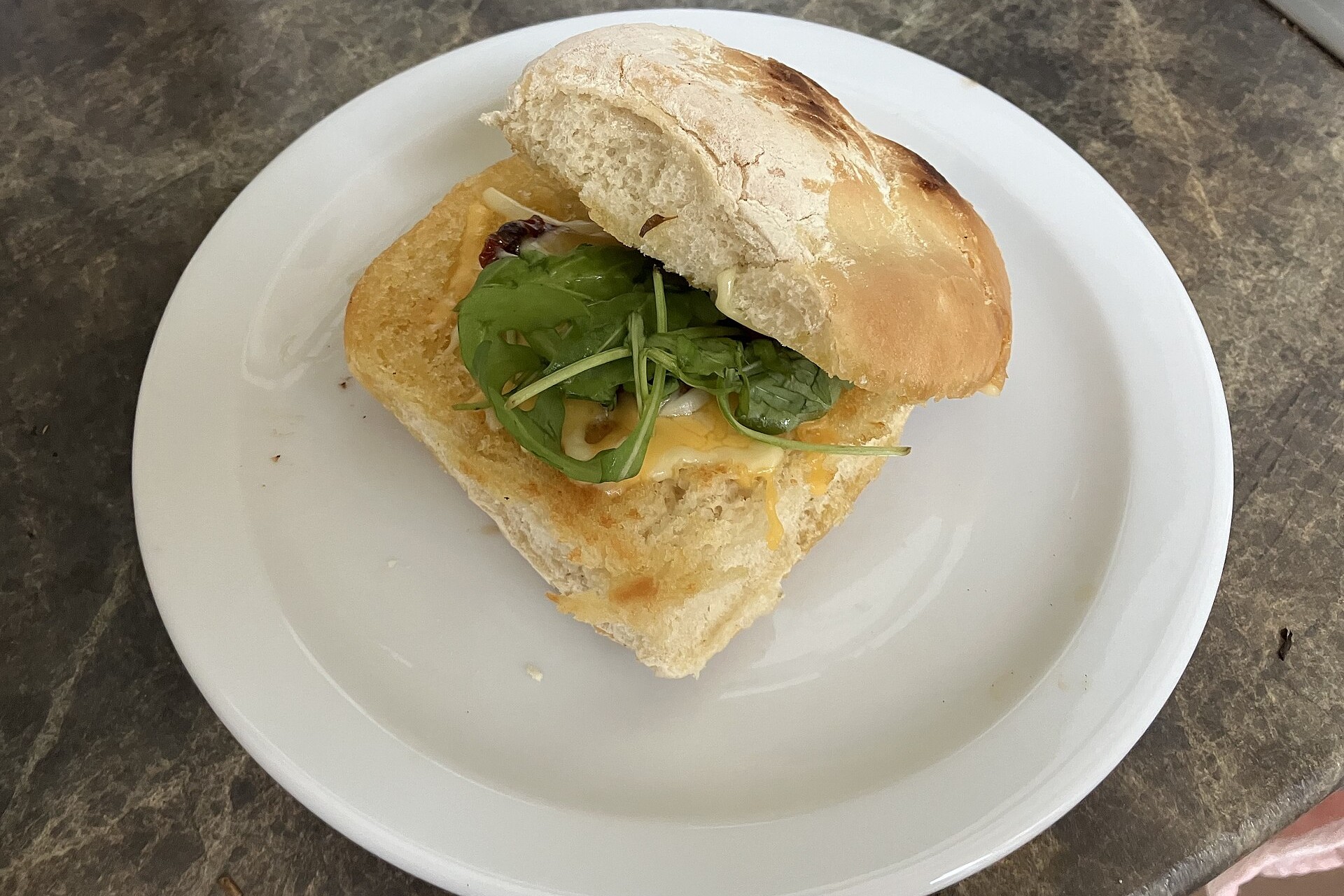
A blaa is pale and floury, soft inside, and eaten fresh. In Waterford it is the roll for a breakfast sandwich, and our full Irish breakfast story shows what usually goes in it. If you are planning a trip, our guides to the best things to do in Waterford, County Waterford and Ireland’s best foodie towns will help you build a day around it.
Cook the real Irish classics at home ☘️
Get our free guide, 10 Real Irish Recipes: the dishes Irish families actually cook, written the way Granny made them.
How to make Waterford-style blaas (makes 12)
This is Chris’s method from our full blaa recipe, shortened. Only bakers in the Waterford area can call their rolls a blaa, so think of yours as blaa-style. The dough is deliberately wet, and the flour goes on the outside of the roll, never worked into it.
Ingredients
- 500 g strong white bread flour, plus extra for dusting
- 10 g fresh yeast (or 5 g active dry yeast, dissolved in a little warm water)
- 300 ml water
- 8 g salt (about 1 teaspoon)
- 5 g caster sugar (about 1 teaspoon)
- 5 g vegetable oil (about 1 teaspoon)
Method
- Crumble the yeast into a bowl with a splash of the water and the sugar. Stir, then leave for 5 minutes until frothy.
- Put the flour in a large bowl. Add the frothy yeast, the rest of the water, the salt and the oil. Mix by hand to a rough, sticky dough.
- Turn onto a floured surface and knead for 10 to 15 minutes, using a scraper. Keep the flour on the surface, not in the dough.
- Put the dough in a lightly oiled bowl, cover tightly and leave somewhere warm for 1 to 2 hours, until doubled.
- Divide into 12 pieces. Press each into a flat disc about 10 to 12 cm across, pressing it into the flour on the surface rather than rolling it.
- Place on a lined tray with gaps between them, dust the tops generously with flour, cover loosely and prove for 30 to 45 minutes.
- Heat the oven to 220°C (200°C fan). Bake for 10 to 12 minutes, until the tops are pale gold, not brown.
- Cool a little, split and fill. Butter, bacon and sausage is the classic breakfast filling.
Have you ever eaten a blaa in Waterford, and what was in yours?
Sources
- Only in Waterford: Blaa bread granted EU protection, FoodNavigator, 28 November 2013
- Commission Implementing Regulation (EU) No 1164/2013, Official Journal of the European Union, 19 November 2013
- How to Make Waterford Blaas, Love Ireland (Chris, The Irish Baker Abroad)
Checked November 2026.
Secure Your Dream Irish Experience Before It’s Gone!
Planning a trip to Ireland? Don’t let sold-out tours or packed attractions spoil your journey. Iconic experiences like visiting the Cliffs of Moher, exploring the Rock of Cashel, or enjoying a guided walk through Ireland’s ancient past often sell out quickly—especially during peak travel seasons.

Booking in advance guarantees your place and ensures you can fully immerse yourself in the rich culture and breathtaking scenery without stress or disappointment. You’ll also free up time to explore Ireland’s hidden gems and savour those authentic moments that make your trip truly special.
Make the most of your journey—start planning today and secure those must-do experiences before they’re gone!