

Before sunrise on the first of May, farmhouses across Ireland fell into a particular kind of quiet. Cows were checked. Gates were bolted. And no one — not a neighbour, not a visitor, not even a close friend — was allowed to take anything from the property.
The reason was older than anyone could say. And in parts of rural Ireland, people still feel it.
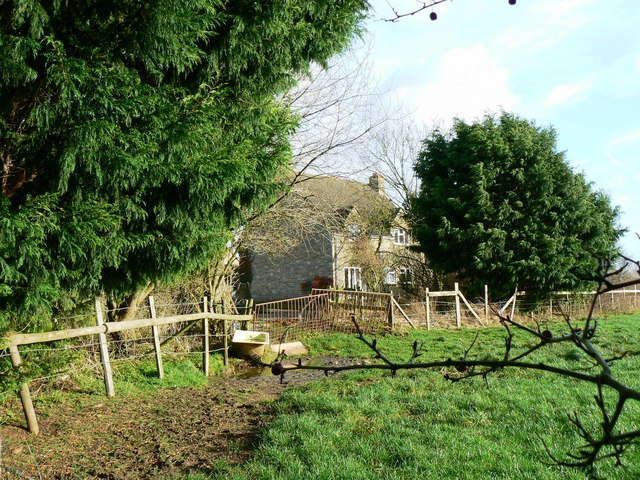
The Butter Was Everything
In pre-industrial Ireland, butter was more than food. It was currency, medicine, and survival. A good cow meant a family ate through winter. A failing cow meant real hunger.
Every spring, farmers watched their cattle’s milk yield closely. Too little milk. Too thick cream. Butter that wouldn’t come no matter how long you worked the churn.
These weren’t just disappointments. They were signs. Someone, people said, had taken the butter.
How the Stealing Worked
The practice had a name: “taking the butter” or “taking the profit of the milk.” A person — almost always a woman in the old accounts — could transfer the yield from a neighbour’s herd to her own through a series of ritual acts.
The most common method was performed before dawn on May morning. She would walk the boundary of a neighbour’s land, trailing a súgán rope through the dew-soaked grass, murmuring words that called the fertility of the land into the rope. She’d take the rope home, hang it in her own byre, and her cows would give the milk that should have gone to her neighbour.
Other methods were simpler. Taking fire from a neighbour’s hearth on May morning. Borrowing milk before sunrise and never returning the vessel. Even a stranger asking to taste your fresh butter before you’d churned it yourself was deeply suspect.
These beliefs weren’t fringe superstitions. They are documented in medieval Irish law texts, in Church penitentials, and in official diocesan records. In 1685, one Irish diocese issued written instructions on how priests should handle accusations of butter theft between parishioners. The Church’s involvement tells you how seriously the community took it.
☘️ Enjoying this? 64,000+ Ireland lovers get stories like this every week. Subscribe free →
How Farmers Fought Back
Rural communities didn’t accept this quietly. Knowledge of the threat had travelled alongside the threat itself, and protective rituals were just as elaborate as the stealing ones.
On May Eve, byre doors were hung with rowan branches. Yellow flowers — primroses and buttercups, the colours of butter and gold — were woven into wreaths above the cattle shed door. Iron was pressed into the earth near the threshold. The hearth fire was kept burning through the night without interruption.
And most importantly: you gave nothing away. Not a cup of milk. Not a handful of salt. Not a single ember from your fire. Refusing to share on May morning wasn’t rudeness — it was protection.
The iron rule was simple. Whatever left your farm before sunrise could carry your luck with it.
What It Did to Neighbours
This belief lived most intensely in the space between farms. The person most often suspected was never a stranger. She was someone you knew. The neighbour whose cows had done well when yours had not. The woman who always seemed to have butter to spare.
This created a particular kind of unease in rural townlands. Suspicion without accusation. Watchfulness without words. Folklorists collecting stories in Connaught and Munster in the early 20th century recorded accounts of families who stopped speaking for years over a bad May.
One Connaught account describes a woman being brought before her community and compelled — through a ritual combining prayer and confrontation — to return what she had taken. The local bean feasa, the wise woman who understood such things, could often identify the source of the theft and prescribe the remedy. You can read more about the piseog tradition and the belief in magical harm that ran through rural Irish life.
Where the Fear Came From
The belief connects to something much older than formal religion. Bealtaine — May Day — was the pivot point of the Celtic year. The day cattle went to summer pasture. The day the world turned from its dark half to its light half.
The boundary between the natural world and the supernatural one was thought thinnest at Bealtaine. That thinness could be exploited. And the stakes — who would have food through the coming year and who would not — were as high as they could be.
You’ll find this same tension in the great Bealtaine fire festivals that marked the same night across every hill in Ireland. Both the fire and the butter fear came from the same understanding: that at the hinge of the year, the world was permeable, and you needed to be ready.
The butter-stealing belief is found across the entire Celtic world — in Scotland and Wales as well as Ireland. It was not local or isolated. It was a shared understanding of how the world worked, held across generations and across borders.
Still There, If You Know Where to Look
The farmhouses are different now. The byres have changed. Most of the rituals have faded without a trace.
But the instinct behind them — that your neighbour’s luck is somehow connected to yours, that abundance in one place might mean scarcity in another — that part has never quite disappeared from Irish rural thinking.
If you walk a boreen in the west of Ireland on the first morning of May and find yellow flowers tied to a gate, or a rowan branch pressed above a shed door, you’ll know exactly what season it is. And you’ll know not to ask for anything.
If you’re planning a trip to Ireland, start here for everything you need to know about exploring the island’s rich traditions and hidden heritage.
☘️ You Might Also Love
Tours & experiences you might love


Powered by Viator. Some links are affiliate links — we may earn a small commission at no extra cost to you.
Secure Your Dream Irish Experience Before It’s Gone!
Planning a trip to Ireland? Don’t let sold-out tours or packed attractions spoil your journey. Iconic experiences like visiting the Cliffs of Moher, exploring the Rock of Cashel, or enjoying a guided walk through Ireland’s ancient past often sell out quickly—especially during peak travel seasons.

Booking in advance guarantees your place and ensures you can fully immerse yourself in the rich culture and breathtaking scenery without stress or disappointment. You’ll also free up time to explore Ireland’s hidden gems and savour those authentic moments that make your trip truly special.
Make the most of your journey—start planning today and secure those must-do experiences before they’re gone!