

On the last night of April, something ancient stirs. For thousands of years before anyone had heard of St Patrick’s Day, Irish families climbed hilltops, lit enormous bonfires, and drove their cattle through the smoke. They were welcoming summer. They called it Bealtaine — and its fire still burns.
What Bealtaine Actually Was
The ancient Irish year had two halves: a dark half beginning at Samhain on 1 November, and a bright half beginning at Bealtaine on 1 May. These were not just seasons. They were thresholds — dangerous, electric moments when the boundary between the everyday world and something older grew very thin.
Bealtaine was one of four great Celtic fire festivals. The others were Imbolc on 1 February, Lúnasa on 1 August, and Samhain. Each marked a turning point. But Bealtaine was the brightest of all. The word comes from Old Irish and means “bright fire” — or, in some interpretations, the fire of an ancient deity.
This was the night you would not want to be caught without flame.
The Hilltop Bonfires
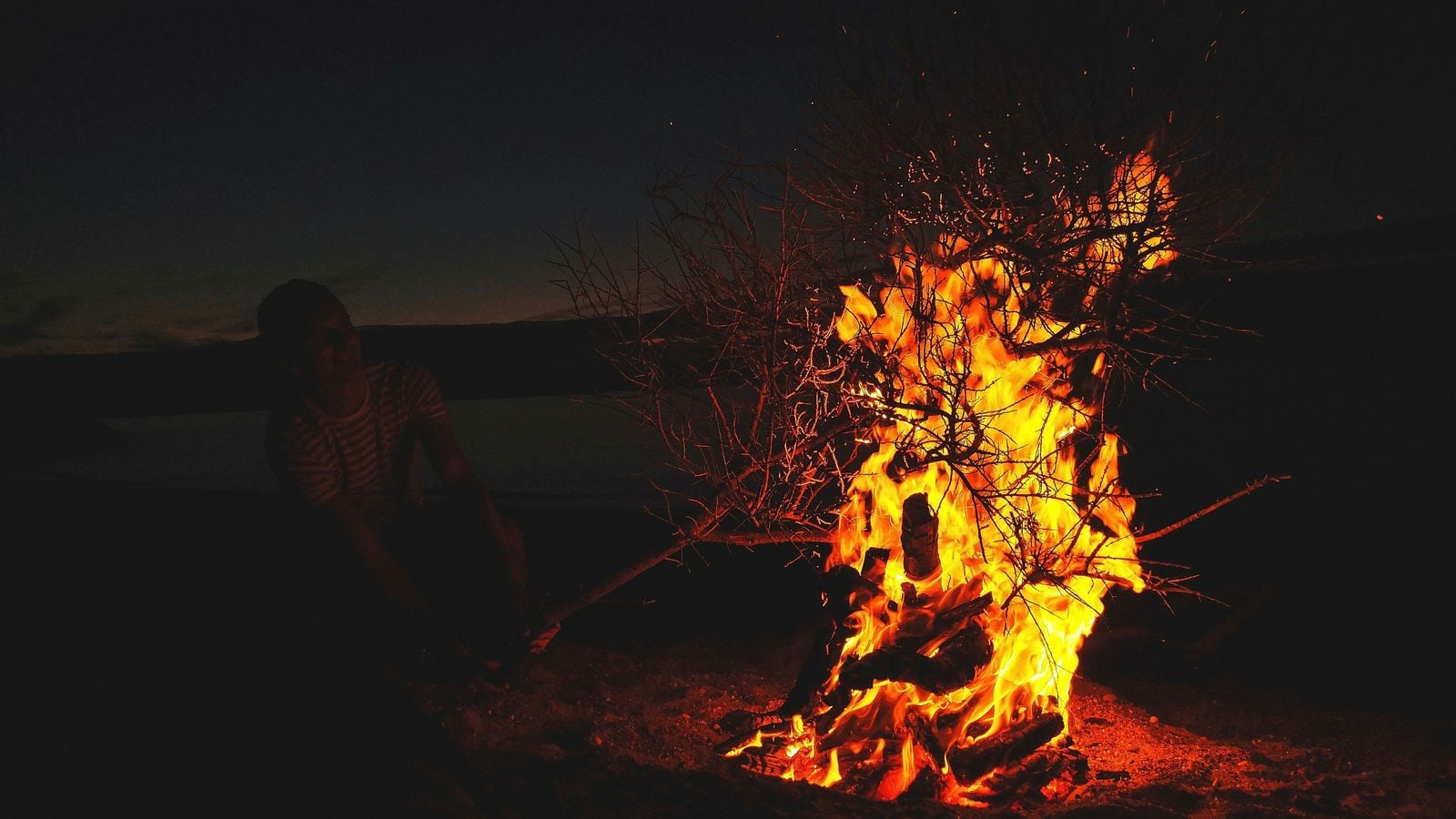
Every community lit its own bonfire at sunset on 30 April — the eve of Bealtaine. The Celtic day began at dusk, so the new season started with fire rather than dawn. In many areas, two fires were lit side by side, and cattle were driven between them. The smoke was believed to protect the animals from disease through the grazing season ahead.
Once the communal bonfire blazed, families extinguished their hearth fires at home. Then they carried a burning branch back from the hilltop to relight them. This simple act meant the whole townland shared one fire — the same flame, passed to every hearth in the parish. It was a renewal.
Extinguishing your fire and failing to relight it from the communal bonfire was considered deeply bad luck. In some traditions, the last household to collect their flame faced whispers for months.
The May Bush and the Hawthorn
The hawthorn tree — known as the May tree — is the sacred plant of Bealtaine. It typically comes into bloom around 1 May, its white flowers appearing as if on cue. For the Irish, this was no coincidence.
Families cut a branch of hawthorn and brought it home. They decorated it with ribbons, yellow flowers, and bright things. Yellow was the colour of Bealtaine — the colour of the returning sun, of gorse blazing on the hillsides, of primroses in the hedgerows. The decorated May bush sat outside the door, welcoming summer into the home.
Cutting down a lone hawthorn tree at any other time of year was considered extremely bad luck — something many rural Irish people still believe today. Lone hawthorns standing in the middle of fields across Ireland are still left untouched by farmers. The machines go around them.
Protecting the Milk — and the House
Bealtaine was a threshold time, and thresholds were dangerous. Spirits were abroad. Neighbours who knew about piseógs — old Irish curses — might try to steal the luck of your farm during the unguarded hours.
Butter and milk were especially vulnerable. A woman who churned on Bealtaine morning and found nothing would come could suspect someone had pulled her luck away. To protect the household, people hung rowan branches and yellow flowers above the door. Primroses were scattered on the threshold — it was believed spirits could not cross a path strewn with May flowers.
Coals from the Bealtaine bonfire were placed in the byre to protect the cows. Wells were visited before sunrise. The first person to draw water on Bealtaine morning was thought to take the luck of the well for the whole year.
☘️ Enjoying this? 64,000+ Ireland lovers get stories like this every week. Subscribe free →
Bealtaine at Uisneach — The Fire That Still Burns
The most significant Bealtaine fire in ancient Ireland was lit at the Hill of Uisneach in County Westmeath — believed to be the sacred centre of Ireland, the mythological meeting point of its five ancient provinces. It was said that from Uisneach you could see all five at once.
The high kings of Ireland were associated with this site, and the fire lit here was the symbolic fire of the entire island. Today, the Festival of Bealtaine at Uisneach is celebrated every May — drawing thousands to witness the bonfire lit on the same ancient hill. It is one of the few places in Ireland where you can step into a ceremony with roots thousands of years deep.
Bealtaine Lives On
You do not need to travel to Uisneach to feel it. Many Irish people still pick May flowers on 1 May. Some leave a small bunch at the doorstep. In rural areas, farmers still treat the lone hawthorn with quiet respect — not superstition exactly, but something passed down through generations without a name.
The Bealtaine Festival — a month-long arts celebration for older people — takes its name directly from the May tradition and runs through the whole of May across Ireland.
If you are planning a trip to Ireland, early May is extraordinary. The countryside is at its greenest, the hedgerows foam with white hawthorn blossom, and the evenings stretch long toward summer. If you have ever wondered why Ireland feels so alive in May, now you know.
Bealtaine is proof that the Irish have always known how to mark the moments that matter. Long before calendars or clocks, they stood on hilltops and watched for the light. They lit the fire to call the summer in. Some things, it turns out, are worth holding onto.
☘️ You Might Also Love
Tours & experiences you might love


Powered by Viator. Some links are affiliate links — we may earn a small commission at no extra cost to you.
Secure Your Dream Irish Experience Before It’s Gone!
Planning a trip to Ireland? Don’t let sold-out tours or packed attractions spoil your journey. Iconic experiences like visiting the Cliffs of Moher, exploring the Rock of Cashel, or enjoying a guided walk through Ireland’s ancient past often sell out quickly—especially during peak travel seasons.

Booking in advance guarantees your place and ensures you can fully immerse yourself in the rich culture and breathtaking scenery without stress or disappointment. You’ll also free up time to explore Ireland’s hidden gems and savour those authentic moments that make your trip truly special.
Make the most of your journey—start planning today and secure those must-do experiences before they’re gone!