

In much of rural Ireland, for most of its history, there was no licensed pub within walking distance. What communities did instead became one of the most quietly revolutionary traditions in Irish life — hidden in plain sight for three centuries, and almost never spoken of to outsiders.
It was called a sheebeen.
The Meaning Behind the Name
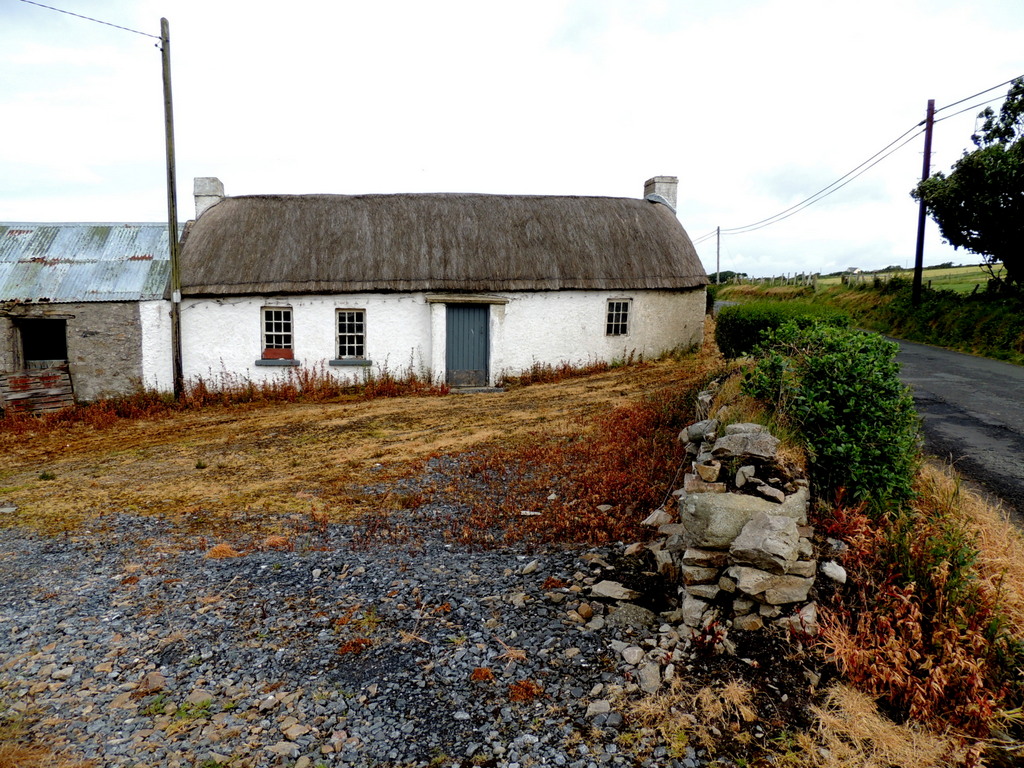
The word comes from the Irish síbín, meaning a small mug or a measure of spirits. A sheebeen was an unlicensed, unofficial drinking house — usually operating from someone’s front room, kitchen, or outbuilding. No sign above the door. No licence on the wall. Just word of mouth and a fire that never seemed to go cold.
They existed across rural Ireland from at least the seventeenth century, in areas too remote and too small for a licensed premises. They were especially common in Connacht and Munster — in long stretches of countryside where the nearest town might be a full day’s walk away.
The sheebeen was never advertised. Everyone knew where it was. That was simply how it worked.
Who Ran a Sheebeen — and Why
The operator was often a widow, an older woman living alone, or a family in financial difficulty. Running one was a practical decision as much as a social one. Customers paid for spirits — usually poitín, the illicitly distilled Irish moonshine, or sometimes smuggled imports — and the host kept a modest profit.
Payment was rarely formal. Coins would be left on the table without a word. A man might give twice the going rate and never expect change. The whole arrangement had the feel of a kindness being returned, rather than a commercial transaction.
The risks were real. Operating without a licence was a criminal offence under British licensing law, and raids did happen. But the penalties were usually light, and the community understood that the sheebeen served a function the law simply hadn’t accounted for.
The Role of the Sheebeen in Rural Life
The sheebeen was never purely about drinking. It was the only gathering point in many townlands — the place where news travelled, where matches were quietly arranged, where a man could hear a song or tell a story without walking five miles to town.
Understanding the pub culture that Ireland is famous for today starts with knowing where it came from. The round-buying rituals, the unspoken codes of hospitality, the deep social importance of the shared drink — these didn’t begin in licensed premises. Many of them were born in the sheebeen, where community rules mattered more than any law.
The sheebeen was also a space where women held genuine authority. In a society that gave women few formal roles outside the home, the woman who ran a sheebeen was a figure of real standing. She set the tone. She decided who stayed and who left.
☘️ Enjoying this? 64,000+ Ireland lovers get stories like this every week. Subscribe free →
The Raid — and How Nobody Saw Anything
Authorities knew sheebeens existed. They raided them periodically. But the sheebeen rarely stayed caught.
A neighbour watching the lane would give a signal — a knock, a cough, a word passed along. The evidence would disappear behind a false wall, under the floorboards, or be carried out through the back field. By the time the constabulary arrived, there was nothing to find but an old woman by the fire and a few people talking about the weather.
The community protected the sheebeen, and the sheebeen protected the community. That arrangement held for generations.
The Sheebeen in Culture and Song
Ireland’s most famous literary sheebeen appears in J.M. Synge’s The Playboy of the Western World — a shebeen pub on the western coast where a stranger arrives with a wild story and the whole social order gets upended. Synge knew what he was writing about. He had spent years on the Aran Islands, watching real rural life unfold.
The sheebeen also runs through Irish ballads — songs about the moonshiner, the hidden still, the drink poured by firelight with one ear on the road. The defiance is always good-humoured. The community is always the point.
Today, some Irish pubs carry the word sheebeen in their name as a deliberate nod to this heritage. If you’re visiting County Kerry — where the Black Valley and surrounding hills were once full of places just like this — you’ll find a pub culture still shaped by the values that started in those front rooms: warmth, welcome, and no questions asked.
Before you visit, it’s worth planning your trip to Ireland carefully — there’s more to discover than most guidebooks ever mention.
For more on how these hidden houses actually worked day to day — and the wider history of the shebeen in Ireland — see The Irish Drinking Dens the Whole Village Pretended Not to Know About and Shebeens: Ireland’s Illegal Drinking Houses and Their History.
The sheebeen was illegal. It was also necessary. In a landscape where the state offered little and the nearest town was a long road away, someone always opened their door.
That instinct — to light the fire, put something on the table, and let people gather — is as Irish as the hills themselves. The licence was never the point. The welcome was.
☘️ You Might Also Love
☘️ Join 64,000+ Ireland Lovers
Every Friday, get Ireland’s hidden gems, local secrets, and travel inspiration — the kind you won’t find in any guidebook.
Free forever · · Unsubscribe anytime
Tours & experiences you might love


Powered by Viator. Some links are affiliate links — we may earn a small commission at no extra cost to you.
Secure Your Dream Irish Experience Before It’s Gone!
Planning a trip to Ireland? Don’t let sold-out tours or packed attractions spoil your journey. Iconic experiences like visiting the Cliffs of Moher, exploring the Rock of Cashel, or enjoying a guided walk through Ireland’s ancient past often sell out quickly—especially during peak travel seasons.

Booking in advance guarantees your place and ensures you can fully immerse yourself in the rich culture and breathtaking scenery without stress or disappointment. You’ll also free up time to explore Ireland’s hidden gems and savour those authentic moments that make your trip truly special.
Make the most of your journey—start planning today and secure those must-do experiences before they’re gone!
Subscribe Free