

Every September, a small spa town on the edge of the Burren begins doing something it has done for over 160 years. Thousands of strangers arrive. The dances run until midnight. And somewhere in a back room, a man with a well-worn leather book is taking quiet, careful notes.
This is Lisdoonvarna — and it is not quite like anywhere else in Ireland.
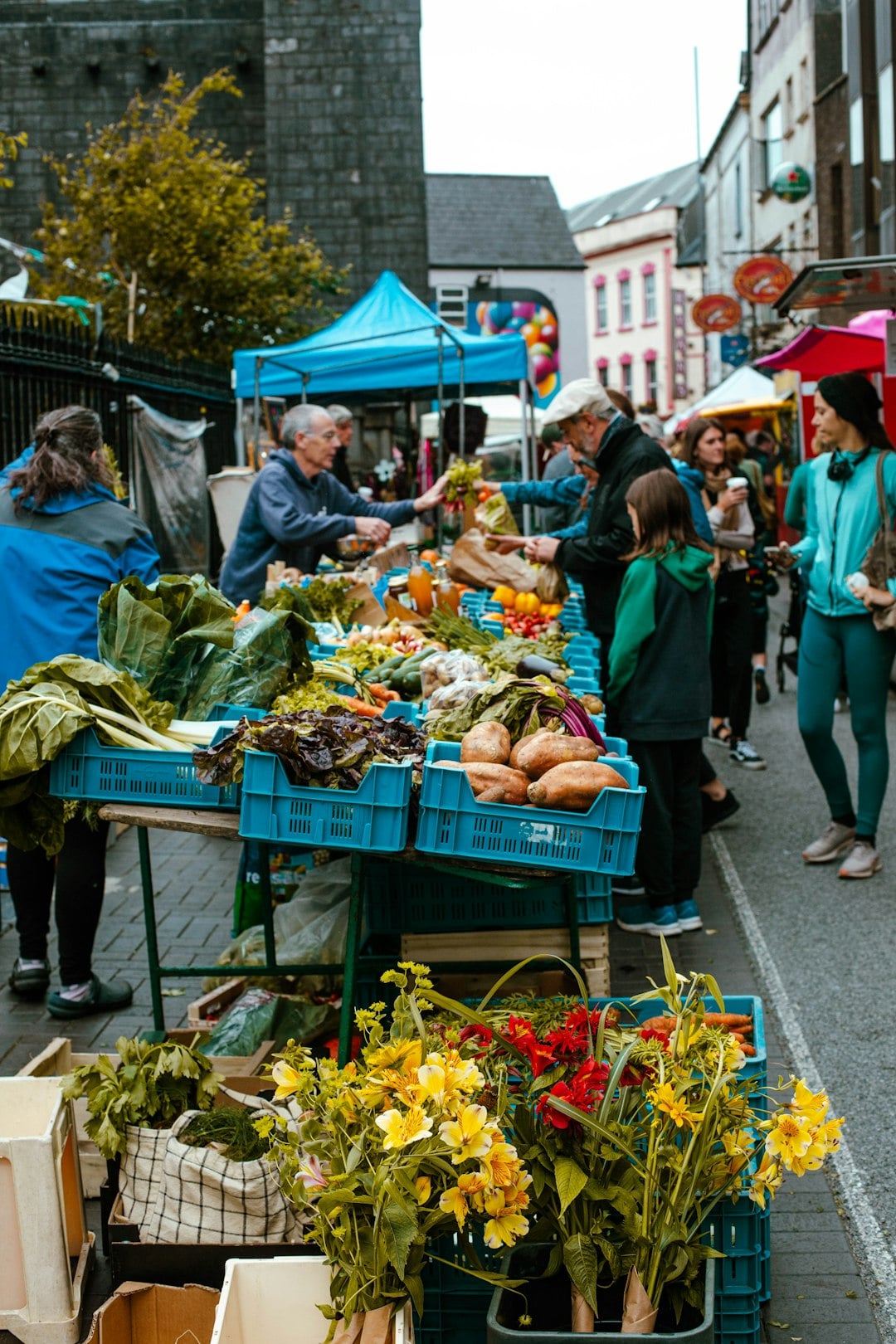
The Harvest That Started It All
Before matchmaking became a festival, it was a necessity.
September in rural Ireland meant the harvest was in. Fields were cleared, cattle were sold at fair, and farmers — many of them still single — had a rare pocket of free time and a little money in their pocket.
Lisdoonvarna already had a quiet reputation. The town sat above sulphur springs, and for centuries people came for the waters. By the mid-1800s, it had become the natural gathering point for post-harvest socialising across Munster and Connacht.
Farmers cleaned up, put on their Sunday clothes, and made the journey west. The sulphur baths were good for aching backs. The dances were good for everything else.
The Man With the Leather Book
Willie Daly is the fourth generation of his family to work as a professional matchmaker in Lisdoonvarna. He is, by his own count, responsible for thousands of matches over the decades.
He carries a leather ledger, worn soft with years of handling, filled with the names, descriptions, and preferences of people who are looking. A farmer from Roscommon. A widow from Tipperary. A returned emigrant from Chicago who never quite felt at home there.
Daly does not use algorithms. He reads people. He asks about land, family, temperament — what kind of life someone is hoping for. Then he makes a suggestion.
Some people think it sounds old-fashioned. Many of them end up in his book anyway.
☘️ Enjoying this? 64,000+ Ireland lovers get stories like this every week. Subscribe free →
What the Festival Actually Looks Like
The Lisdoonvarna Matchmaking Festival runs for the entire month of September. The town is small — a few thousand residents in ordinary times — but in September it swells considerably.
There are dances every afternoon and every evening. Céilí bands in one venue, live country music in another. Tables where strangers share drinks and talk for hours. Afternoon tea events offer a slower, more civilised chance to sit across from someone new without the pressure of a dance floor.
The festival now draws an estimated 60,000 visitors over the course of the month. Beyond the dances, the programme includes speed-dating nights, horse racing, and the light-hearted Mr Lisdoonvarna and Queen of the Burren competitions.
Nobody is under any obligation. Nobody has to do anything except show up and remain open to the possibility of something happening.
If you are planning a trip to the west of Ireland, the Ireland planning guide is the best place to start organising your visit around events like this.
Who Goes to Lisdoonvarna?
The festival started as a rural Irish tradition. It has grown into something far broader.
Visitors now arrive from every county in Ireland and from the Irish diaspora in America, Australia, and Britain. There are people in their 70s who have been coming since they were young. People in their 20s who came on a whim and stayed longer than they planned.
Since 2016, the festival has included a dedicated LGBTQ+ matchmaking weekend, drawing thousands who want exactly the same thing as everyone else: a real connection, made in person, in a place that takes the whole idea seriously.
Lisdoonvarna does not care where you are from. It just cares that you turned up.
Why It Still Works in an Age of Apps
There is something counterintuitive about Lisdoonvarna’s enduring appeal. You would expect a festival built on old-fashioned matchmaking to feel like a curiosity — a heritage event for people who enjoy nostalgia.
It does not feel that way at all. If anything, people come because it is different. No profiles to swipe through. No algorithms deciding who deserves your time. Just a town, a céilí band, and the kind of easy, low-stakes conversation that is genuinely difficult to find anywhere else.
It connects, in a strange way, to Ireland’s much older tradition of harvest fair matchmaking — the idea that community-organised pairing has deep roots here, long before dating apps existed.
The otherworldly landscape of the Burren stretches away behind the town — limestone pavements, wildflowers forcing themselves through every crack, silence in every direction. Lisdoonvarna sits right on the edge of that wildness. It turns out the west of Ireland is quite a good place to fall in love.
Going to Lisdoonvarna
The festival runs throughout September, and accommodation books up well in advance. The town is small, so most visitors stay in nearby Ennistymon, Doolin, or Lahinch — all within easy reach by car.
The matchmaker’s sessions are informal. You can walk in, have a conversation, and see what Willie Daly suggests. There is no registration, and entry to the town is free, though individual venues typically charge a modest cover fee for evening dances and live music.
It is also worth knowing that the tradition of women initiating in September goes back centuries in Ireland — Lisdoonvarna is, in many ways, the living heir to that spirit.
You just arrive. The rest, as Lisdoonvarna has always understood, tends to take care of itself.
Beyond the festival itself, you’ll find more things to do in County Clare within easy reach of Lisdoonvarna, from the Cliffs of Moher to the villages that ring the Burren.
September always comes around. And so does Lisdoonvarna. If you find yourself in County Clare as the harvest wind picks up, follow the music. Some of the people at those dances will have driven four hours to be there. Some will already know each other. And some are meeting for the very first time, in a town that has been making introductions for longer than anyone can quite remember.
☘️ You Might Also Love
Tours & experiences you might love


Powered by Viator. Some links are affiliate links — we may earn a small commission at no extra cost to you.
Secure Your Dream Irish Experience Before It’s Gone!
Planning a trip to Ireland? Don’t let sold-out tours or packed attractions spoil your journey. Iconic experiences like visiting the Cliffs of Moher, exploring the Rock of Cashel, or enjoying a guided walk through Ireland’s ancient past often sell out quickly—especially during peak travel seasons.

Booking in advance guarantees your place and ensures you can fully immerse yourself in the rich culture and breathtaking scenery without stress or disappointment. You’ll also free up time to explore Ireland’s hidden gems and savour those authentic moments that make your trip truly special.
Make the most of your journey—start planning today and secure those must-do experiences before they’re gone!
Subscribe Free