

Why Irish Pubs Are the Friendliest in Europe — and How to Make the Most of Them
In 2026, Condé Nast Traveller readers settled a debate that many visitors to Ireland had already quietly reached on their own. Ireland was voted the friendliest country in Europe, scoring 98.39 out of 100 — nudging ahead of Portugal and ending two consecutive years of coming in second place. It is a striking number, but anyone who has walked into an Irish pub alone on a Tuesday evening and walked out two hours later with three new acquaintances, a strong opinion on the local GAA team, and a standing invitation to a session the following night will tell you it is entirely believable. The Irish pub is not simply a place to drink. It is a social infrastructure — arguably the most effective one in Europe — and understanding how it works makes the difference between a pleasant enough pint and an evening you will still be talking about a decade from now.
The mechanism is deceptively simple. It begins with the question: “Where are you from yourself?” That word “yourself” is doing considerable work. It signals genuine curiosity rather than small talk, and it opens a conversational door that, in Ireland, tends to stay open. Within minutes a visitor can find themselves pulled into a round — the informal system of taking turns to buy drinks for the group — which is less about alcohol than about reciprocity and belonging. Joining a round is a tacit acceptance that you are, for this evening at least, part of something. The session, meanwhile, is a different animal again: traditional music played informally, often unannounced, where musicians drift in and take a seat near the fireplace or a corner stool, and the whole room reorganises itself around the sound. Nobody formally invites you to listen. You simply find yourself listening, and then you find yourself staying.
Then there is the publican. In a small Irish town, a good publican is something between a host, an archivist, and a social convenor. Return on your second night and there is a reasonable chance they will remember what you were drinking — and something about the conversation you had. This is not a performance of hospitality. It is a genuine extension of the tradition by which the pub served as the central meeting room of Irish rural life for generations, a function it has never entirely relinquished. The physical layout of the traditional Irish pub reinforces this: the long timber bar is designed for conversation between strangers in a way that booths and tables simply are not. When two people are standing or sitting at a bar, facing the same direction, eye contact is optional and conversation can begin and end without social awkwardness. It is, by design, the least threatening way to meet people that has ever been built.
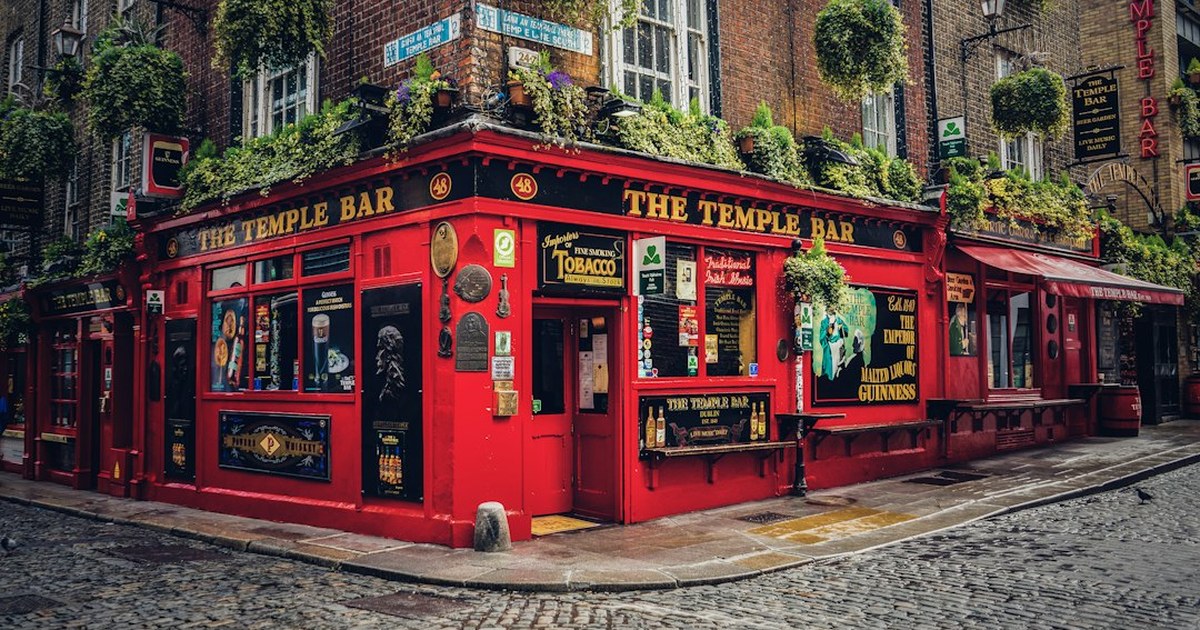
Knowing this changes how to approach a visit. The single most useful piece of advice for any traveller is to sit at the bar rather than retreating to a corner table with your phone. The corner table communicates that you want privacy; the bar communicates that you are open to whatever the evening brings. Midweek visits — Tuesday through Thursday — are also worth considering over weekends. At the weekend, particularly in city centres, Irish pubs fill with groups of people who already know each other, and the spontaneous cross-table conversation is harder to find. Midweek, the crowd is more local, the pace slower, and the publican has more time. Small-town and village pubs consistently outperform city-centre ones for exactly this kind of encounter. A market-town pub in Roscommon or a harbourside pub in a West Cork village operates on a different social register than a Temple Bar tourist trail; the welcome is no less warm, but it is considerably more unguarded.
Why It Matters Today
The Condé Nast Traveller result matters because it reflects something that visitor surveys have been pointing to for years: that in an era when travel can feel increasingly transactional, Ireland offers something rarer than good scenery or good food. It offers genuine human contact at scale. The Irish pub is where that contact happens most reliably — not because the Irish are performing friendliness for visitors, but because the pub has always been the room where Irish social life actually takes place. Visitors who understand that, and who enter on those terms rather than as observers, tend to find that the evening runs away with them entirely.
There is something quietly extraordinary about a cultural institution old enough to have outlasted empires that still functions, on any given evening in any given Irish town, in almost exactly the way it always has — a fire, a counter, a question about where you are from, and the unhurried sense that there is nowhere else anyone needs to be.
Tours & experiences you might love


Powered by Viator. Some links are affiliate links — we may earn a small commission at no extra cost to you.
Secure Your Dream Irish Experience Before It’s Gone!
Planning a trip to Ireland? Don’t let sold-out tours or packed attractions spoil your journey. Iconic experiences like visiting the Cliffs of Moher, exploring the Rock of Cashel, or enjoying a guided walk through Ireland’s ancient past often sell out quickly—especially during peak travel seasons.

Booking in advance guarantees your place and ensures you can fully immerse yourself in the rich culture and breathtaking scenery without stress or disappointment. You’ll also free up time to explore Ireland’s hidden gems and savour those authentic moments that make your trip truly special.
Make the most of your journey—start planning today and secure those must-do experiences before they’re gone!