

There is an old belief in Ireland that certain patches of ground carry a hunger that is not your own. Walk across the wrong field at the wrong moment, and a wave of sudden, desperate hunger would sweep through you — one that no amount of eating could fully satisfy.
The Irish called it fear gorta. The hungry grass.
What Fear Gorta Actually Means
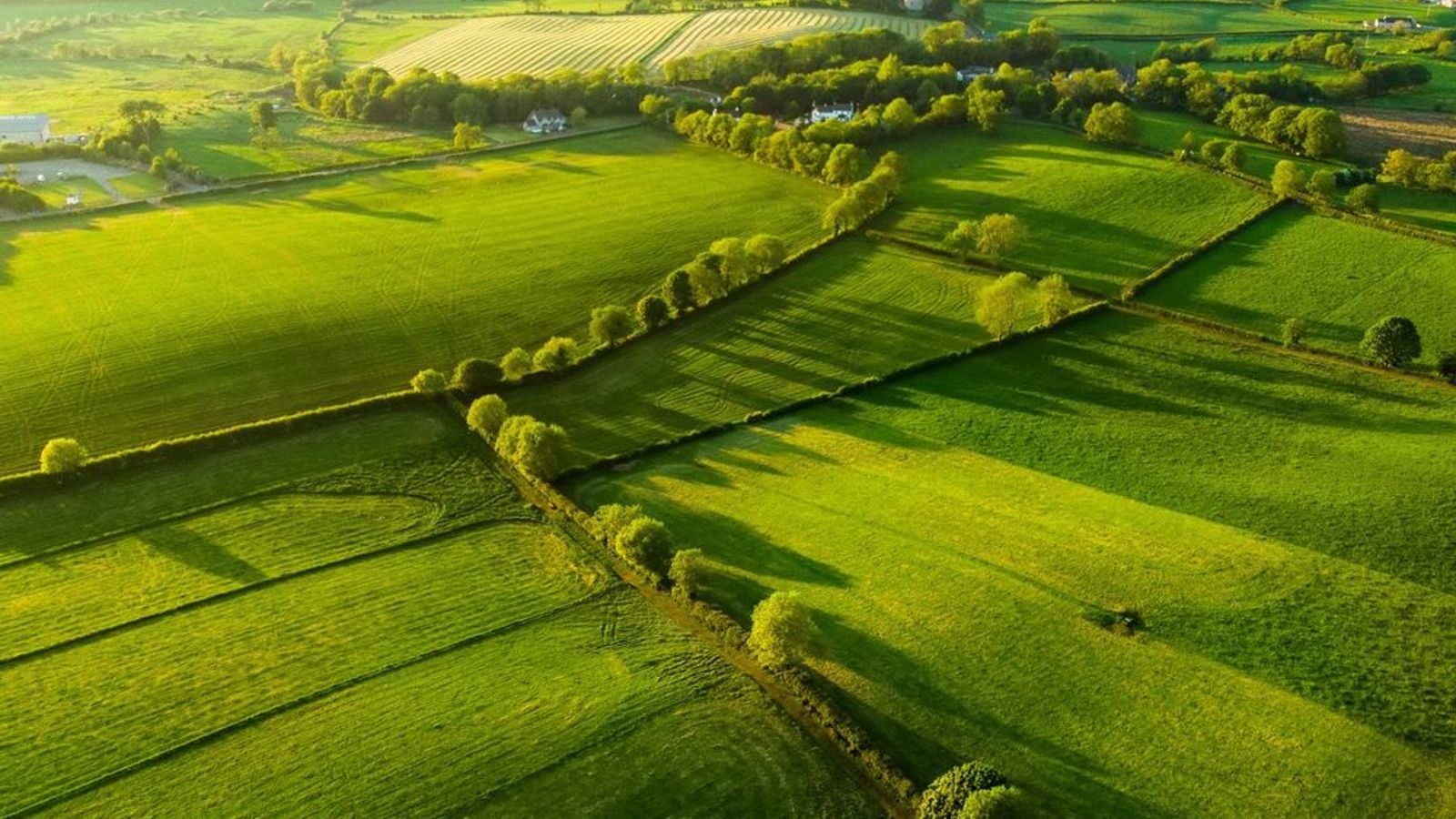
Fear gorta translates from Irish as “hungry man” or, in some dialects, simply as “hungry grass.” Both words point to the same thing: a stretch of ordinary-looking ground that held something sinister.
Walk across a patch of fear gorta and you would be struck without warning. Your legs would weaken. A dizzying, consuming hunger would sweep over you — far beyond what your body would naturally feel.
In the most extreme accounts, the hunger could be fatal. Not through ordinary starvation, but through an overwhelming force that seemed to enter the body from outside and could not be reasoned away.
An Ancient Belief in the Land’s Memory
Scholars trace the roots of fear gorta back long before the Great Famine. In early Irish folk tradition, the landscape was understood to be alive with meaning — certain spots blessed, others cursed, and many holding a power that moved invisibly between the human world and whatever lay beyond it.
Crossroads were watched carefully. Fairy forts were given a wide berth. Fear gorta patches were another form of dangerous ground: unremarkable to the eye, deeply treacherous to those who crossed them without knowing.
The logic was not superstition for its own sake. It was a way of reading the landscape — of understanding that place and memory were layered on top of each other, and that not all of it was safe to pass through carelessly.
How the Famine Changed Everything
The belief took on a different weight after the Great Famine of the 1840s. More than a million people died of starvation across Ireland’s fields and laneways in those years. The idea of hunger embedded in the earth felt, suddenly, less like folklore and more like testimony.
Fields where people had collapsed — men and women walking towards food they never reached — became associated with fear gorta in local memory. The ground remembered what had happened there. The land absorbed the suffering.
This is how Irish folklore carries history: not in clean dates and recorded facts, but folded into the landscape itself, where it remains — unnamed but felt — for generations after the event.
☘️ Enjoying this? 64,000+ Ireland lovers get stories like this every week. Subscribe free →
The Simple Cure That Became a Habit
The protection against fear gorta was practical almost to the point of tenderness: carry food.
A crust of bread in your pocket was enough. A piece of oatcake or a scrap of hard cheese. Something edible that could be consumed the moment the hunger struck and the legs began to fail.
Older generations in Connacht and Munster took this seriously. Travellers walking long distances across unfamiliar ground always had something to eat on their person. Over time, the explanation faded while the habit remained.
Grandmothers pressed biscuits into the hands of children heading out the door. Walkers carried food on short journeys without quite knowing why. The reason had become instinct. The Irish had other ways of embedding warnings into everyday life — fear gorta was simply one of the most quietly practical.
What It Reveals About the Irish Countryside
Fear gorta is not simply a ghost story. It is a record of how the Irish learned to move through their landscape with care and awareness.
Every culture has beliefs that make the world’s dangers manageable. Fear gorta offered a framework for something otherwise inexplicable — the sudden weakness on a long walk, the hunger that arrived from nowhere and left just as quickly.
But it also said something specific. It said: this land has a history. Not every field is the same. Pay attention to where you are walking.
In a country where land and memory are inseparable, that remains serious advice. If you are planning a trip to Ireland, especially to walk the country lanes and quiet fields of the west, this is something worth knowing before you go.
Does Anyone Still Believe It?
Ask the question in the right Irish parish and you will receive a careful answer. Not quite belief. Not quite dismissal. Something between the two — a wariness that does not require full commitment but does not easily let go.
There are villages along the western coast where locals will point to a particular stretch of field or boreen and say, quietly, that you would not want to cross it without something in your pocket.
That caution costs nothing. And in Ireland, the land has surprised people before.
If you walk the quiet roads of rural Ireland and feel drawn to those lonely fields — the ones that sit too still, that seem older than the farms around them — carry something with you. The land here has a long memory. The Irish have always known it. Now you do too.
☘️ You Might Also Love
Tours & experiences you might love


Powered by Viator. Some links are affiliate links — we may earn a small commission at no extra cost to you.
Secure Your Dream Irish Experience Before It’s Gone!
Planning a trip to Ireland? Don’t let sold-out tours or packed attractions spoil your journey. Iconic experiences like visiting the Cliffs of Moher, exploring the Rock of Cashel, or enjoying a guided walk through Ireland’s ancient past often sell out quickly—especially during peak travel seasons.

Booking in advance guarantees your place and ensures you can fully immerse yourself in the rich culture and breathtaking scenery without stress or disappointment. You’ll also free up time to explore Ireland’s hidden gems and savour those authentic moments that make your trip truly special.
Make the most of your journey—start planning today and secure those must-do experiences before they’re gone!