

In 1999, construction workers building a new road through County Clare were given unusual instructions. Go around the bush. Not around a hill. Not around a river. Around a single hawthorn tree growing in a field near the village of Latoon.
A local storyteller named Eddie Lenihan had warned that cutting it down would bring disaster. The tree was a gathering place for the fairies of Munster, he said. Clare County Council quietly rerouted the road. The bush still stands today.
What Exactly Is a Fairy Fort?
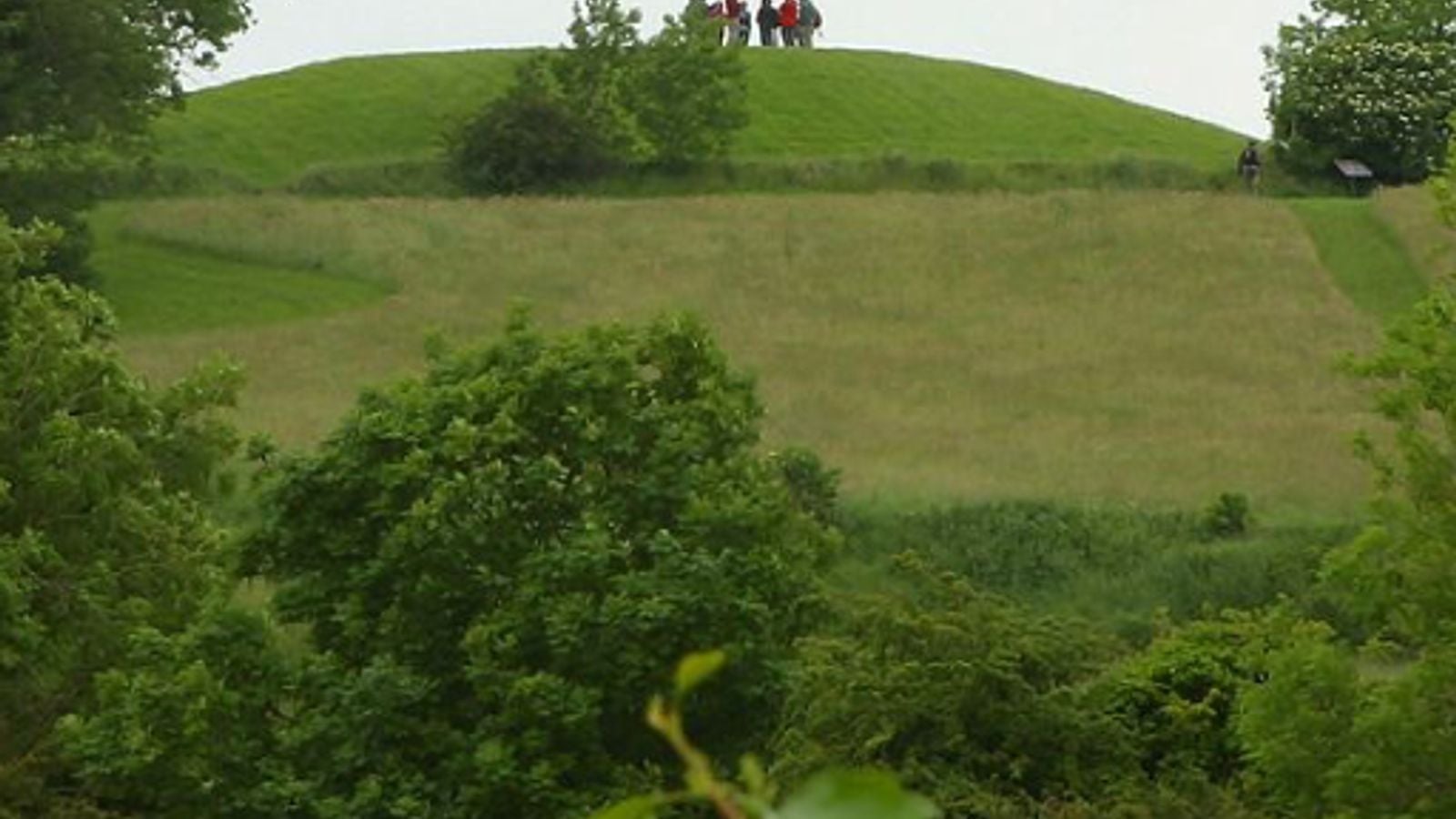
Ireland has roughly 45,000 of them. Low circular mounds or earthen banks, often raised just a few feet above the surrounding ground, scattered across fields from Kerry to Donegal. You have almost certainly seen one without knowing what it was.
They go by different names. Raths, lisses, dúns, cahers, or simply fairy forts. The mounds are genuine archaeology — most were built between 500 BC and 1000 AD as enclosed farmsteads. A family would live inside the circular bank with their animals and stores nearby.
But that is not how Ireland remembers them.
Why Farmers Refuse to Remove a Fairy Fort From Their Land
To the Irish imagination, a fairy fort is not a ruin. It is a threshold. The earthen ring marks the boundary between the everyday world and the world of the aos sí — the fairy people of Irish tradition.
Disturbing a fairy fort has always carried a price. Crops might fail. Cattle might sicken. A family might face a run of misfortune that lasts for generations. These were not idle warnings passed between superstitious neighbours. They were recorded in folklore collections across every county and every parish.
“You might get away with cutting a branch,” a Galway farmer once told a researcher. “But you would not get away with taking the whole tree.”
The Road That Went Around a Fairy Bush
The Latoon story was not unique. It was simply the one that made the newspapers.
Road engineers across Ireland tell similar stories quietly. Fields rerouted. Small earthworks left alone. Workmen refusing to operate machinery on certain sites until local elders had been consulted. It happens more often than official records suggest.
In 2002, a similar controversy arose during roadworks in Limerick when machinery near a disturbed fairy fort began breaking down unexpectedly. The local reaction was telling: few were surprised.
Ireland’s relationship with ancient trees is part of the same tradition — discover why thousands of Irish people still tie rags to trees every year.
☘️ Enjoying this? 64,000+ Ireland lovers get stories like this every week. Subscribe free →
What Archaeology Actually Finds Inside
Inside a well-preserved fairy fort, archaeologists find the outline of a life. Post holes from round houses. Stone quernstones for grinding grain. Animal bone. Occasionally silver, bronze, or iron tools belonging to a family that lived here more than a thousand years ago.
The ringforts were not built by mythical beings. They were built by Irish families of the early medieval period, enclosing their homes the way any farmer would fence a yard. Many were occupied for several hundred years.
What makes their survival remarkable is the reason for it. Ireland lost most of its great buildings to centuries of war, famine, and neglect. The fairy forts survived because nobody touched them. The same belief that labelled them dangerous has preserved one of Europe’s densest concentrations of early medieval archaeology. These earthworks connect directly to Ireland’s ancient system of 62,000 tiny kingdoms, each one a family territory with its own name and history.
How to Spot One When You Visit
Most fairy forts are on private farmland and not signposted. But if you are driving through rural Ireland — particularly in Munster or Connacht — scan the fields for a raised circular outline, often ringed with old hawthorn or ash trees that nobody has cut.
In some counties they appear on Ordnance Survey maps as rath, fort, or lios. If you see a field that has been ploughed around a circular mound rather than across it, you are looking at one of the fairy forts Irish farmers plough around rather than remove, a fort that has survived every generation of farming by sheer force of belief.
If you want to see some of Ireland’s best-preserved ancient earthworks up close, start planning your trip to Ireland here — there are more of them than you might expect.
Still Standing After Everything
The fairy forts have outlasted Norman invasions, survived the Famine, and resisted the bulldozer. In a country that has lost so much — language, population, buildings, stories — perhaps there is something worth noting in that. Whatever you believe about the fairy people of Ireland, the mounds scattered across the fields suggest that some things are simply not worth the risk of disturbing.
They were built by ordinary Irish families more than a thousand years ago. And somehow, against all odds, they are still here.
☘️ You Might Also Love
☘️ Join 64,000+ Ireland Lovers
Every Friday, get Ireland’s hidden gems, local secrets, and travel inspiration — the kind you won’t find in any guidebook.
Free forever · · Unsubscribe anytime
Tours & experiences you might love


Powered by Viator. Some links are affiliate links — we may earn a small commission at no extra cost to you.
Secure Your Dream Irish Experience Before It’s Gone!
Planning a trip to Ireland? Don’t let sold-out tours or packed attractions spoil your journey. Iconic experiences like visiting the Cliffs of Moher, exploring the Rock of Cashel, or enjoying a guided walk through Ireland’s ancient past often sell out quickly—especially during peak travel seasons.

Booking in advance guarantees your place and ensures you can fully immerse yourself in the rich culture and breathtaking scenery without stress or disappointment. You’ll also free up time to explore Ireland’s hidden gems and savour those authentic moments that make your trip truly special.
Make the most of your journey—start planning today and secure those must-do experiences before they’re gone!