

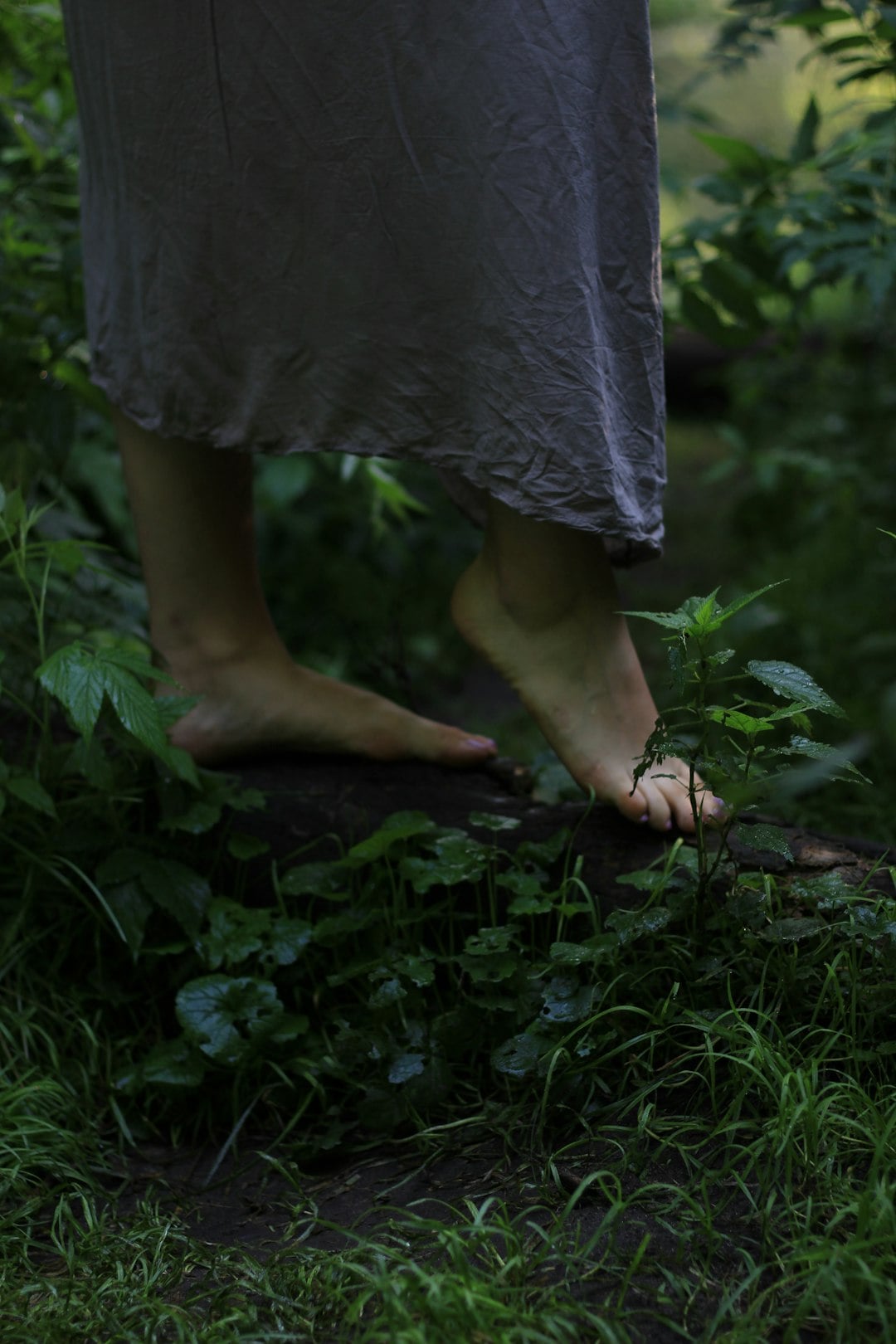
Somewhere in County Donegal, there is a small island in the middle of a lake where you are not allowed to sleep for the first twenty-four hours, you eat nothing but dry bread and black tea, and you do everything in bare feet. Thousands of Irish people go there every year — voluntarily. And most of them come back.
What Actually Happens on Station Island
Station Island sits in the middle of Lough Derg in County Donegal — not to be confused with the larger Lough Derg in County Clare. The island has carried its other name, Lough Derg, for so long that most Irish people do not bother with the official one.
The pilgrimage lasts three days. It has run continuously since at least the twelfth century, and possibly much longer. Medieval accounts describe it as one of the great penitential sites of Christendom. Kings and scholars made the journey. So did ordinary farmers who had walked for days to reach the lakeshore.
On arrival, you remove your shoes. You will not put them on again until you leave. The stone paths are rough, intentionally so. Walking them in bare feet is part of the discipline — a reminder that you came here for something, and comfort is not it.
The Ancient Penitential Beds
At the centre of the island are the penitential beds — low circular stone walls that mark the ruins of the cells where early monks once lived. They are named after Irish saints: Brigid, Brendan, Catherine, Columba, Patrick, and Davog.
The pilgrimage circuits, known as stations, involve walking barefoot around each bed a set number of times while praying aloud. Pilgrims kneel on the stone edge of the lake. They enter the basilica. They walk, and pray, and walk again.
The stones have been worn smooth in certain places by centuries of bare feet. That smoothness is worth pausing over. The path you are walking is not a recreation. It is the same path.
The Night Without Sleep
The most challenging part of Lough Derg comes on the first night. Pilgrims are required to stay awake from arrival until midnight of the following day — roughly twenty-four hours without sleep.
All-night vigils take place in the basilica. People pray, sit quietly together, or simply keep each other company in the candlelit interior while the lake moves outside the windows.
Many pilgrims describe this vigil as the most unexpectedly moving part of the experience. There is something about sitting awake in the middle of the night, in a cold stone building on an island, with a group of strangers who chose to be there, that changes the texture of ordinary thought. The noise falls away. What is left tends to matter more.
☘️ Enjoying this? 64,000+ Ireland lovers get stories like this every week.
Thinking about it seriously? If you’ve started actually planning a move, our complete the full Move to Ireland guide walks through every step, every cost, and the paperwork that catches most people out.
What You Eat — and What You Do Not
The Lough Derg diet is strict throughout the three days. Three meals are permitted in total, and each one is the same: black tea or coffee, dry toast or oatcakes. No butter, no milk, no variation. Water is allowed at any time.
Most pilgrims report that the hunger becomes secondary to everything else. The rhythm of the stations, the cold air off the lake, the accumulated tiredness of the vigil — these take over. The body finds its pace. People who expected to be miserable often report something closer to calm.
Who Goes — and Why They Keep Going
Lough Derg draws pilgrims from across Ireland and from the Irish diaspora in Britain and the United States. They arrive on their own, in pairs, and in small groups. Some are in their twenties. Some are in their seventies. Some have been coming every year for decades.
Family tradition draws many of them. Grandparents went. Parents went. Now it is their turn. Others come at a moment of change — grief, or a decision that needs making, or simply a restlessness that ordinary life has not resolved.
The island has no mobile phone signal and no Wi-Fi. For the duration of the three days, the outside world is entirely unavailable. That, for many pilgrims, turns out to be the unexpected gift.
Lough Derg is part of a broader living tradition of Irish sacred sites. Holy wells and rag trees across the country still draw visitors who come to leave offerings and connect to something older than themselves. And Croagh Patrick in County Mayo draws thousands of barefoot climbers every summer — another pilgrimage that has never stopped.
When to Go and What to Expect
The Lough Derg season runs from the first weekend in June to mid-August each year. Pilgrims arrive on a rolling basis, with three-day groups starting every day throughout the season. No special preparation is required beyond comfortable, layerable clothing for Donegal weather.
Arriving is simple. You take a ferry from the lakeshore near the village of Pettigo in County Donegal, hand over your shoes on landing, and begin. You cannot leave early — the ferry does not run on demand, and part of the experience is that you have committed.
If you are planning a broader trip to County Donegal, Ireland’s trip planning hub is a good place to start. Donegal is one of the country’s most dramatic and least-visited counties — and Lough Derg sits in landscape that rewards the slow approach.
There are easier ways to spend three days in Ireland. You could drive the Wild Atlantic Way, eat well, and photograph cliffs at sunset. All of that is worth doing.
But Lough Derg offers something that most holidays do not. It is not a tourist attraction. It is not a wellness retreat with a waiting list. It is something much older — a practise that has survived every wave of change in Irish life, and continues because people who have been find it difficult to explain why it works, but certain that it does.
Tours & experiences you might love


Powered by Viator. Some links are affiliate links — we may earn a small commission at no extra cost to you.
Secure Your Dream Irish Experience Before It’s Gone!
Planning a trip to Ireland? Don’t let sold-out tours or packed attractions spoil your journey. Iconic experiences like visiting the Cliffs of Moher, exploring the Rock of Cashel, or enjoying a guided walk through Ireland’s ancient past often sell out quickly—especially during peak travel seasons.

Booking in advance guarantees your place and ensures you can fully immerse yourself in the rich culture and breathtaking scenery without stress or disappointment. You’ll also free up time to explore Ireland’s hidden gems and savour those authentic moments that make your trip truly special.
Make the most of your journey—start planning today and secure those must-do experiences before they’re gone!
Subscribe Free