

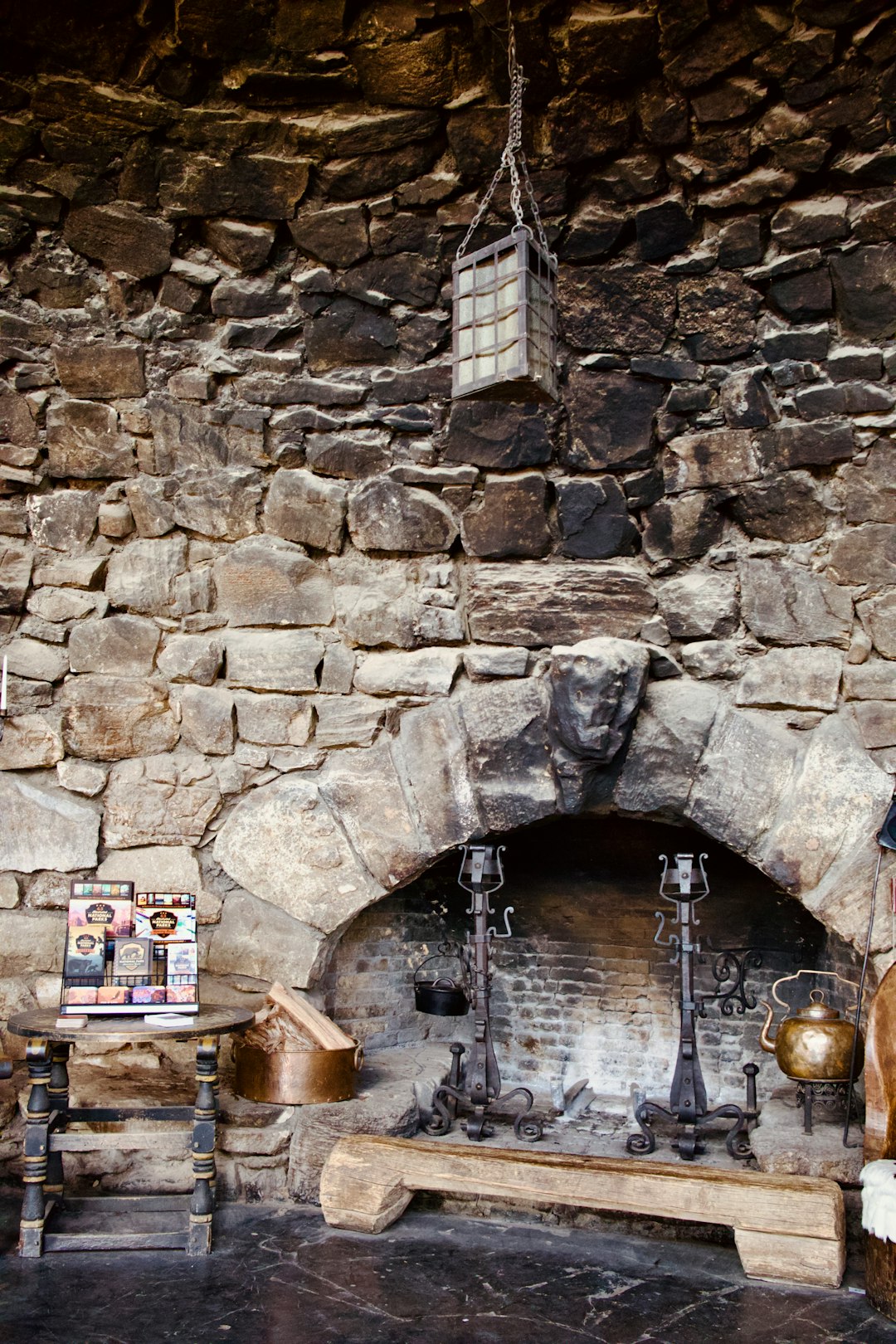
There are grandmothers alive today who got married after a series of visits that happened entirely by the glow of a turf fire, with a mother, a father, and several younger siblings all in the room. Nobody thought this unusual. It was simply how things were done.
The Evening Call That Was Never Just a Visit
In rural Ireland, a young man did not ask a girl out. He called on her family.
He would appear at the door in the evening, hat in hand. If the family welcomed him — and they usually did — he would take a seat by the fire and talk. About the land, the weather, the cattle. Nothing was rushed. Nothing was direct.
The girl might be present. She might not be. Either way, nobody was fooled about why he had come.
This custom was known as rambling in some parts of Ireland, visiting in others. In Irish it was simply cuairt — a call. For centuries, it was the backbone of courtship in rural communities.
Why the Family Had to Be in the Room
Privacy was not part of the arrangement — and that was the point.
A young man calling with honourable intentions wanted to be seen. The presence of the parents was a signal: this man is here in good faith. He is not hiding anything.
The fire was the centre of the home. To sit by it with someone was to be fully present in their world. The parents would observe quietly. Younger children would listen. And the young man would talk, because talk was how trust was built.
Weeks might pass before anyone spoke of a match directly. But everyone understood the shape of what was happening.
The Unspoken Rules Everyone Understood
If a man came back a second time, people noticed. A third time, they talked. By the fourth visit, the whole townland had formed an opinion.
There was no pressure to rush — but there were expectations. A man who visited too often without a formal approach was doing the girl a disservice, keeping her waiting while she could have been meeting someone else.
The family played its part too. They offered tea. They asked polite questions. They were never hostile, but they were always watching. In parts of Connaught, if a father lit his pipe and quietly left the room, it was considered a very good sign. If he stayed and began asking about the young man’s land and prospects, that was something else entirely.
These rituals connected closely to the broader world of Irish courting customs — including the country dances and céilí traditions that gave young people their few hours of unsupervised company each week.
☘️ Enjoying this? 64,000+ Ireland lovers get stories like this every week. Subscribe free →
When Distance Was Never an Excuse
Ireland’s lanes were dark and the roads were bad. Rain was constant. None of that stopped anyone.
Young men walked three miles, five miles — longer — to make an evening call. They walked home in darkness afterwards, and nobody thought anything of it. If a man was serious, he turned up.
In the west especially, whole communities would gather in one house on a winter’s evening — the céilí house, where there was music, storytelling, and company. This was where you met people. Where you were seen. Where a young man could sit across from a girl by the fire and let the whole neighbourhood draw its own conclusions.
Courting in these settings was never private. It was never meant to be.
The Tradition Behind the Match
The fireside visit was never purely romantic. It was also about assessing character — land, resources, family temperament, and long-term reliability.
A man from a good family who kept a tidy farm and held his tongue sensibly at a neighbour’s fire was already halfway to being considered a suitable match. A girl who offered hospitality easily and showed a steady nature around company was doing the same thing.
When the formal match came, it was usually confirmed by the families — sometimes with a matchmaker’s involvement. But the groundwork had been laid by dozens of evenings around the fire, in full view of everyone who mattered.
Ireland’s most celebrated matchmaking tradition in Lisdoonvarna draws on instincts that are far older than the festival itself. The fireside visit is part of the same story.
A Way of Loving That Hasn’t Entirely Gone
It seems foreign to modern life. But traces of it remain.
In tight-knit Irish communities — rural parishes, island villages, diaspora neighbourhoods — people still tend to meet in shared spaces, with families nearby, in full view of everyone who knows them. The fire is gone. The instinct remains.
The grandmothers who married this way didn’t think they were missing anything. They were meeting someone in the most honest setting possible — surrounded by people who had known them all their lives and who would say exactly what they thought.
If you’re visiting Ireland and want to understand the country beyond the guidebooks, start planning your trip here — there’s a whole layer of living tradition waiting to be discovered.
There was nothing glamorous, on the surface, about courting under a parent’s eye. But there was something real about it. Something that required showing up, again and again, in the full light of a community that already knew you. Ireland has always done love that way — openly, in company, close to home.
☘️ You Might Also Love
☘️ Your Irish family has a story waiting to be found.
Discover where your Irish ancestors came from — their county, their name, their story. Our free step-by-step guide walks you through every record, DNA tool, and ancestry archive. Join 64,000+ readers staying connected to Ireland.
Tours & experiences you might love


Powered by Viator. Some links are affiliate links — we may earn a small commission at no extra cost to you.
Secure Your Dream Irish Experience Before It’s Gone!
Planning a trip to Ireland? Don’t let sold-out tours or packed attractions spoil your journey. Iconic experiences like visiting the Cliffs of Moher, exploring the Rock of Cashel, or enjoying a guided walk through Ireland’s ancient past often sell out quickly—especially during peak travel seasons.

Booking in advance guarantees your place and ensures you can fully immerse yourself in the rich culture and breathtaking scenery without stress or disappointment. You’ll also free up time to explore Ireland’s hidden gems and savour those authentic moments that make your trip truly special.
Make the most of your journey—start planning today and secure those must-do experiences before they’re gone!
Subscribe Free