

Ireland is not a country you’d associate with tea. It doesn’t grow tea. It has no vast empire built on it. Yet, ranked per capita, Ireland consistently sits among the world’s top tea-consuming nations — ahead of Britain, ahead of China, ahead of Turkey.
This didn’t happen by accident.
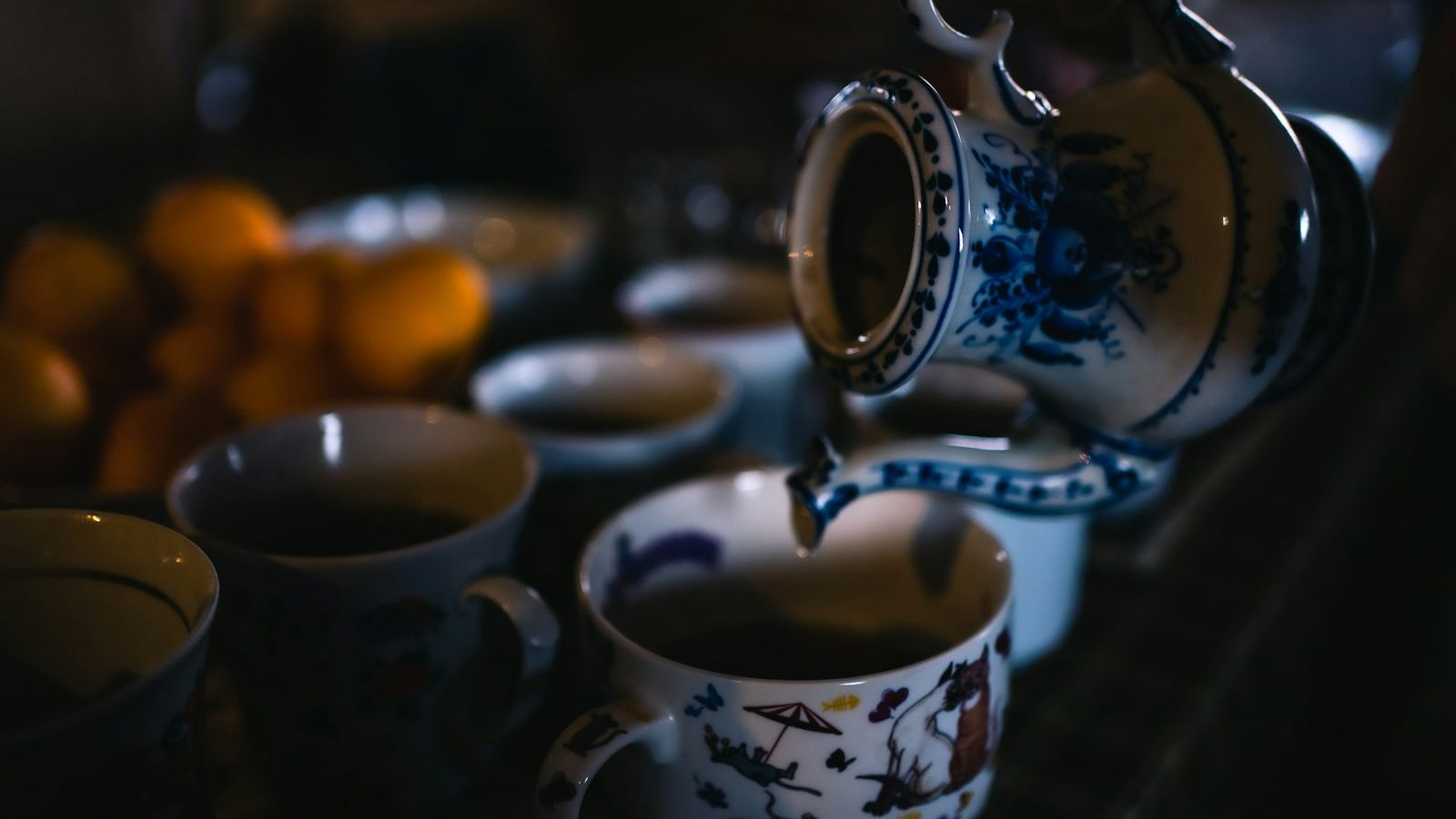
How Tea Arrived in a Country That Didn’t Ask for It
Tea came to Ireland through Britain in the late 17th and early 18th century, initially as an expensive luxury for the merchant class. It was taxed, smuggled, and traded in small quantities by those who could afford it.
By the mid-1800s, falling prices had made it accessible to working families. And in Ireland — a country where poverty was widespread — tea filled a gap that nothing else quite could. It was warm, cheap, and required nothing beyond a pot and a fire.
It also gave people something to do with their hands while they talked. In a culture where hospitality was a serious obligation, that mattered more than it sounds.
The Cup That Answers Everything
In Irish life, tea is not a drink. It is a social reflex.
Someone dies — put the kettle on. A baby is born — put the kettle on. A neighbour arrives unexpectedly — put the kettle on. An argument reaches a standstill — put the kettle on. The tea itself is often beside the point. The act of making it says: I am here, and I am paying attention.
This runs so deep in Irish culture that it crosses all ages and social classes. The farmhouse and the Georgian townhouse reach for the same pot.
Strong, Milky, and Absolutely Non-Negotiable
Irish tea has a specific character that surprises visitors expecting something delicate. It is brewed in a pot — rarely just a bag — strong enough to stand a spoon in. Milk goes in. Sugar is offered. The result is something approaching a meal in itself.
The debate between Barry’s Tea from Cork and Lyons Tea from Dublin has been running for generations. Both produce an Irish breakfast blend that other countries don’t make. Both have fierce loyalists who would sooner change county than change brand.
Asking an Irish person to justify their tea loyalty will get you a look that suggests the question wasn’t worth asking.
☘️ Enjoying this? 64,000+ Ireland lovers get stories like this every week. Subscribe free →
Tea at the Wake
In traditional Irish communities, the wake — the all-night gathering around someone who had died — was fuelled almost entirely by tea. The women of the house made pot after pot through the night while the men sat with the deceased and talked.
The tea wasn’t refreshment. It was rhythm. It gave people a reason to stay, a task for hands that didn’t know what to do, and a structure for a night that had none.
Tea wagons — mobile catering vans serving tea and sandwiches — became fixtures at agricultural shows, cattle fairs, and funerals throughout rural Ireland. In some communities, they are still there today.
The Gaeltacht and the Guest
In Irish-speaking Gaeltacht households, the word for tea — tae — became one of the most-used loanwords from English, fully absorbed into daily speech over two centuries.
In traditional Gaeltacht homes, a visitor was given tea before any conversation began. Before you explained who you were or why you’d come. Tea arrived first. This communicated something specific: in this house, you are welcome before you have justified yourself.
That’s not just hospitality. It’s a statement about how people ought to be treated. Tea plays a similar role in the Irish morning routine, where it has accompanied the first meal of the day for generations.
Why Tea Outlasted Everything
Ireland’s relationship with tea survived the coffee-shop revolution, the Celtic Tiger, and every imported beverage trend of the 20th century. In the 1990s, espresso bars appeared on every Irish high street. Coffee became fashionable. Tea became old-fashioned.
And then the tide turned.
Barry’s and Lyons consistently outsell every coffee brand in Irish supermarkets. The kettle goes on at a moment’s notice. The cup of tea still arrives without being asked for.
Some habits persist not because they’re enforced, but because they’re genuinely useful. In a culture that values hospitality above almost everything, the cup of tea remains the simplest way to say: You matter to me, and I have time for you.
If you’re planning your first trip to Ireland, expect to drink a lot of tea. And expect to feel, every single time, like you’ve just been welcomed home.
☘️ You Might Also Love
☘️ Join 64,000+ Ireland Lovers
Every Friday, get Ireland’s hidden gems, local secrets, and travel inspiration — the kind you won’t find in any guidebook.
Subscribe free — enter your email:
Already subscribed? Download your free Ireland guide (PDF)
Love more? Join 43,000 Scotland lovers → · Join 30,000 Italy lovers → · Join 7,000 France lovers →
Free forever · · Unsubscribe anytime
Tours & experiences you might love


Powered by Viator. Some links are affiliate links — we may earn a small commission at no extra cost to you.
Secure Your Dream Irish Experience Before It’s Gone!
Planning a trip to Ireland? Don’t let sold-out tours or packed attractions spoil your journey. Iconic experiences like visiting the Cliffs of Moher, exploring the Rock of Cashel, or enjoying a guided walk through Ireland’s ancient past often sell out quickly—especially during peak travel seasons.

Booking in advance guarantees your place and ensures you can fully immerse yourself in the rich culture and breathtaking scenery without stress or disappointment. You’ll also free up time to explore Ireland’s hidden gems and savour those authentic moments that make your trip truly special.
Make the most of your journey—start planning today and secure those must-do experiences before they’re gone!
Subscribe Free