

Stand in a session in Sligo and listen to the fiddle. Then walk into a session in County Clare. You will hear what sounds like two completely different instruments — played with two completely different intentions, shaped by two completely different centuries of isolation.
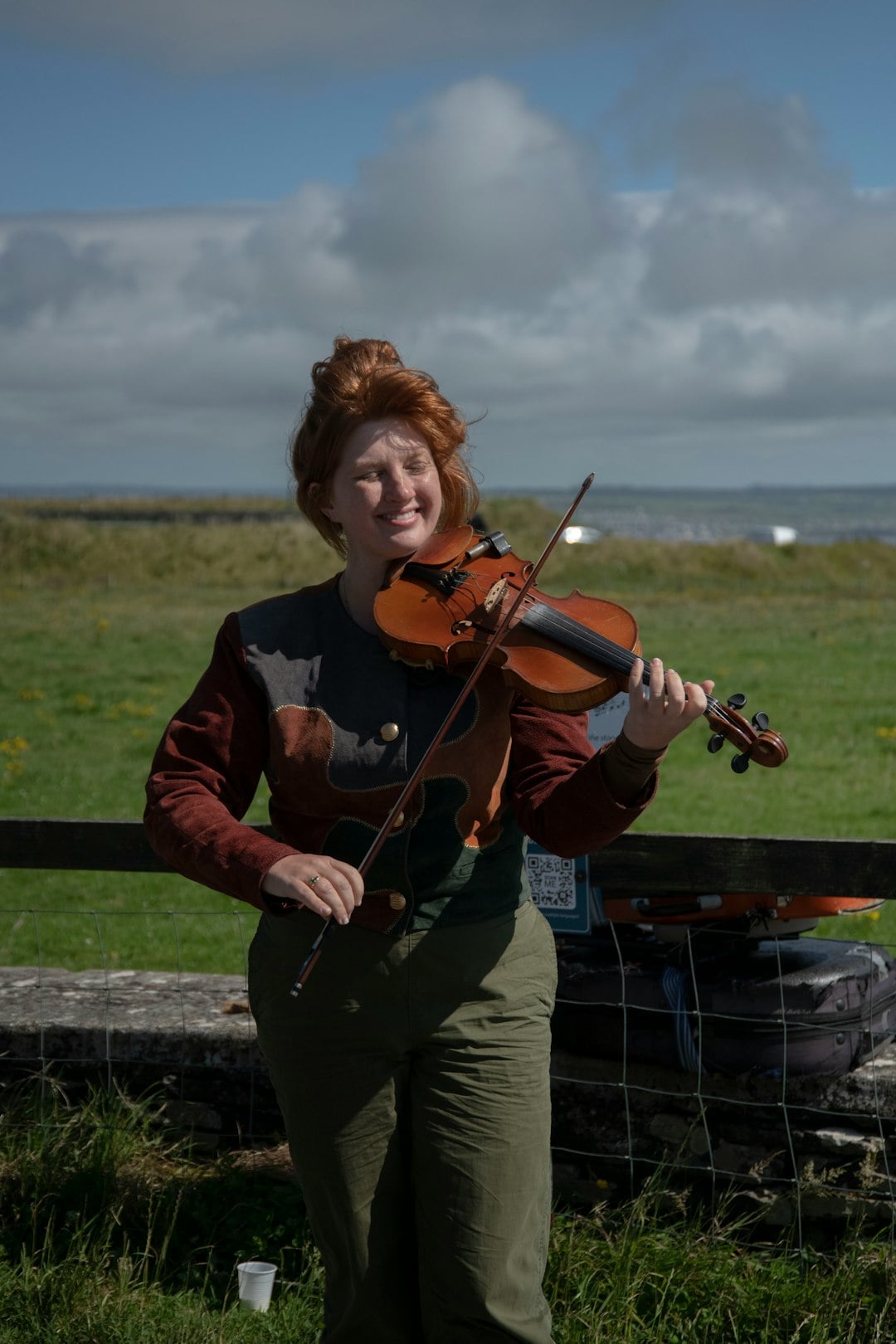
Most people know Irish traditional music as a single tradition. It is not. The fiddle — Ireland’s most played instrument — carries at least three distinct regional dialects, each shaped by geography, emigration, and a handful of extraordinary players who defined what good playing sounded like in their corner of the country.
One Instrument, Three Voices
The Irish fiddle is technically the same instrument as the violin. Same strings, same shape, same bow. But the way it is played in Sligo, Clare, and Donegal has diverged over generations into something genuinely distinct.
These regional styles are not simply a matter of personal taste. They involve different bow techniques, different approaches to ornamentation, and different ideas about what music is fundamentally for. Is it for listening, or for dancing? For display, or for community? Your county answers that question before you even pick up the bow.
Trad musicians take these distinctions seriously. Playing in the style of your county is a mark of identity as meaningful as any surname or accent. Competitions at the Fleadh Cheoil separate players by region for exactly this reason — a Donegal fiddler and a Clare fiddler are being judged against entirely different standards.
The Sligo Style — Smooth, Lyrical, and Recorded
Sligo fiddling is what most of the world recognises as Irish music. It flows. It breathes. Notes are held and allowed to sing before moving on. Ornamentation is present but restrained — used for colour rather than decoration for its own sake.
This style became dominant not because it was the oldest, but because of one man: Michael Coleman, a Sligo fiddler who emigrated to New York in 1914 and recorded more than 80 tracks on 78rpm records through the 1920s. Those recordings shipped back to Ireland on gramophones and spread across the country. Families who had never left their county learned to play like a man who had left his.
Coleman’s recordings effectively set the standard for what good Irish fiddle playing sounded like for an entire generation. Even in counties with strong local traditions, younger players tried to replicate his sound. The Sligo style is, in part, a trans-Atlantic invention — born in New York, carried home by post.
The Clare Style — Rhythmic, Driving, and Built for Dancing
Clare fiddling has no interest in being beautiful. It wants to move you. The Clare style is built for set dancing — a form that survived in Clare long after most counties had switched to céilí dancing — and the music evolved to match. Notes are shorter. Bow strokes are more percussive. The rhythm sits forward, pushing dancers rather than floating above them.
Listen for what Clare musicians call the lift — a rhythmic pulse between notes that creates momentum even during rests. It is easier to feel than to describe. Stand near a Clare fiddler long enough and your foot will start tapping before your brain understands why.
The Clare tradition produced musicians like Junior Crehan, Bobby Casey, and Paddy Canny — all of whom played with a directness that other styles can lack. Clare music is not trying to impress you. It is trying to get you on your feet.
☘️ Enjoying this? 64,000+ Ireland lovers get stories like this every week. Subscribe free →
The Donegal Style — Fast, Scottish, and Close to Something Older
Donegal fiddling sounds almost foreign to someone raised on Coleman recordings. It is faster — sometimes startlingly so. It uses drones: a sustained note held on an open string while the melody moves above it, giving the music a haunting, almost pipe-like quality. And it carries unmistakable traces of Scottish influence.
This makes geographical sense. From some Donegal parishes, Scotland is closer than Dublin. The musical exchange between Donegal and the western Scottish islands has been continuous for centuries, and the fiddle traditions blurred at the edges in ways that confused later collectors who expected Irish music to sound like Sligo.
Players like John Doherty — who spent much of his life travelling as a tinsmith, playing at crossroads and fairs — preserved the Donegal style through decades when the recording industry nearly erased it. His playing is faster and rougher than most people expect. It sounds old in a way that is immediately recognisable, even if you cannot explain why.
Where to Hear the Regional Styles Today
The best way to hear these differences is not on a recording. It is in a session, where the regional character of the music becomes physical — in how musicians hold their bows, in how they respond to each other, in how the room feels at the end of a reel.
For the Sligo style, sessions around Gurteen and Tubbercurry carry strong Coleman traditions. For Clare, Ennis is the starting point, and the villages around Milltown Malbay go deeper still. For Donegal, Ardara and the Glenties area remain strongholds of the older style.
Before you go, take time to read the unwritten rules of an Irish trad session — knowing when to listen, when to join, and when to keep your phone in your pocket makes all the difference. For planning your trip, our Ireland travel planning guide covers the major festivals and how to time your visit.
A Living Language
Regional fiddle styles are musical dialects. Like the spoken dialects of Irish, they carry the history of the places they come from — the geography, the isolation, the particular kind of community that formed in each county over centuries.
They are not museum pieces. They are being played tonight, in a pub in Sligo, a kitchen in Clare, a community hall in Donegal, by musicians who learned them not from a textbook but from sitting beside someone older. That older person learned the same way. And the night goes on, and the music does not change.
☘️ You Might Also Love
☘️ Join 64,000+ Ireland Lovers
Every Friday, get Ireland’s hidden gems, local secrets, and travel inspiration — the kind you won’t find in any guidebook.
Subscribe free — enter your email:
Free forever · · Unsubscribe anytime
Tours & experiences you might love


Powered by Viator. Some links are affiliate links — we may earn a small commission at no extra cost to you.
Secure Your Dream Irish Experience Before It’s Gone!
Planning a trip to Ireland? Don’t let sold-out tours or packed attractions spoil your journey. Iconic experiences like visiting the Cliffs of Moher, exploring the Rock of Cashel, or enjoying a guided walk through Ireland’s ancient past often sell out quickly—especially during peak travel seasons.

Booking in advance guarantees your place and ensures you can fully immerse yourself in the rich culture and breathtaking scenery without stress or disappointment. You’ll also free up time to explore Ireland’s hidden gems and savour those authentic moments that make your trip truly special.
Make the most of your journey—start planning today and secure those must-do experiences before they’re gone!
Subscribe Free