

Waterford is Ireland’s oldest city. The Vikings founded it in 914 AD on the banks of the River Suir, and it has been a living city ever since. Things to do in Waterford range from world-class museums inside genuine medieval buildings to factory tours where craftsmen hand-cut crystal using techniques unchanged for centuries. Add in a dramatic coastal geopark, a 46km cycling trail through river valleys, and some of the freshest seafood in Ireland — and you have a destination that surprises almost everyone who visits. Most tourists skip Waterford entirely. That is their loss.
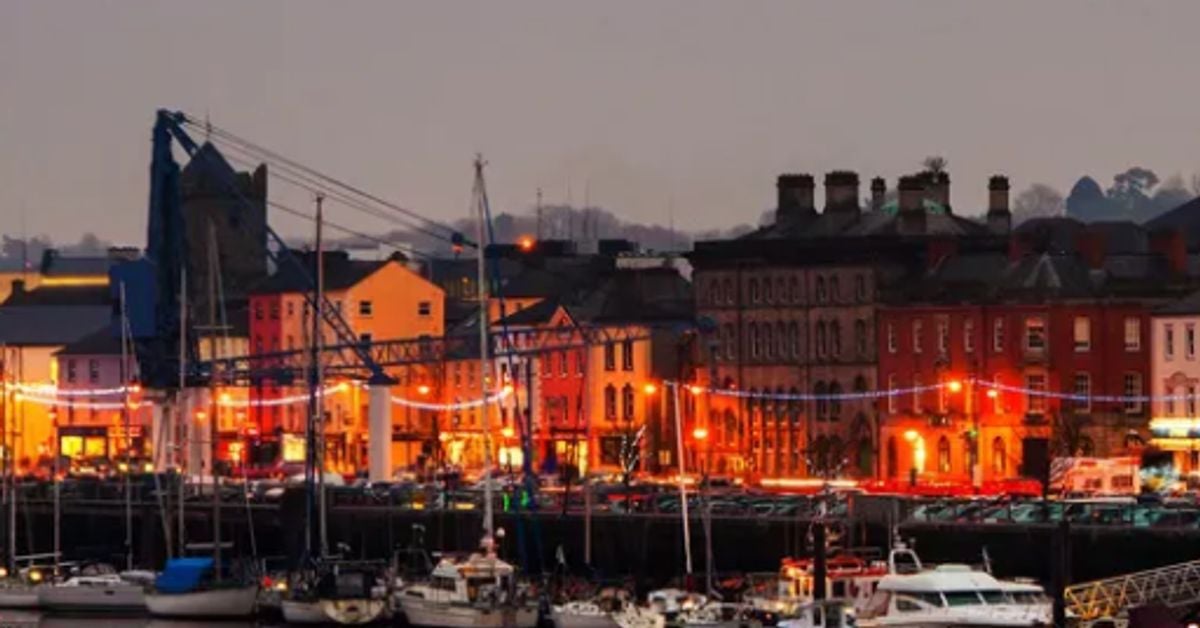
Why Visit Waterford?
Waterford sits in Ireland’s sunny south-east corner. The county gets more hours of sunshine than most of the country. It is about two hours south of Dublin by road, and ninety minutes east of Cork. That makes it a straightforward stop on any Ireland road trip.
The city is compact and easy to walk. Once you arrive, you don’t need a car. The main attractions cluster around the historic quayside and a medieval zone called the Viking Triangle. Everything important is within fifteen minutes on foot.
Waterford also runs at a quieter pace than Killarney or Galway. You won’t queue to enter the museums. You can stand on the medieval walls without a crowd. The restaurants are excellent, and the prices are reasonable. That combination is increasingly rare in Ireland.
Before you visit, check our Ireland trip planning guide for advice on routes, timing, and what to prioritise.
The Viking Triangle
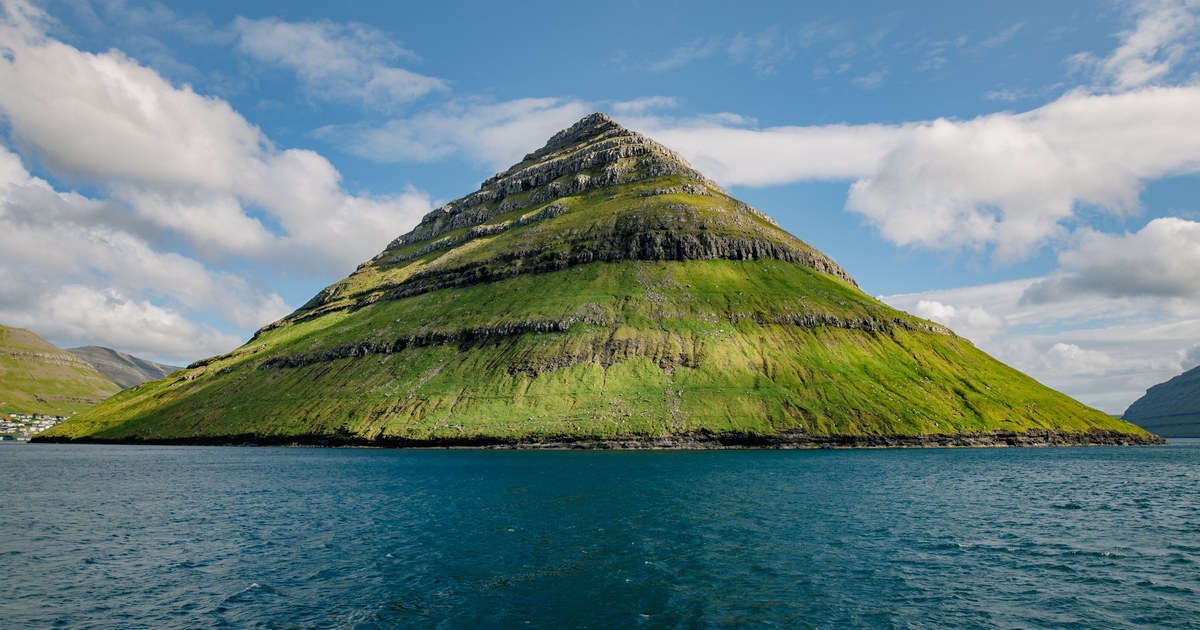
The Viking Triangle is the historical heart of Waterford. Three world-class museums occupy the same compact area. You can visit all three in a single afternoon, and each one is worth your time.
Reginald’s Tower
Reginald’s Tower stands where the city walls meet the River Suir. The Vikings built the original fortification around 1003 AD, making it the oldest civic building in Ireland still in use. Walk through more than a thousand years of history inside. Exhibits cover Viking Waterford, the Norman takeover, and the city’s long medieval life. The building itself is as interesting as anything on the walls.
Admission costs a few euros. The tower is small but packs in a remarkable amount.
The Medieval Museum
The Medieval Museum is built around genuine medieval remains. You walk above original city walls from the 11th century. The centrepiece is a 15th-century civic sword and a collection of medieval vestments that is among the finest in the world. The building is striking. The exhibits are outstanding. This is one of the best small museums in Ireland.
The Bishop’s Palace
The Bishop’s Palace covers the years 1700 to 1970. The Georgian building is beautifully restored. The collection includes historic Waterford Crystal pieces alongside local historical artefacts and a recreation of a Victorian parlour. It is a gentler museum than the first two, but no less interesting.
A combined ticket covers all three museums. Buy it at any of the three buildings.
Waterford Crystal

Waterford Crystal is known around the world. The House of Waterford Crystal on the quayside runs factory tours that let you watch master craftsmen at work. Glassblowers shape molten crystal. Cutters carve intricate patterns by hand. Finishers polish each piece to a brilliant shine.
These skills take years to master. Many of the craftsmen here have worked in the factory for decades. Watching them is genuinely impressive, even if you have no particular interest in glassware.
The factory shop is large and covers every price point. You can buy a single wine glass or an entire dining service. The guided tour runs throughout the day and doesn’t require booking in advance, though it’s worth checking the website before you travel.
☘️ Enjoying this? 64,000+ Ireland lovers get stories like this every week.
Official info: en.wikipedia.org/wiki/Waterford_Crystal.
Thinking about it for retirement?
If you’ve started thinking seriously about retiring there, our complete our full Retire in Ireland guide covers the visa, healthcare, cost-of-living, and the regions worth shortlisting.
Subscribe free →
The Waterford Greenway
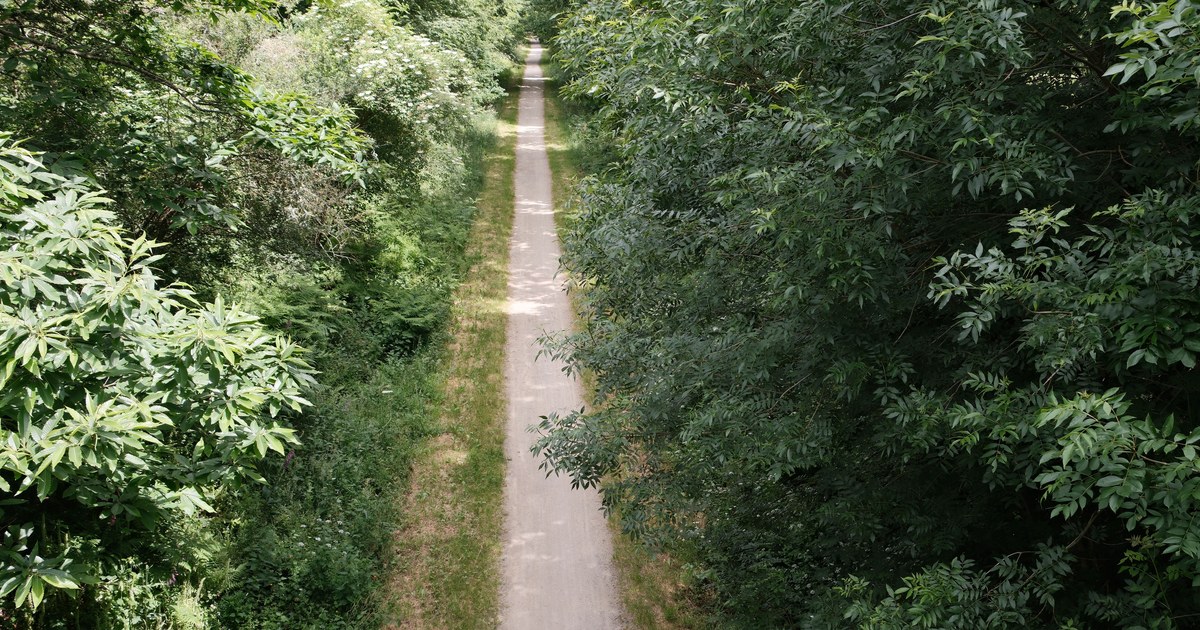
The Waterford Greenway is one of Ireland’s finest off-road trails. It runs 46km from Waterford city west to Dungarvan on the coast. The route follows old railway lines through river valleys, past ruined abbeys, and over dramatic viaducts.
You can walk or cycle the trail. Most visitors hire bikes in Waterford or Dungarvan and take a day or two to cover it. The trail is well signed and mostly flat, which makes it accessible to almost anyone.
The highlight is the Kilmacthomas Viaduct. It rises 48 metres above the valley floor and gives views across the surrounding countryside that are well worth a stop. The trail passes through the village of Kilmacthomas, which has a café and bike hire.
If time is short, start in Waterford and head west for a couple of hours, then turn around. You’ll cover the most scenic sections of the route.
The Copper Coast UNESCO Geopark
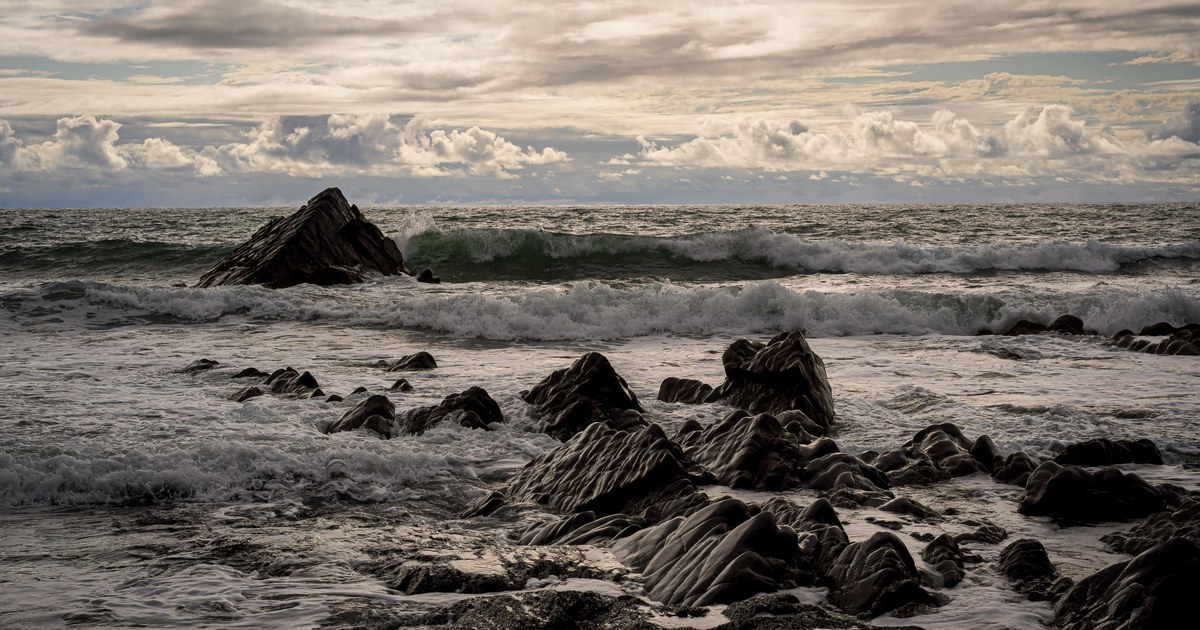
The Copper Coast stretches along Waterford’s shoreline between Tramore and Dungarvan. It takes its name from the copper mines that operated here in the 19th century. Today it is a UNESCO Geopark, recognised for its remarkable geological history that stretches back 460 million years.
The scenery is dramatic. Sea cliffs rise above rocky coves. Old mine workings dot the headlands. Small fishing villages sit in sheltered bays between the cliffs.
Drive the coastal road slowly. Stop at Kilfarrasy Beach, Bunmahon, and Stradbally Cove. Each has its own character. The drive from Tramore to Dungarvan takes about an hour without stops, but allow two or three hours if you want to explore properly.
Dunmore East
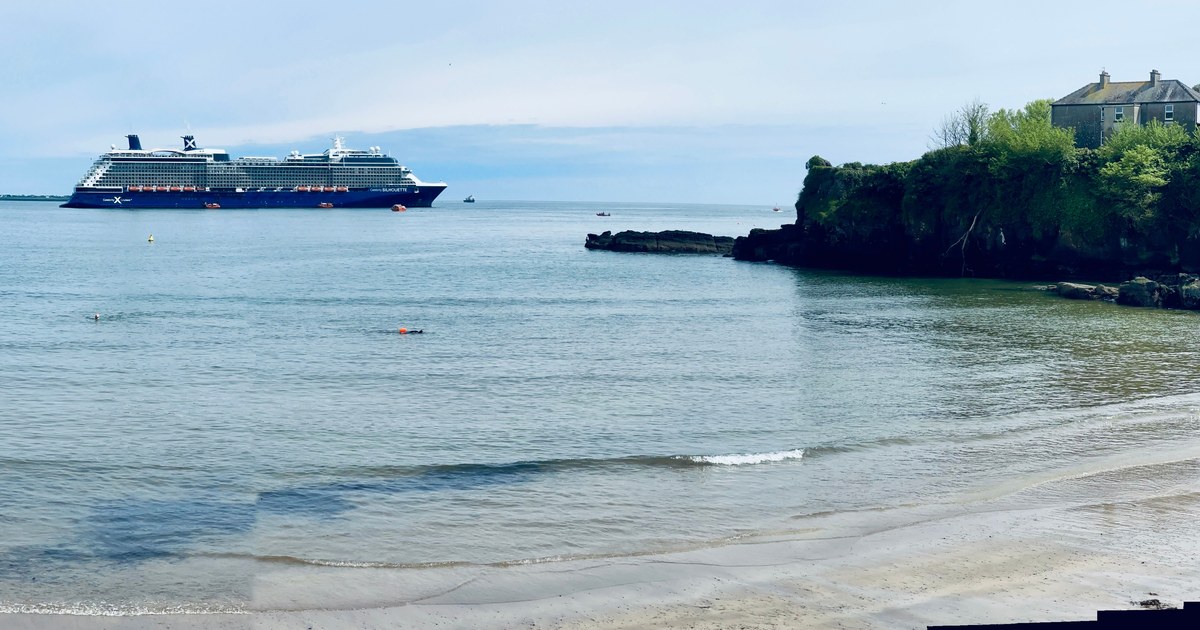
Dunmore East is a fishing village at the mouth of Waterford Harbour, about 16km from the city. It is one of the prettiest villages in the south-east of Ireland. Colourful houses line the hill above the harbour. Fishing boats tie up at the small pier. Sea cliffs rise above the main beach.
The village has several good seafood restaurants. The fish and chips from the harbour is the meal most visitors remember longest. Spend an afternoon here after the Viking Triangle and you’ll leave Waterford feeling very satisfied. Official info: en.wikipedia.org/wiki/Dunmore_East.
Tramore
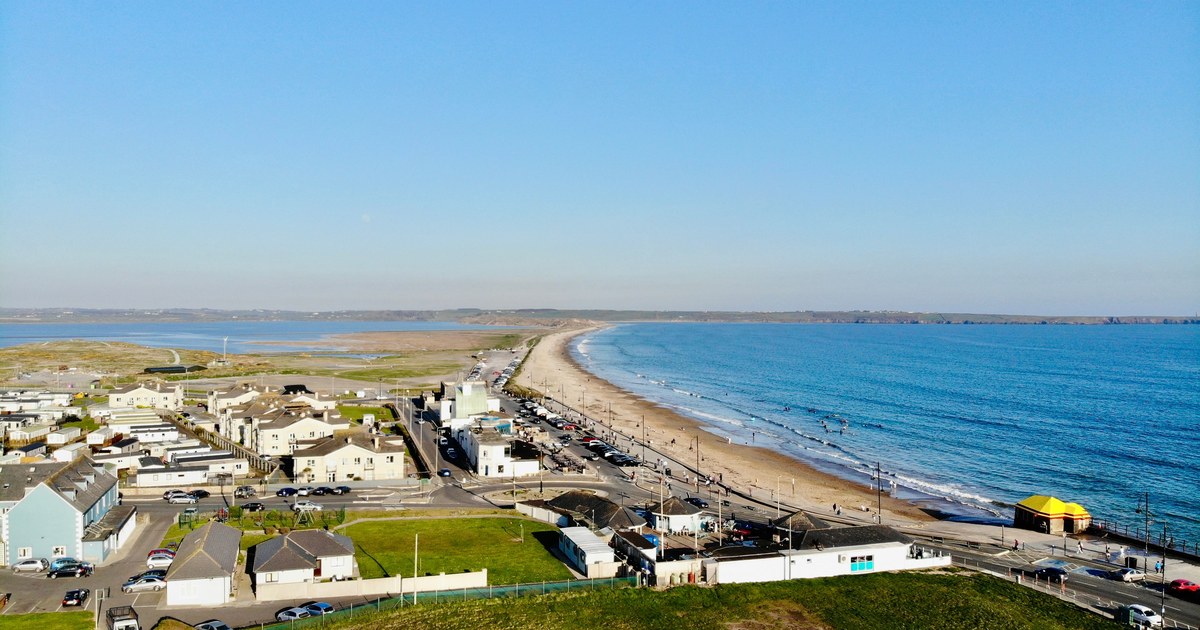
Tramore is Waterford’s main seaside town, about 13km from the city centre. It has a five-kilometre stretch of sandy beach — one of the longest in the south-east. The town has an old-fashioned seaside feel, with an amusement park, a promenade, and a busy beach in summer.
The headlands above Tramore are worth exploring on foot. Look out for the Metal Man, a nautical statue on the cliff that has guided ships into Waterford Harbour since 1823. The views from the headland across Tramore Bay are excellent. Official info: en.wikipedia.org/wiki/Tramore.
What to Eat in Waterford
Waterford has a food culture that rewards exploration.
Start with a blaa. This is a soft, floury bread roll unique to the city. You will not find it anywhere else in Ireland. Locals eat it for breakfast, stuffed with butter and rashers. The blaa holds Protected Geographical Indication status, alongside Champagne and Parma ham. Get one from a local bakery early in the morning. If you want to recreate it at home, this traditional Waterford blaas recipe walks you through every step.
Seafood is the other reason to eat well in Waterford. The coast produces excellent oysters, mussels, crab, and a range of fresh fish. Restaurants along the quayside specialise in locally caught seafood. Dunmore East adds another string to that bow — fresh fish straight off the boats.
The city also has a growing café and restaurant scene around the Viking Triangle. Take your time and explore. The standard is consistently good.
Getting to Waterford
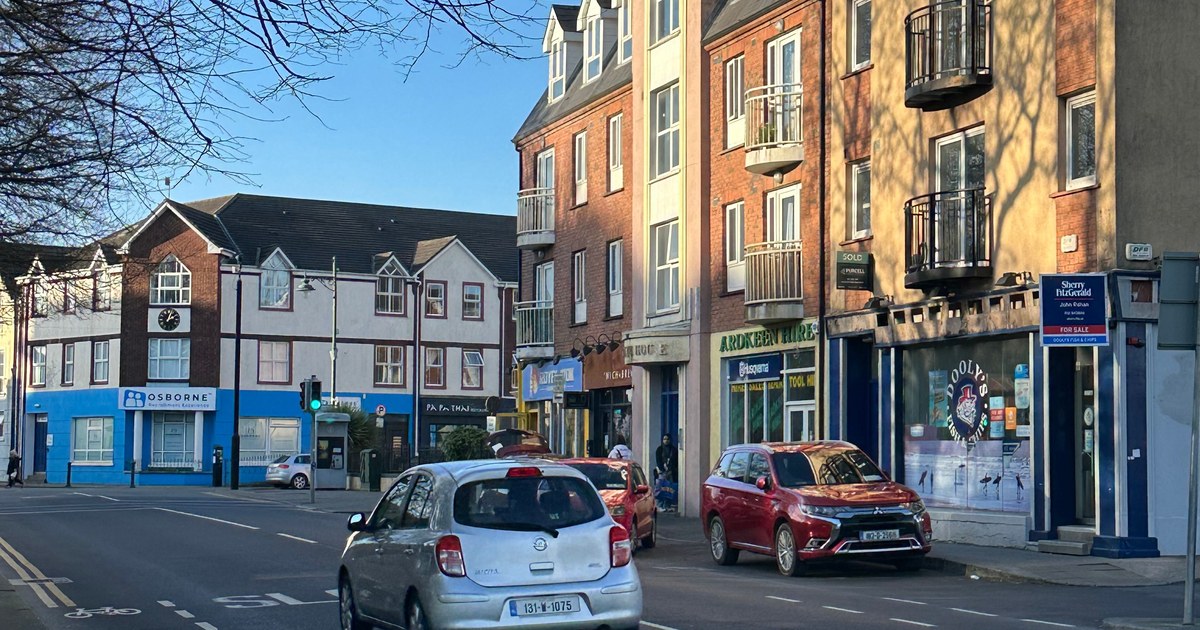
From Dublin: Bus Éireann runs regular services from Dublin city centre to Waterford. The journey takes around two hours and fifteen minutes. Alternatively, drive via the M9 motorway. The drive takes about two hours.
From Cork: Drive east via the N25. The journey takes around ninety minutes. Bus Éireann also operates direct services between Cork and Waterford.
By train: Intercity trains run from Dublin Heuston to Waterford. The journey takes just under two hours. Services are regular and the station is a short walk from the city centre.
Waterford city centre is compact. Once you arrive, you can reach every major attraction on foot.
How Long to Spend in Waterford
A full day is enough for the Viking Triangle, Waterford Crystal, and a walk along the quayside. Add a second day for the Greenway or a drive along the Copper Coast. A weekend gives you time to see everything, including a trip to Dunmore East or Tramore.
Waterford works well as part of a south-east Ireland road trip. From here you can drive north into County Wicklow or west to County Kilkenny. Both are within ninety minutes. For a full trip plan, the Free Ireland Travel Planner helps you map out your route and pick the right counties to combine.
☘️ Your Irish family has a story waiting to be found.
Discover where your Irish ancestors came from — their county, their name, their story. Our free step-by-step guide walks you through every record, DNA tool, and ancestry archive. No experience needed.
Already subscribed? Download your free Ireland guide (PDF)
📲 Know someone who’d love this? Share on WhatsApp →
Love more? Join 43,000 Scotland lovers → · Join 30,000 Italy lovers → · Join 7,000 France lovers →
Free forever · · Unsubscribe anytime
Things to Do in Waterford: Your Questions Answered
What is the best time to visit Waterford, Ireland?
May to September gives the warmest weather and the longest days. July and August are the busiest months. May, June, and September offer pleasant weather with smaller crowds — that is often the best combination for things to do in Waterford without queuing.
Is Waterford worth visiting for a day trip from Dublin?
Yes. Waterford is about two hours from Dublin by road or train. A day trip gives you enough time to cover the Viking Triangle, visit Waterford Crystal, and have lunch on the quayside. Stay overnight if you can — the city rewards a second day.
How do I get from Dublin to Waterford?
Drive south on the M9 motorway — the journey takes about two hours. Bus Éireann runs regular coaches from Dublin city centre that arrive in Waterford in around two hours fifteen minutes. The train from Dublin Heuston takes just under two hours.
What is Waterford most famous for?
Waterford is most famous for Waterford Crystal, the world-renowned glassware produced here since 1783. The city is also Ireland’s oldest, founded by the Vikings in 914 AD. The Viking Triangle museums, the medieval city walls, and the Waterford Greenway are equally well worth your time.
Tours & experiences you might love


Powered by Viator. Some links are affiliate links — we may earn a small commission at no extra cost to you.
Secure Your Dream Irish Experience Before It’s Gone!
Planning a trip to Ireland? Don’t let sold-out tours or packed attractions spoil your journey. Iconic experiences like visiting the Cliffs of Moher, exploring the Rock of Cashel, or enjoying a guided walk through Ireland’s ancient past often sell out quickly—especially during peak travel seasons.

Booking in advance guarantees your place and ensures you can fully immerse yourself in the rich culture and breathtaking scenery without stress or disappointment. You’ll also free up time to explore Ireland’s hidden gems and savour those authentic moments that make your trip truly special.
Make the most of your journey—start planning today and secure those must-do experiences before they’re gone!
Subscribe Free