

The things to do in Louth will surprise you. County Louth is Ireland’s smallest county at just 821 square kilometres, yet it holds medieval walled towns, ancient high crosses that rank among the finest in Europe, a battlefield that changed the course of Irish history, and one of Ireland’s most scenic loughs. If you are planning a trip to Ireland’s Ancient East, Louth deserves a serious place on your itinerary.
Louth borders Meath to the south and Armagh to the north, placing it right in the corridor between Dublin and Belfast. That location made it a crossroads for centuries — the Romans, the Normans, Cromwell, and William of Orange all left their mark here. Today, visitors come for the medieval streets of Carlingford, the ancient high crosses of Monasterboice, and the bustling heritage of Drogheda. Here is your complete guide to the best things to do in County Louth, Ireland.
Before you go, check out our Ultimate Ireland Travel Guide to help plan your full trip around the island.
Drogheda: History, Heritage, and a Martyr’s Relics
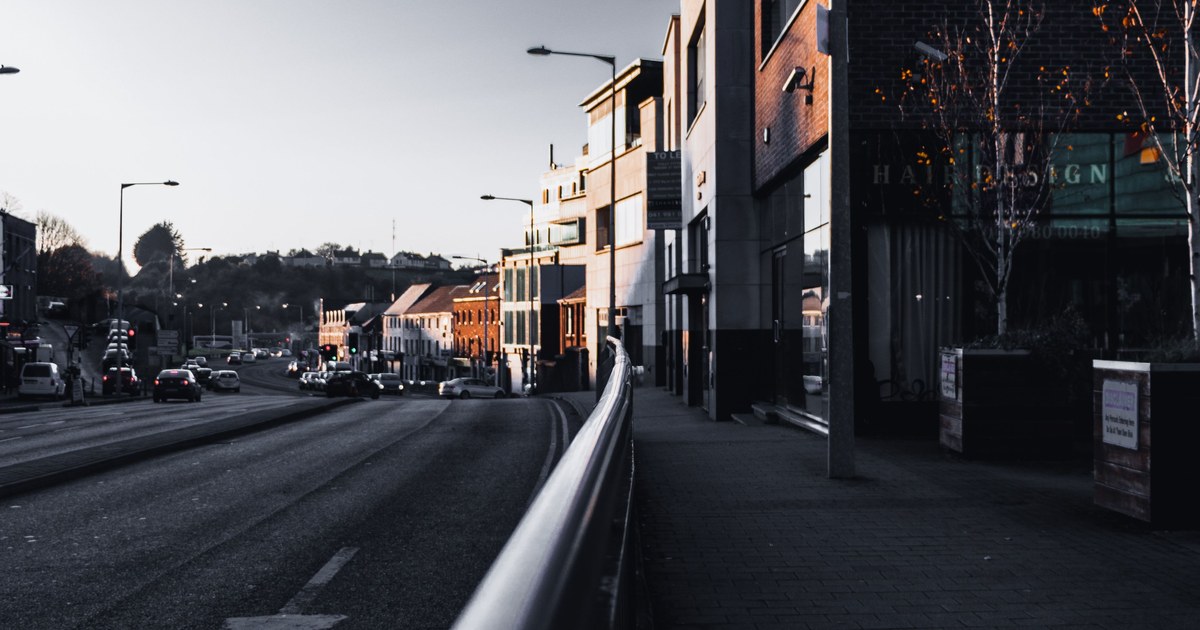
Drogheda is Louth’s largest town, with a population of around 45,000, and it sits on the River Boyne just where Meath and Louth meet. It is one of Ireland’s most historically significant towns, and a walk through its streets reveals layer after layer of that history. Official info: en.wikipedia.org/wiki/Drogheda.
St Peter’s Church and the Head of Oliver Plunkett
St Peter’s Roman Catholic Church on West Street holds one of the most extraordinary religious relics in Ireland: the preserved head of St Oliver Plunkett. Plunkett (1625–1681) was the Archbishop of Armagh. He was executed in London in 1681 on false charges of treason, becoming the last Catholic martyr executed in England. He was canonised by Pope Paul VI in 1975, making him the first new Irish saint in almost 700 years. The church is free to enter, and the reliquary is on display daily.
Millmount Fort and the Drogheda Museum
Millmount is a distinctive drumlin overlooking the town. It has served as a passage tomb mound, a Norman motte, and a military fortification. Today, it houses the Millmount Museum, which covers everything from Drogheda’s guild history to the events of the 1641 rebellion and Cromwell’s brutal 1649 siege of the town. The museum also displays a collection of trade guild banners dating back to the 18th century. Entry costs around €5 for adults.
Cromwell’s 1649 siege of Drogheda remains one of the most controversial events in Irish history. He ordered the slaughter of the garrison and the clergy who took refuge inside. The memory of it still runs deep in the town.
The Barbican Gate and Town Walls
Much of Drogheda’s medieval wall system survives. The most impressive remnant is St Laurence Gate, a 13th-century barbican that once protected the eastern entrance to the town. It stands two storeys tall and is considered one of the finest medieval gates in Ireland. Walk along the surviving sections of the old town walls for a sense of Drogheda’s past importance as a walled Anglo-Norman settlement.
Monasterboice: World-Class High Crosses
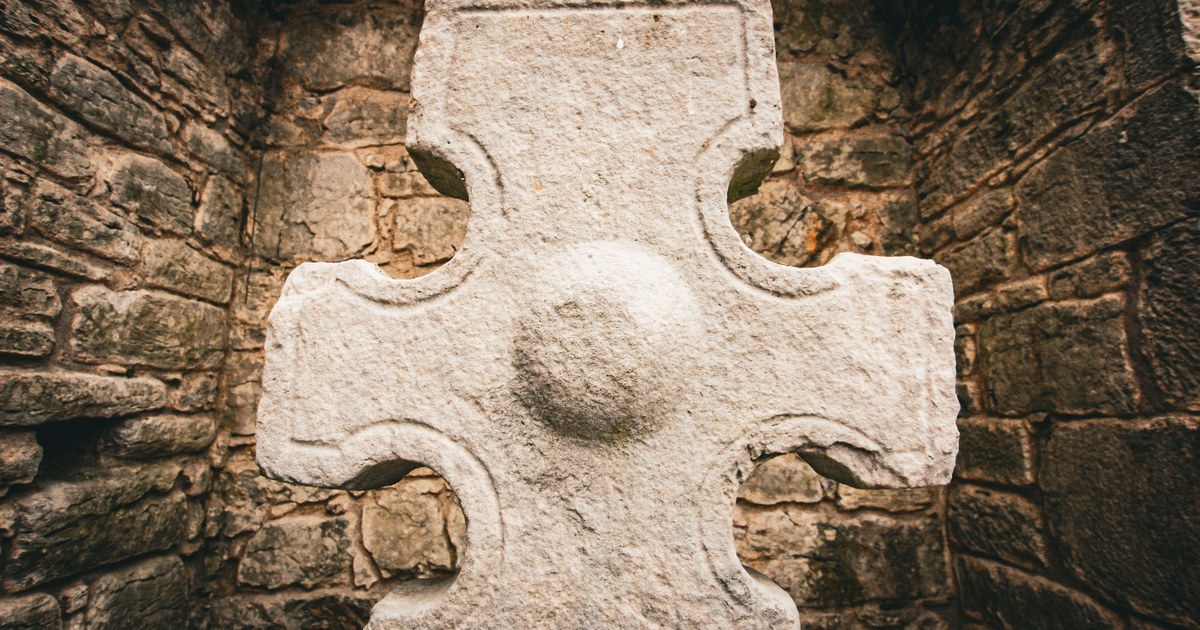
About 10 kilometres north of Drogheda, the monastic site of Monasterboice holds some of the finest early Christian high crosses in the world. The monastery was founded in the 5th century by St Buithe, a disciple of St Patrick. Its two great high crosses — Muiredach’s Cross and the West Cross — are extraordinary works of stone carving.
Muiredach’s Cross stands 5.5 metres tall and dates to around 922 AD. Its panels depict biblical scenes — the Last Judgement, the Crucifixion, Moses striking water from the rock — with a precision that still astonishes art historians today. The West Cross is even taller at 6.5 metres, making it one of the tallest high crosses in Ireland. Both crosses stand in a small graveyard beside a 30.5-metre round tower. Entry is free and the site is open year-round. For more on Ireland’s ancient carved monuments, read about the ancient monuments that have stood in Irish fields since before the pyramids. Official info: en.wikipedia.org/wiki/Monasterboice.
The Battle of the Boyne Visitor Centre
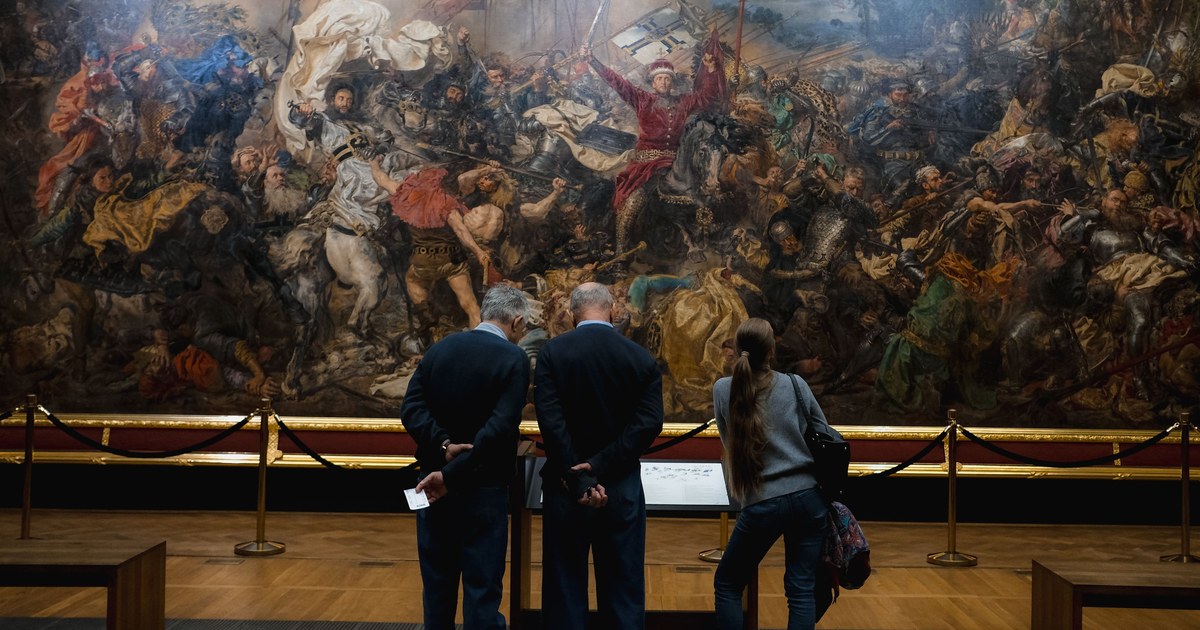
The Battle of the Boyne was fought on 1 July 1690 on the banks of the River Boyne, near the village of Oldbridge. The river here forms the boundary between Louth and Meath. William III (William of Orange) defeated his father-in-law James II in a battle that determined the future of the British monarchy and shaped Irish history for centuries.
The Oldbridge Estate, now managed by the Office of Public Works, covers 1,200 acres of historic battlefield. The visitor centre tells the story of both sides in detail, with replica weapons, battle re-enactment programmes, and an impressive collection of period artefacts. The parkland walk along the Boyne is beautiful at any time of year. Adult entry costs €5. The site is located about 6 kilometres west of Drogheda.
☘️ Enjoying this? 64,000+ Ireland lovers get stories like this every week.
Thinking about it for retirement?
If you’ve started thinking seriously about retiring there, our complete our full Retire in Ireland guide covers the visa, healthcare, cost-of-living, and the regions worth shortlisting.
Subscribe free →
Carlingford: Ireland’s Best-Preserved Medieval Town
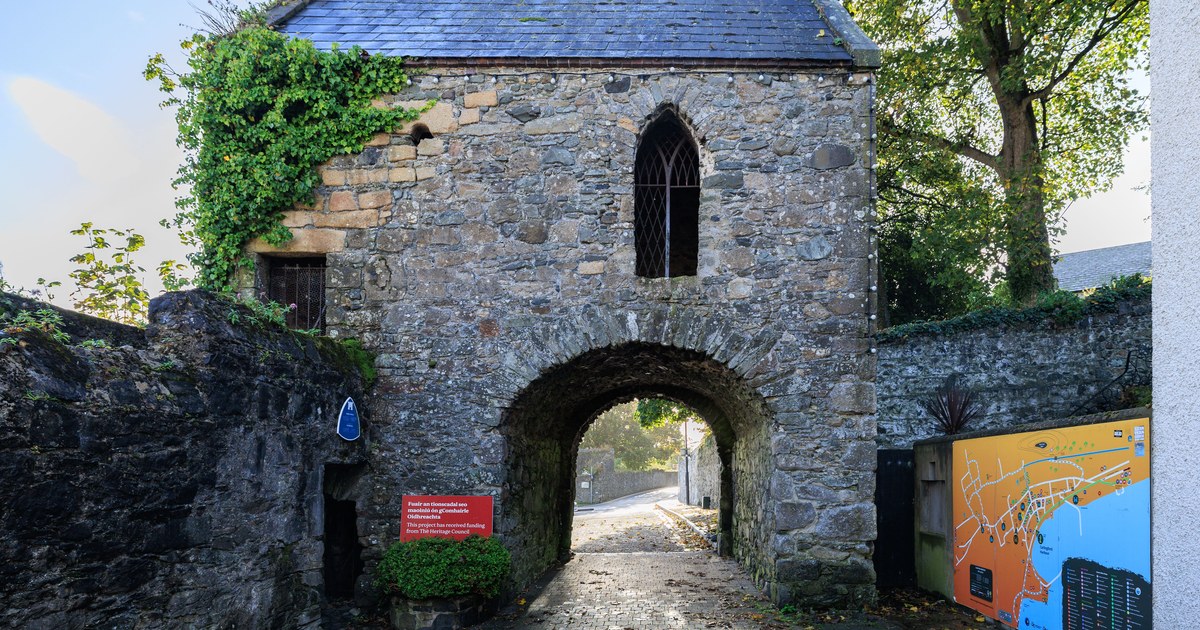
Carlingford is the jewel of County Louth. This small walled medieval town sits on the southern shore of Carlingford Lough, with the Cooley Mountains rising steeply behind it and the Mourne Mountains of Northern Ireland across the water. It is the kind of place where you want to slow down and stay for longer than planned. Official info: en.wikipedia.org/wiki/Carlingford.
King John’s Castle
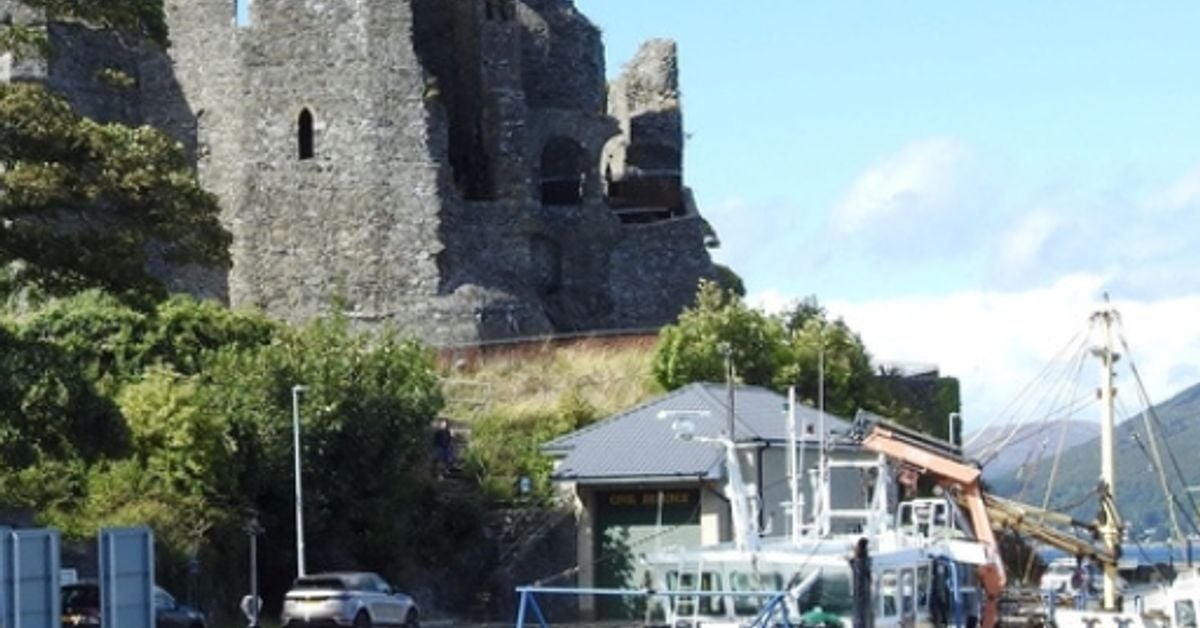
King John’s Castle dominates the northern edge of the town from a rocky headland above the harbour. Anglo-Norman settlers built the castle’s west wing in the late 12th century, with the eastern wing added around 1261 to control the lough and the trade routes through it. Despite its name, King John of England never visited — the attribution is a later addition. The castle is not open for interior visits, but its exterior is dramatic and the views from the harbour below are outstanding. This is also one of the best spots to photograph the Mourne Mountains reflected in the water of the lough.
The Mint, the Tholsel, and the Medieval Walls
Carlingford’s medieval core is remarkably intact. The Mint is a 15th-century fortified merchant’s house on the main street, its façade still decorated with carved limestone panels. The Tholsel, a medieval gateway, stands at the top of the town and once served as a toll gate and meeting place. Walk the surviving sections of the old town walls for elevated views over the rooftops and the lough below.
Carlingford is also one of Ireland’s best spots for fresh oysters. The cold, clean waters of the lough produce oysters that are harvested year-round. Try them at one of the waterfront restaurants — the Oystercatcher Bistro is a local favourite. The Carlingford Oyster Festival takes place each August and draws visitors from across Ireland.
Walking the Cooley Peninsula
The Cooley Peninsula rises behind Carlingford to heights of over 500 metres. Several looped walks start from the town, including the Táin Trail, a long-distance route of approximately 40 kilometres that circles the full peninsula. Shorter walks climb through forestry and farmland to give sweeping views over Carlingford Lough and the Mournes. The peninsula is also associated with the great Irish epic, the Táin Bó Cúailnge (The Cattle Raid of Cooley), one of the oldest vernacular narratives in Western Europe.
Proleek Dolmen: A Neolithic Giant
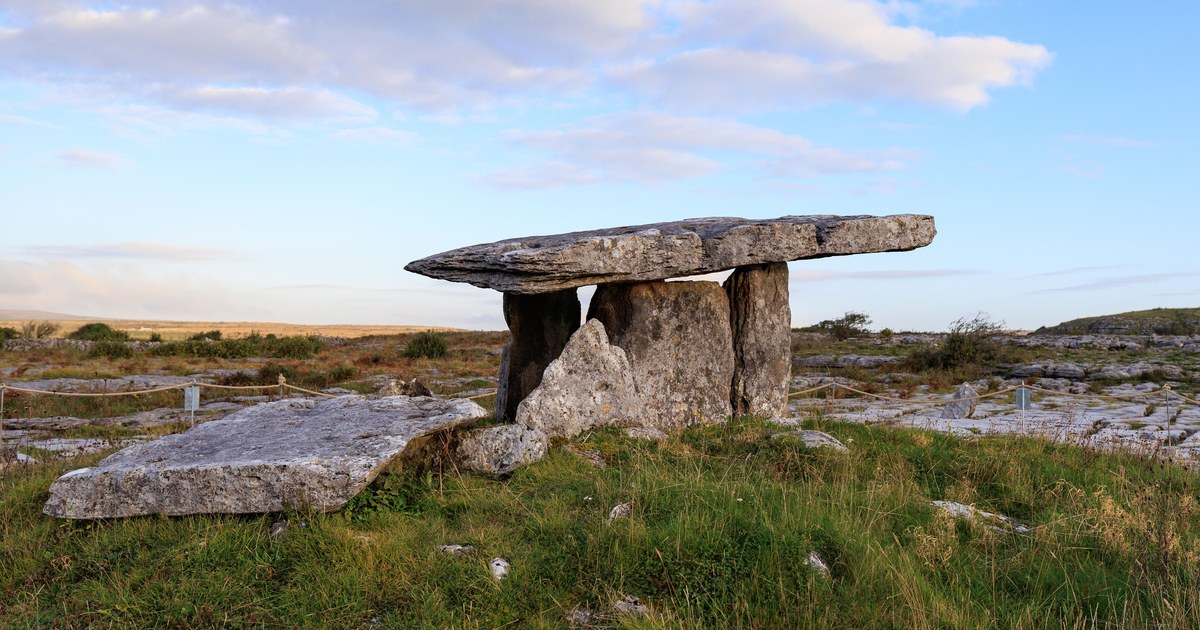
On the grounds of the Ballymascanlon Hotel, just north of Dundalk, stands one of the most impressive portal dolmens in Ireland. The Proleek Dolmen dates to around 4000 BCE. Its massive capstone is estimated to weigh approximately 35 tonnes and rests on three upright stones. It is a remarkable piece of Neolithic engineering — how ancient people moved and balanced stones of this size with no machinery remains an open question. Entry is free and the dolmen is a short walk from the hotel car park. Official info: en.wikipedia.org/wiki/Proleek_Dolmen.
Dundalk and the Legends of Cú Chulainn
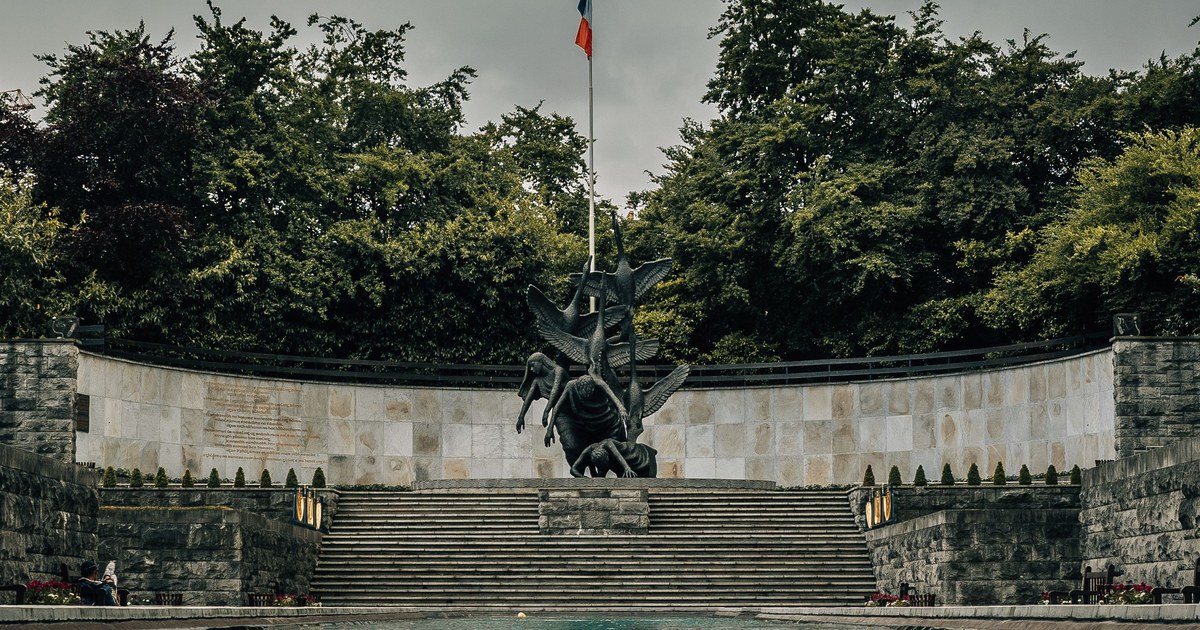
Dundalk is Louth’s commercial capital and sits about 85 kilometres north of Dublin. The town has deep connections to Cú Chulainn, the great hero of Irish mythology, whose legendary exploits take place on the Cooley Peninsula and the plains of Louth. The Dundalk Museum, housed in a 19th-century building, covers the town’s long history from its medieval origins to its 20th-century role as a border town during the Troubles.
To the north of Dundalk lies Faughart, a hill village that tradition identifies as the birthplace of St Brigid around 451 AD. The Faughart Shrine and graveyard draw visitors throughout the year, particularly around St Brigid’s Day on 1 February. The site also contains the reputed grave of Edward Bruce, brother of Robert the Bruce of Scotland, who was killed at the Battle of Faughart in 1318.
If you enjoy exploring Ireland’s hidden gems, our guide to the best things to do in County Tipperary is worth reading too, and our Wexford guide covers another corner of Ireland’s Ancient East.
When to Visit County Louth
Louth is worth visiting year-round, but the best months are May to September. Summer brings long evenings and the warmest temperatures, averaging around 17°C in July. The Carlingford Oyster Festival in August is one of the best local events in the country. Winter visits have their own appeal — Monasterboice’s high crosses look dramatic on a clear cold morning, and Carlingford is quieter and atmospheric from November through February.
Rain is possible in any month, so pack a light waterproof layer. The Cooley Peninsula walks can be muddy after wet weather, so good boots are recommended for the mountain trails.
How to Get to County Louth
County Louth sits directly on the main Dublin to Belfast corridor and is easy to reach from both cities. Drogheda is just 48 kilometres north of Dublin city centre. Enterprise trains run frequently between Dublin Connolly and Drogheda, with the journey taking around 35 minutes. From Belfast, the same line stops at Drogheda in around 1 hour 35 minutes.
Carlingford is about 100 kilometres from Dublin and requires a car or a bus connection via Dundalk. Bus Éireann runs regular services from Dublin to Dundalk. Local buses connect Dundalk to Carlingford, though driving gives you the flexibility to explore the Cooley Peninsula properly. If you are coming from Dublin by car, the M1 motorway takes you to the Drogheda exits in under an hour.
Things to Do in Louth: Practical Tips and Planning
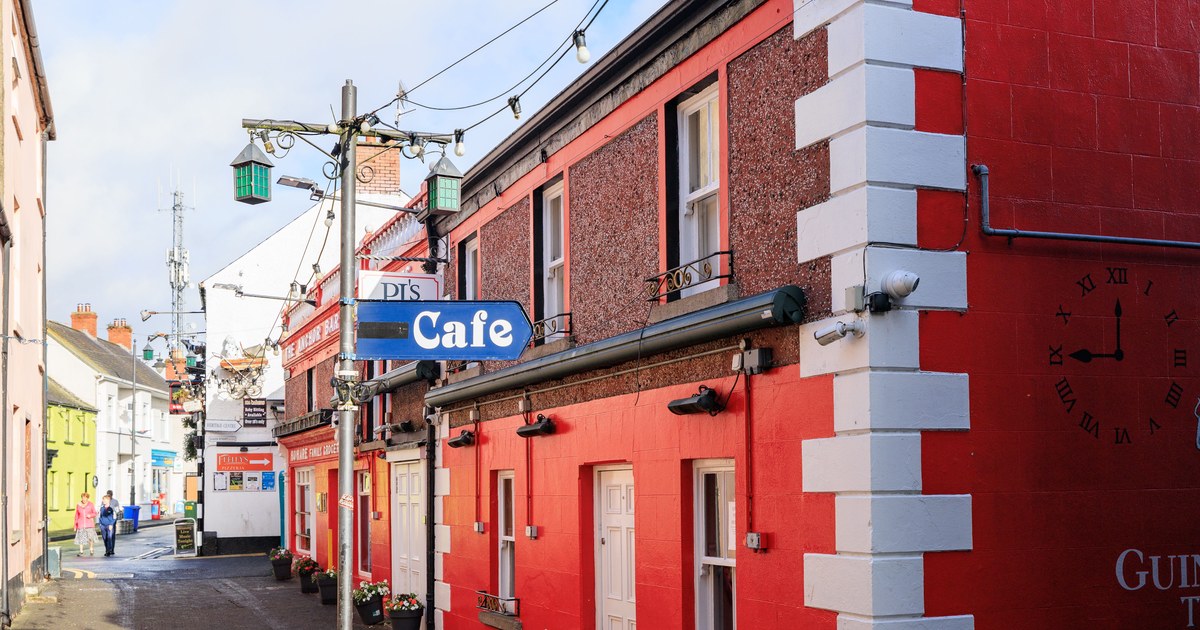
Most of Louth’s main attractions are free or low-cost. Monasterboice, St Laurence Gate, and Proleek Dolmen all have no entry fee. The Battle of the Boyne and Millmount Museum each charge around €5 for adults. Carlingford’s medieval streets are free to explore at any time.
Accommodation in Carlingford is in high demand during summer weekends, so book ahead if you plan to stay overnight. Drogheda has a wider range of hotels, guesthouses, and self-catering options at all price points. Dundalk is the most practical base if you are exploring the full county by car.
Louth is best explored over two to three days. A single day can cover Drogheda’s highlights, but Carlingford and the Cooley Peninsula deserve at least a full day of their own. Factor in time to simply sit at the waterfront and look at the Mournes — that view alone is worth the trip.
What is the best thing to do in County Louth?
The medieval town of Carlingford is the highlight of County Louth for most visitors. Its 13th-century castle, intact medieval streetscape, and setting on Carlingford Lough make it one of the most beautiful small towns in Ireland. The Monasterboice high crosses are a close second and are considered among the finest early Christian carvings in Europe.
How far is County Louth from Dublin?
Drogheda, Louth’s largest town, is approximately 48 kilometres north of Dublin city centre. By train it takes around 35 minutes. Carlingford is about 100 kilometres from Dublin and is best reached by car, allowing you to explore the scenic Cooley Peninsula along the way.
Is County Louth worth visiting?
Absolutely. County Louth is often overlooked in favour of Kerry or Connemara, but it offers a remarkable concentration of medieval heritage, early Christian monuments, and natural scenery. Carlingford, Monasterboice, the Battle of the Boyne site, and Drogheda’s historic centre can all be visited in a two-day trip from Dublin, making Louth one of the most rewarding short breaks in Ireland.
When is the best time to visit Carlingford, Louth?
May through September offers the best weather and the longest daylight hours for exploring Carlingford and the Cooley Peninsula. August is particularly lively, with the annual Oyster Festival drawing large crowds to the town. For a quieter visit with dramatic winter light on the lough and mountains, November through February has its own appeal.
☘️ Your Irish family has a story waiting to be found.
Discover where your Irish ancestors came from — their county, their name, their story. Our free step-by-step guide walks you through every record, DNA tool, and ancestry archive. No experience needed.
Get the free guide
Enter your email and we will send you straight to the download.
📲 Know someone who’d love this? Share on WhatsApp →
Love more? Join 43,000 Scotland lovers → · Join 29,000 Italy lovers → · Join 7,000 France lovers →
Free forever · Unsubscribe anytime
Tours & experiences you might love


Powered by Viator. Some links are affiliate links — we may earn a small commission at no extra cost to you.
Secure Your Dream Irish Experience Before It’s Gone!
Planning a trip to Ireland? Don’t let sold-out tours or packed attractions spoil your journey. Iconic experiences like visiting the Cliffs of Moher, exploring the Rock of Cashel, or enjoying a guided walk through Ireland’s ancient past often sell out quickly—especially during peak travel seasons.

Booking in advance guarantees your place and ensures you can fully immerse yourself in the rich culture and breathtaking scenery without stress or disappointment. You’ll also free up time to explore Ireland’s hidden gems and savour those authentic moments that make your trip truly special.
Make the most of your journey—start planning today and secure those must-do experiences before they’re gone!
Subscribe Free