

Try the Guinness Timer ⏱️
A perfect pour takes 119.5 seconds — the rest, two minutes, gives the stout time to settle. Time your own pint and see if you wait long enough.
Guinness Brown Bread Recipe: A Dark, Malty Loaf Straight from the Irish Hearth
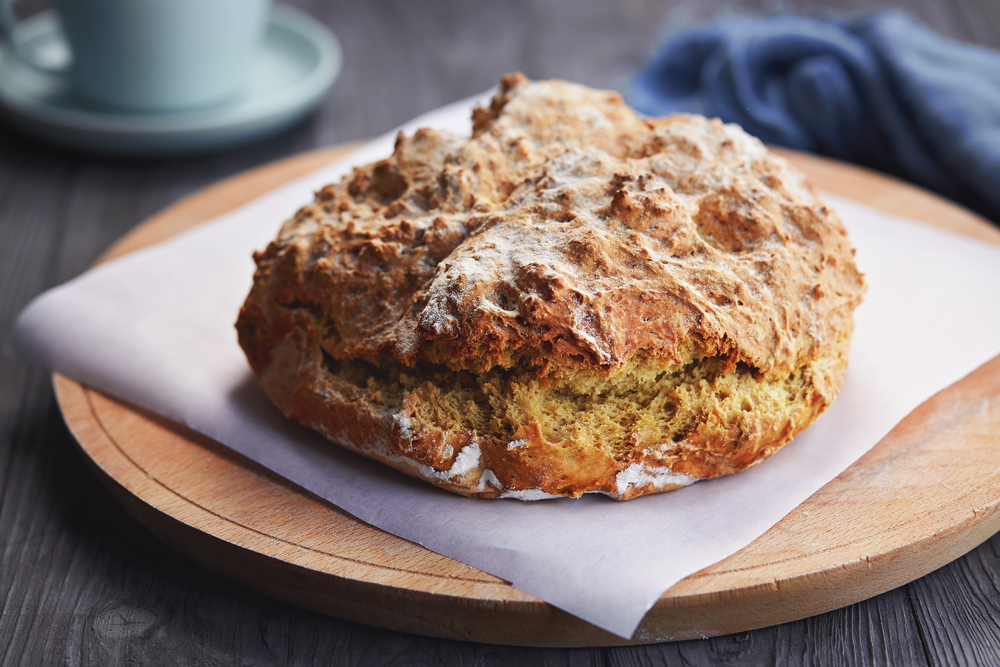
There are few smells more welcoming in an Irish home than a wholemeal loaf just out of the oven, its crust cracking gently as it cools on the rack. Brown bread has been a cornerstone of Irish daily life for generations — long before sourdough became fashionable or artisan bakeries lined every high street. It was the bread of farmhouse kitchens, of bed-and-breakfast tables laden with butter and marmalade, of fishermen’s lunches wrapped in cloth and tucked beside a flask of tea. Simple, sustaining, and deeply honest, it asks very little of the baker and gives back an enormous amount.
What makes this particular version so special is the addition of Guinness stout and a spoonful of treacle — two ingredients that feel almost inevitable once you taste the result. Ireland’s most famous export lends the loaf a subtle bitterness and a rich, malty depth that plain water simply cannot replicate, while the treacle adds just a whisper of dark sweetness and helps give the crumb its characteristically deep brown colour. This is not a yeast bread; it is a soda bread at heart, raised by the reaction between bicarbonate of soda and the natural acidity in buttermilk. That means no kneading, no proving, no waiting — just mixing and baking, which is exactly how the Irish countryside liked it.
You will find a version of this loaf on the breakfast table of nearly every good guesthouse from the Aran Islands to the Antrim coast. It is the bread that arrives alongside smoked salmon, that gets torn apart to mop up a bowl of seafood chowder, and that reappears the next morning, sliced thick and toasted, with a generous spread of salted butter. It is, in the very best way, completely ordinary and completely irreplaceable.
Ingredients
- 350g (12oz) wholemeal flour (stoneground if you can find it)
- 100g (3½oz) plain white flour
- 1 tsp bicarbonate of soda
- 1 tsp fine sea salt
- 1 tbsp soft dark brown sugar
- 1 tbsp treacle (black treacle or molasses)
- 25g (1oz) butter, cold and cubed
- 200ml (7fl oz) Guinness stout, at room temperature
- 200ml (7fl oz) buttermilk
- 1 large egg
Join 169,000 Ireland lovers ☘️
Get weekly Irish recipes, hidden gems and heritage stories — free every weekday.
Method
- Preheat your oven to 200°C (180°C fan) / 400°F / Gas Mark 6. Grease a 900g (2lb) loaf tin generously with butter and dust lightly with wholemeal flour, tapping out any excess.
- In a large mixing bowl, combine the wholemeal flour, plain flour, bicarbonate of soda, salt, and brown sugar. Stir well so everything is evenly distributed.
- Rub the cold butter into the flour mixture using your fingertips until it resembles rough, slightly damp breadcrumbs. Do not overwork it.
- In a jug, whisk together the Guinness, buttermilk, egg, and treacle until the treacle has fully dissolved into the liquid. The mixture will be dark and slightly frothy.
- Pour the wet ingredients into the dry and stir with a wooden spoon or spatula until just combined into a thick, wet batter. It should be too loose to knead — this is correct. Do not overmix.
- Pour and scrape the batter into the prepared loaf tin and level the surface gently with the back of a wet spoon. If you like, scatter a pinch of rolled oats or seeds over the top for texture.
- Bake in the centre of the preheated oven for 45–50 minutes. The loaf is ready when it is deeply browned, has risen and cracked along the top, and a skewer inserted into the centre comes out clean. If the top is browning too quickly, lay a loose sheet of foil over it for the final 10 minutes.
- Turn the loaf out of the tin and tap the base — it should sound hollow. Place it upright on a wire rack and leave it to cool for at least 30 minutes before slicing. Cutting too soon will leave the crumb gummy in the centre.
Tips
- Room temperature Guinness matters. A cold stout from the fridge can tighten the batter and slow the rise; let it sit out for twenty minutes before you begin.
- Do not be tempted to knead. This is a batter loaf, not a dough. Over-stirring will toughen it.
- Treacle can be sticky and stubborn. Measure it into a spoon that you have first dipped in hot water — it will slide off cleanly.
- Leftovers make extraordinary toast. Slice the next day, toast until the edges catch slightly, and serve with smoked butter or good sharp cheddar.
- The loaf freezes beautifully. Slice it before freezing and you can pull out individual pieces as needed.
There is something quietly joyful about making this bread — it takes less than an hour from bowl to table, yet it tastes as though it has taken considerably longer. The Guinness gives it a complexity that surprises people the first time they try a slice, and the crumb is tender and moist in a way that keeps it good for several days. Whether you bake it to bring a little piece of Ireland into your own kitchen, or you have come home from a trip across the water and are already missing those guesthouse breakfasts, this loaf is the perfect edible memory to make again and again. If you enjoyed this bake, try our soda farl recipe or another stout-based classic, our Porter Cake, and see what else pairs perfectly with a warm loaf of soda bread.
Brown bread has been baked in Irish homes for generations — and the tradition travelled with Irish emigrants to every corner of the world. If your family has Irish heritage, they almost certainly baked a version of this bread in the county they came from. Our free Irish Ancestral Heritage Guide helps you trace which county and townland your family called home before emigrating. Discover your ancestral Irish county — free.
☘️ Join 64,000+ Ireland Lovers
Every weekday morning, get Ireland’s hidden gems, local secrets, and travel inspiration — the kind you won’t find in any guidebook.
Subscribe free — enter your email:
📲 Know someone who’d love this? Share on WhatsApp →
Free forever · Unsubscribe anytime
Tours & experiences you might love


Powered by Viator. Some links are affiliate links — we may earn a small commission at no extra cost to you.
Secure Your Dream Irish Experience Before It’s Gone!
Planning a trip to Ireland? Don’t let sold-out tours or packed attractions spoil your journey. Iconic experiences like visiting the Cliffs of Moher, exploring the Rock of Cashel, or enjoying a guided walk through Ireland’s ancient past often sell out quickly—especially during peak travel seasons.

Booking in advance guarantees your place and ensures you can fully immerse yourself in the rich culture and breathtaking scenery without stress or disappointment. You’ll also free up time to explore Ireland’s hidden gems and savour those authentic moments that make your trip truly special.
Make the most of your journey—start planning today and secure those must-do experiences before they’re gone!