

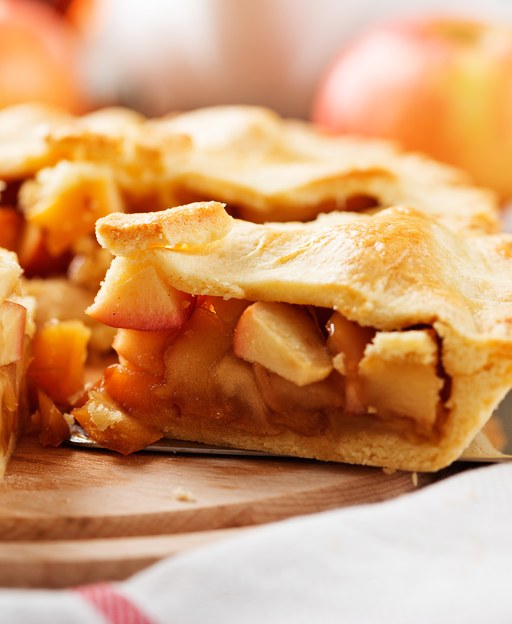
In 1884 a man named Nicholson bought sixty young Bramley apple trees and brought them to County Armagh. Within forty years the Bramley was the main apple of the county, and today “Armagh Bramley” is a protected name. This is the story of how one cooking apple became the taste of County Armagh, why it suits an Irish apple tart, and how to bake the tart.
Want more real Irish kitchen recipes? ☘️
Our free guide, 10 Real Irish Recipes, starts with beef and Guinness pie: the real thing, step by step.
Sixty seedlings in 1884
Two sources tell it the same way. Visit Armagh says the Bramley “did not arrive in the area until 1884”, when Mr Nicholson of Cranagill brought sixty seedlings to County Armagh (Visit Armagh). The product specification for the Armagh Bramley, filed with the UK government, says Mr Nicholson bought 60 Bramley seedlings from Henry Merryweather and introduced them to Northern Ireland (Armagh Bramley Apple specification).
It did not take long. Both sources say that by 1921 the Bramley was the principal variety of apple grown in Armagh, and Visit Armagh says it accounts for about 90 percent of the apples grown and processed there today.
The Orchard County was an orchard long before
☘️ Join 64,000+ Ireland Lovers
Every weekday morning, get Ireland’s hidden gems, local secrets, and travel inspiration — the kind you won’t find in any guidebook.
Subscribe free — enter your email:
Free forever · Unsubscribe anytime
Armagh did not need the Bramley to be an apple county. The specification says apples have grown there for 3,000 years, and that St Patrick is said to have planted an apple tree at Ceangoba, an ancient settlement east of Armagh. Visit Armagh adds that a large apple believed to date from about 1000 BC was found in excavations at Navan Fort, near Armagh.
What the protected name means
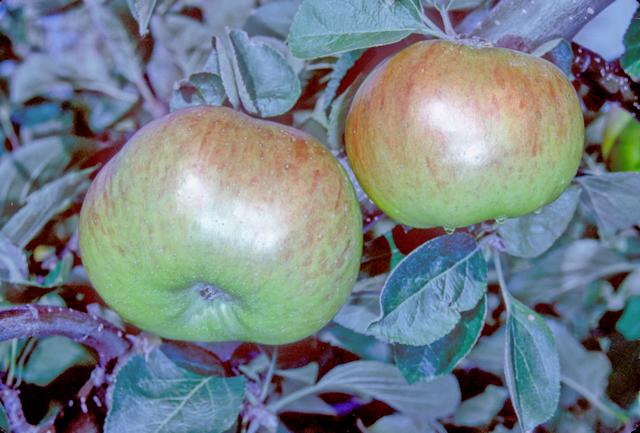
“Armagh Bramley Apples” is a protected geographical indication. It was entered in the European register by Commission Implementing Regulation (EU) No 185/2012 of 7 March 2012, where it appears in the list as “Armagh Bramley Apples (PGI)” (legislation.gov.uk). The specification says the name is given to Bramley apples grown in a defined area: the traditional apple-growing parishes of the Archdiocese of Armagh in Northern Ireland, covering the counties of Armagh and Tyrone and part of County Londonderry.
It also describes the apple: large (60 to 120 mm across), with firm, moist white flesh that has a tinge of green, a tangy flavour, and a texture and taste that hold when it is cooked. The apples are picked by hand between early September and late October.
Why a Bramley makes the tart
That last point is why the apple matters in the kitchen. The specification calls the Bramley “high in malic acid and low in sugar”, which is why it keeps its strong, tangy flavour while it cooks, and says the Armagh Bramley is firmer, so it holds its texture longer in the oven. That is the apple you want under a pastry lid: sharp enough to need the sugar sprinkled over it, and firm enough to keep its taste and texture in the oven.
Visiting in blossom time
If you visit, the specification names two dates in the local calendar: Apple Blossom Sunday, the last Sunday in May, when the orchards are “a sea of pink and white flowers”, and an apple festival in October. Visit Armagh also describes the pink blossom blanketing the landscape each May. For more on the county, read our guide to County Armagh, the Orchard County.
How to make an Irish apple tart (serves 8)
This is our own tested recipe. Use Bramleys if you can find them, or another firm cooking apple. Granny Smith is the usual stand-in in the US.
Ingredients
- 225 g plain flour
- 125 g cold butter, cubed
- 5-6 tbsp ice-cold water, added a little at a time
- 650-700 g Bramley cooking apples, weighed after peeling and coring (3-4 large apples)
- 2 tbsp cornflour
- 4-6 tbsp sugar (use the higher amount for Bramleys)
- 1 egg, beaten, for glazing (optional; milk also works)
Method
- Sift the flour into a large bowl. Rub in the cold butter with your fingertips until it looks like fine breadcrumbs, working quickly so the butter stays cold.
- Add the ice-cold water a spoonful at a time, mixing with a table knife, until the dough forms clumps. Press it gently into a ball, wrap and chill for about 1 hour.
- Heat the oven to 190°C (170°C fan) / 375°F / Gas 5 and put a baking tray in to heat. Butter the pie plate.
- Peel, core and slice the apples thinly, then toss them with the cornflour.
- Cut the pastry into two pieces, one a little larger. On a floured surface, roll the larger piece to about 3 mm thick, lifting and turning it as you go, and line the plate. Prick the base with a fork.
- Pile the apples onto the base and sprinkle over the sugar. Brush the pastry rim with water.
- Roll out the second piece and lay it over the apples. Trim, press the edges together with a fork, and cut two or three slits in the top so steam can escape. Brush with beaten egg or milk.
- Set the tart on the hot baking tray and bake for 10 minutes. Turn the oven down to 180°C (160°C fan) / 350°F / Gas 4 and bake for another 25-35 minutes, until the pastry is golden and the apples feel soft when you push a skewer through a slit.
- Leave for 10 minutes before cutting. Serve warm with softly whipped cream or ice cream.
More apple bakes from our kitchen: our full traditional Irish apple tart, a Kerry apple cake and an Irish autumn apple crumble.
Want more real Irish kitchen recipes? ☘️
Get our free Irish cooking recipes, 10 real recipes for home cooks, wherever you live.
Do you bake your apple tart with Bramleys, or another apple?
Sources
- Loughgall apples, Visit Armagh
- Armagh Bramley Apple: product specification summary, UK government (Defra)
- Commission Implementing Regulation (EU) No 185/2012, legislation.gov.uk
Checked November 2026.
Tours & experiences you might love


Powered by Viator. Some links are affiliate links — we may earn a small commission at no extra cost to you.
Secure Your Dream Irish Experience Before It’s Gone!
Planning a trip to Ireland? Don’t let sold-out tours or packed attractions spoil your journey. Iconic experiences like visiting the Cliffs of Moher, exploring the Rock of Cashel, or enjoying a guided walk through Ireland’s ancient past often sell out quickly—especially during peak travel seasons.

Booking in advance guarantees your place and ensures you can fully immerse yourself in the rich culture and breathtaking scenery without stress or disappointment. You’ll also free up time to explore Ireland’s hidden gems and savour those authentic moments that make your trip truly special.
Make the most of your journey—start planning today and secure those must-do experiences before they’re gone!