

In the 1880s, Irish whiskey was the most celebrated spirit on the planet. More than 1,000 distilleries were producing it across Ireland, and bottles were flying off shelves from Boston to Brisbane. Within a century, almost every one of those distilleries had closed. The story of what happened — and how Irish whiskey clawed its way back — is one of the most dramatic reversals in the history of food and drink.
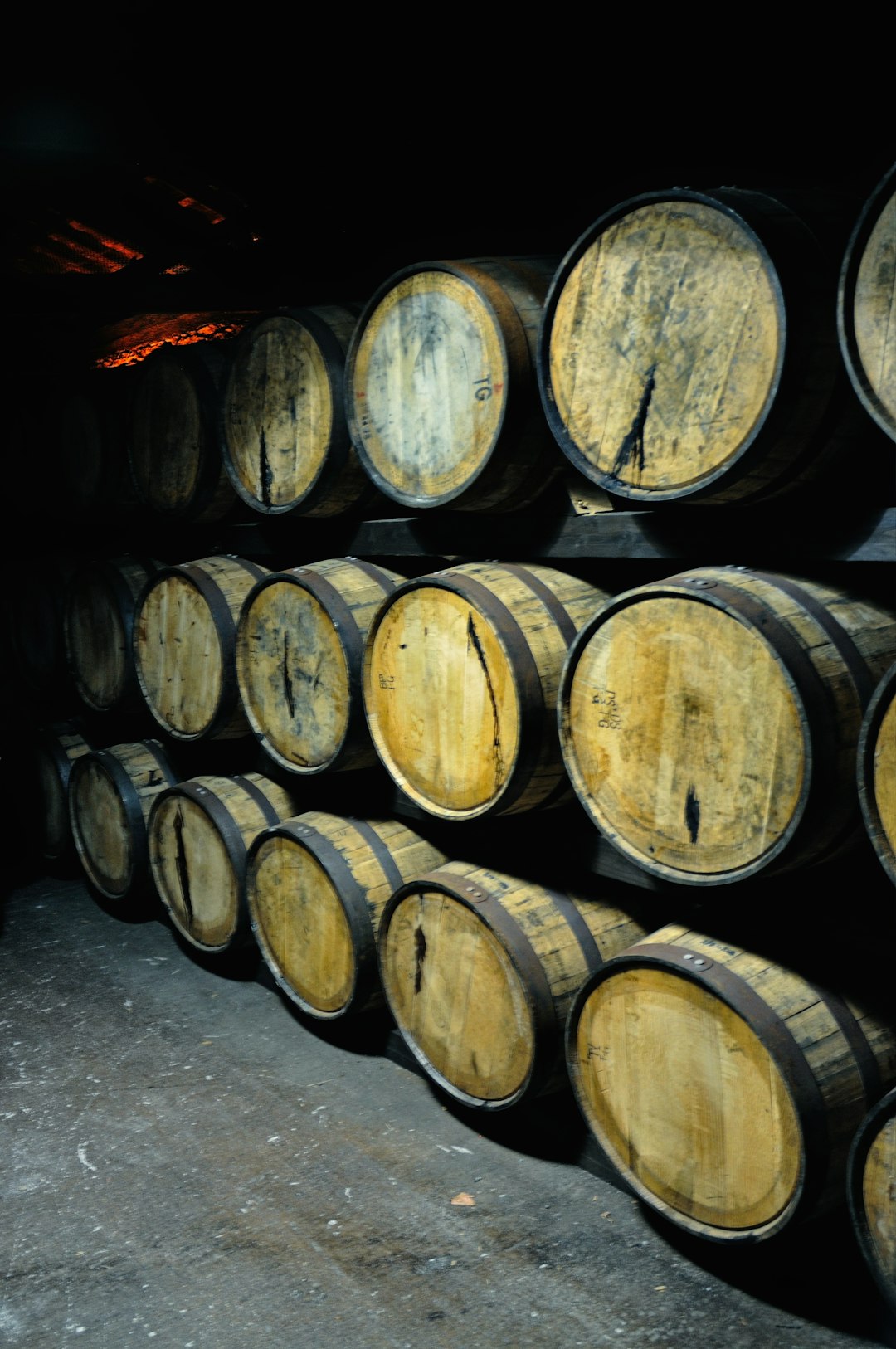
The word ‘whiskey’ comes from the Irish uisce beatha — ‘the water of life’. Monks are believed to have been distilling grain spirits in Ireland since at least the 12th century, with the oldest documented reference dating to 1405, centuries before whiskey became a global commercial phenomenon.
The Golden Age That Most People Have Forgotten
By the mid-19th century, Irish whiskey had conquered the world’s most important spirits market: the United States of America. Irish distilleries — Jameson, Power’s, Roe’s of Thomas Street — were producing smooth, triple-distilled whiskey that Americans simply preferred to anything else.
Dublin alone had enough distilling capacity to supply an empire. George Roe’s distillery on Thomas Street was, at one point, the largest distillery in the world. The golden liquid flowing from Irish stills accounted for the majority of whiskey consumed in the English-speaking world.
Triple distillation was the Irish signature. Running the spirit through the still three times rather than two produced a smoother, lighter whiskey — less peat, less smoke, less abrasion. It was considered the refined option. The gentlemen’s choice.
The Perfect Storm That Brought It Down
Several blows landed at once, each one catastrophic on its own. Together, they were devastating.
First came the temperance movement of the late 1800s, which cut consumption sharply at home and abroad. Then came American Prohibition in 1920, which effectively closed Ireland’s largest export market overnight. Thirteen years of Prohibition didn’t just pause sales — it handed the market to bootleggers and, crucially, to Canadian and Scotch blends that were easier to produce cheaply at scale.
Then came the most brutal blow of all. Irish independence in 1922 triggered a trade war with Britain. In a single political stroke, Ireland lost preferential access to every market within the British Empire — Australia, Canada, India, South Africa. Markets that had been buying Irish whiskey for generations simply switched to Scotch.
The Scots had been watching all of this and had quietly prepared. They offered blended whisky — light, consistent, cheap — that could be produced by the tanker-load. It wasn’t better than Irish. It was just available, and the price was right.
By the 1960s, the damage was complete. Distillery after distillery had closed. In 1966, the last Irish survivors — Jameson, Power’s, and Cork Distilleries — merged into a single company, Irish Distillers Ltd, simply to survive. The entire production of whiskey in the Republic of Ireland was concentrated into two ageing facilities.
The Last Two Standing
☘️ Love Irish Food & Culture?
Every Wednesday, we send our best Irish recipes, food stories, and kitchen traditions straight to your inbox. Join 64,000+ readers who love Ireland.
In 1975, Irish Distillers opened the Midleton Distillery in County Cork — a state-of-the-art facility designed to produce every major Irish whiskey brand under one roof. It was an act of efficiency born from desperation.
Bushmills, in County Antrim, continued operating independently in Northern Ireland. Two buildings. That was it. That was the entirety of Irish whiskey.
In 1988, Pernod Ricard acquired Irish Distillers. Some saw it as a sell-out. Others recognised it as the investment that saved the spirit. Pernod had the global distribution networks that Irish whiskey desperately needed. If you’ve had a bottle of Jameson in an airport bar anywhere in the world, that network is why.
If you’re curious about the equally dramatic story of another Irish spirit that spent centuries dodging the law, the history of Irish poitín is just as gripping.
The Fastest Growing Spirit in the World
The revival, when it came, was breathtaking in its speed.
Cooley Distillery in County Louth opened in 1987 — the first independent Irish distillery in decades. It was met with scepticism and, for a while, legal battles. But it proved there was an appetite.
By 2010, global Irish whiskey sales stood at around 5 million cases a year. By 2023, that figure had more than doubled to over 13 million. Ireland now has more than 40 active distilleries, with new ones opening every year in counties that hadn’t seen a still in over a century.
Teeling in Dublin. Slane in County Meath. Waterford Distillery, revolutionising the idea of terroir in Irish whiskey. The revival isn’t just commercial — it’s a cultural statement. Ireland is reclaiming something that was nearly taken from it entirely.
If you’d like to explore which Irish whiskeys are most loved by those who know Ireland best, the community has strong opinions worth reading before your next visit.
The ‘e’ That Tells the Whole Story
There’s one small detail that carries more history than most people realise. Irish whiskey — and American bourbon — spell it with an ‘e’. Scottish, Canadian, and Japanese producers do not.
The story goes that Irish distillers added the ‘e’ in the 19th century specifically to distinguish their product from the cheaper, blended Scotch flooding the market. It was a mark of quality. A badge of defiance. A way of saying: this is not that.
Whether that origin story is entirely accurate is debated by whiskey historians. What isn’t debated is that the distinction stuck — and that it still carries weight in a pub when you order by name.
A Spirit Worth Savouring Differently
Today, an Irish distillery visit is one of the finest days you can spend in Ireland. Whether it’s the Old Jameson Distillery in Dublin, the Midleton Distillery Experience in Cork, or the newer wave of craft producers in the west, the stories these places carry are extraordinary. Planning a trip south? Visit Cork’s Midleton Distillery and see where Ireland’s whiskey survived its leanest years.
You’re not just tasting whiskey. You’re tasting a spirit that nearly disappeared, kept alive by stubbornness and slow belief, and now standing taller than it has in a century.
If you’re planning a trip to Ireland and want to build in a distillery experience, start here for everything you need to plan your trip.
Sláinte.
Love Ireland? So do 65,000 of us.
Join the Love Ireland newsletter — free stories of Irish heritage, hidden gems, and the magic of the Emerald Isle delivered to your inbox.
☘️ Get More Irish Recipes & Stories
Join 64,000+ readers for weekly Irish recipes, food traditions, travel guides, and hidden gems. Free every morning.
📥 Free Download: Ireland Travel Planning Guide
Our most popular resource — itineraries, insider tips, and the 50 places you must not miss.
Tours & experiences you might love


Powered by Viator. Some links are affiliate links — we may earn a small commission at no extra cost to you.
Secure Your Dream Irish Experience Before It’s Gone!
Planning a trip to Ireland? Don’t let sold-out tours or packed attractions spoil your journey. Iconic experiences like visiting the Cliffs of Moher, exploring the Rock of Cashel, or enjoying a guided walk through Ireland’s ancient past often sell out quickly—especially during peak travel seasons.

Booking in advance guarantees your place and ensures you can fully immerse yourself in the rich culture and breathtaking scenery without stress or disappointment. You’ll also free up time to explore Ireland’s hidden gems and savour those authentic moments that make your trip truly special.
Make the most of your journey—start planning today and secure those must-do experiences before they’re gone!