

Most people know about the banshee — the wailing spirit who announces death in Irish legend. But there is another creature that makes even the banshee fall quiet. The Dullahan. No wail, no warning. Just the sound of hooves in the darkness, and then your name spoken aloud.
Who — or What — Is the Dullahan?
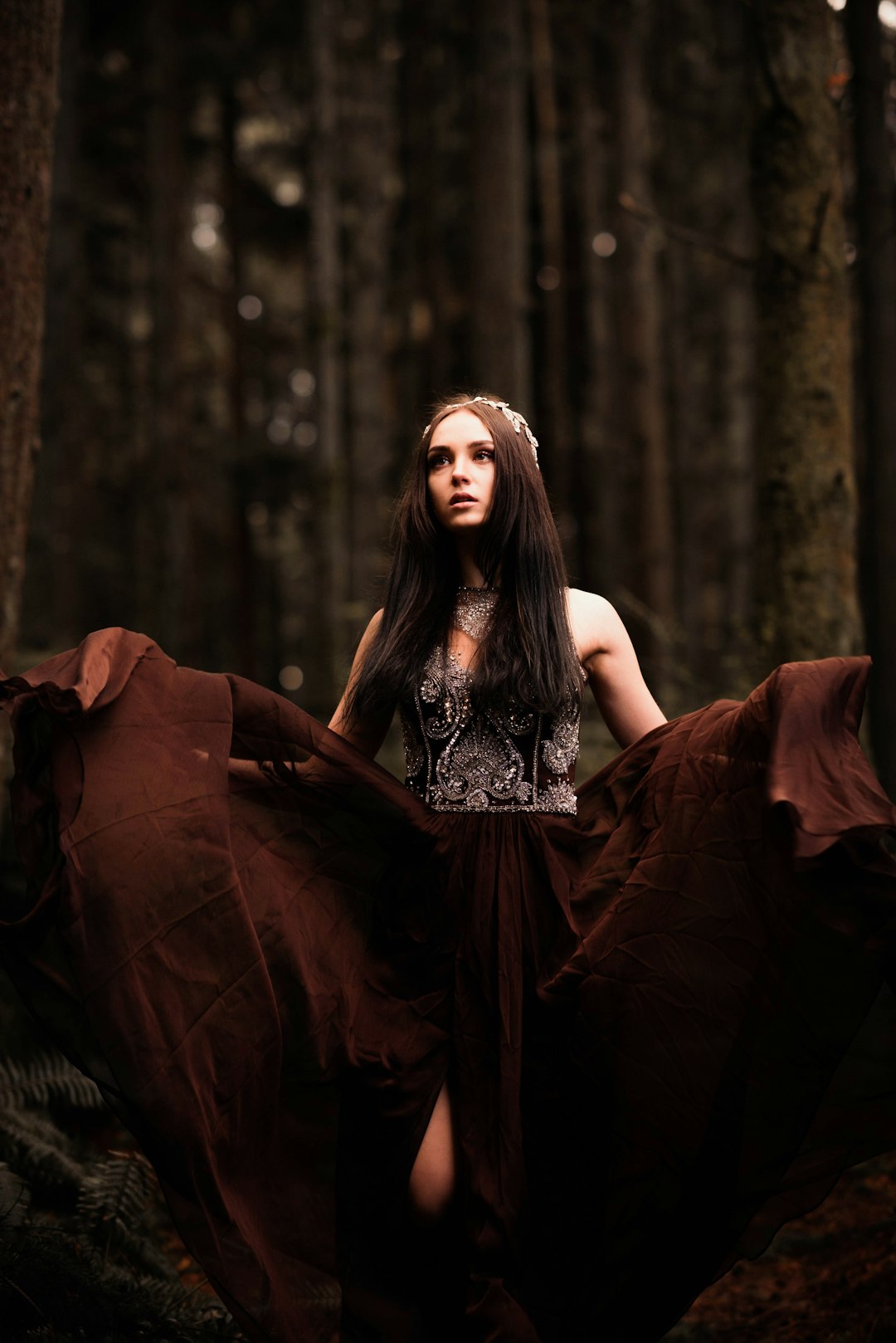
In Irish mythology, the Dullahan is an unseelie fairy — one of the dark, malevolent spirits that roam beyond the protection of human settlements. It rides a black horse through the night, and in the crook of its arm, it carries its own severed head.
The head, they say, has a rictus grin stretching from ear to ear, with enormous eyes that roll and dart like flies. It glows with a faint, phosphorescent light — enough to illuminate the road ahead. In one hand the Dullahan carries a whip fashioned from a human spine.
It does not wander aimlessly. It rides with purpose. And when it stops — when those glowing eyes fix on a particular door — it calls out a name. Once. And whoever’s name is spoken, dies.
The Cóiste Bodhar — the Silent Coach
Sometimes the Dullahan does not ride alone. In the most fearful tellings, it drives a great black carriage known as the Cóiste Bodhar — pronounced roughly koshta bower — the Silent Coach.
This is no ordinary vehicle. Its wheels are made of thigh bones. The canopy above is stitched from dried human skin, and the coach rolls without a sound — save for the rattle of its grim construction and the thunder of the horses’ hooves.
Farmers who heard hoofbeats at night would bolt their shutters and refuse to open the door until dawn. Not out of superstition, but out of certainty. If the Cóiste Bodhar stopped outside your home, it was not delivering good news.
Why No One Was Supposed to Look
There is a strict rule that runs through every telling of the Dullahan story. Do not look.
If you peer through your window, if you open a shutter to steal a glance at the rider in the dark, the Dullahan will hurl a basin of blood in your face. Or worse — it will fix those glowing eyes on you, and your name will be next.
Gold, however, is said to be the one defence. The Dullahan cannot abide it. Even a single gold pin placed near the door, or a golden coin, is said to make it pass by. This is not a comfortable protection — it requires knowing the Dullahan is coming, and the Dullahan, by design, comes unannounced.
The Ancient Roots of a Headless Spirit
The Dullahan is connected to the ancient Celtic cult of the severed head. In pre-Christian Ireland, the head was considered the seat of the soul — a belief that gave rise to warrior traditions of keeping enemies’ heads as trophies, and carved stone heads found at sacred sites across the country.
The spirit also draws on the old Irish festival of Samhain, when the boundaries between the living and the dead grew thin. The Dullahan was said to be most active at these festival times — galloping across the land on nights when the veil was thinnest, collecting souls for whatever lies beyond.
The figure was known across Connacht and Ulster in particular, and some folklorists believe the Dullahan influenced later tales of the Headless Horseman in other traditions entirely.
Where the Legend Was Taken Seriously
What is striking about the Dullahan is how seriously it was taken, and for how long. This was not a children’s bedtime story. Adults in rural Ireland, well into the twentieth century, genuinely feared what might come down the road after dark.
The landscape contributed. Ireland’s narrow country lanes, hemmed by hedgerows and trees, are pitch-black on a moonless night. The sound of a horse — no lantern, no voice — was genuinely unnerving in a way that is hard to imagine now.
It did not take much imagination to believe that something without a head might be at the reins. The Dullahan is a cousin of the banshee in the sense that both belong to a very specific Irish tradition — death announced, not as punishment, but as fact.
It Has Never Really Gone Away
Those narrow roads still exist. The hedgerows are still there. The ancient beech tunnels, the boreen that ends at a bog, the laneway where the lights run out and the fields close in on either side.
On the right kind of night, with the right kind of silence, it is easy to understand why the Dullahan was never a legend anyone laughed at. Ireland has a way of making the supernatural feel entirely reasonable.
If you are planning a trip to Ireland, the mythology is woven into the landscape itself — in the old roads, the fairy forts, the standing stones at the edge of fields. The Dullahan is not a museum piece. It belongs to the countryside.
Ireland’s dark mythology is not separate from its beauty. It is part of the same landscape — the misty bogs, the ancient forts in the hedgerows, the narrow roads that seem to lead somewhere else at night. The Dullahan reminds us that the Irish understood something about the darkness that the rest of the world is still catching up with. It had a face. It just wasn’t wearing it.
Love Ireland? So do 65,000 of us.
Join the Love Ireland newsletter — free stories of Irish heritage, hidden gems, and the magic of the Emerald Isle delivered to your inbox.
☘️ Want More Hidden Ireland?
Join 64,000+ subscribers who discover Ireland’s best-kept secrets every week.
Subscribe Free — Join the Community →
Free forever · Unsubscribe anytime · No spam
📥 Free Download: Ireland Travel Planning Guide
Our most popular resource — itineraries, insider tips, and the 50 places you must not miss.
Tours & experiences you might love


Powered by Viator. Some links are affiliate links — we may earn a small commission at no extra cost to you.
Secure Your Dream Irish Experience Before It’s Gone!
Planning a trip to Ireland? Don’t let sold-out tours or packed attractions spoil your journey. Iconic experiences like visiting the Cliffs of Moher, exploring the Rock of Cashel, or enjoying a guided walk through Ireland’s ancient past often sell out quickly—especially during peak travel seasons.

Booking in advance guarantees your place and ensures you can fully immerse yourself in the rich culture and breathtaking scenery without stress or disappointment. You’ll also free up time to explore Ireland’s hidden gems and savour those authentic moments that make your trip truly special.
Make the most of your journey—start planning today and secure those must-do experiences before they’re gone!