

Irish surnames from Meath carry the weight of High Kings and Norman lords. County Meath sits at the heart of ancient Ireland. The Hill of Tara rose from its green fields as the seat of the most powerful rulers on the island. Trim Castle stands as the largest Norman fortress in the country. Newgrange, built five thousand years ago, still draws those who want to touch something older than history. If your family carries a Meath surname, your roots go very deep.
Free Irish ancestry tool ☘️
Have an Irish surname? Find your ancestral Irish county — we’ll trace your name to where the family originated, with a short note on its history.
Irish Surnames from Meath: The Heart of Ancient Ireland
Meath takes its name from the Irish An Mhí, meaning the middle. It was the province at the centre of everything. The ancient Brehon law divided Ireland into four provinces. Meath was sometimes called the fifth, a royal territory held apart from the rest. Its kings were among the most powerful in the land.
Watch: Do You Qualify for an Irish Passport?
Tracing your Irish family? If one of your grandparents was born in Ireland, you may be able to become an Irish citizen. This 14-minute guide explains who qualifies, what it costs and how long it takes. Thinking of making the move? Get the free Moving to Ireland checklist.
The Hill of Tara was the heart of Meath’s power. Its Uí Néill dynasty ruled from here for centuries. The O’Melaghlin family, the Kings of Meath, fought for supremacy until Brian Boru broke their grip in 1002. Malachy II, the last great O’Melaghlin king, remained a major figure in Irish politics until his death in 1022.
The Normans arrived in 1169 and changed everything. They built Trim Castle on the River Boyne and made it the centre of their power in the midlands. New families came with them — Plunkett, Cusack, Fleming, Dillon. These names became as Meath as the soil itself. They appear in records going back eight hundred years.
If you are tracing your roots, our guide to tracing your Irish ancestry covers every archive and database you need.
The Five Great Meath Surnames at a Glance
- Plunkett – Norman lords who held Dunsany Castle for centuries.
- O’Melaghlin – the ancient royal line of the Kings of Meath.
- Cusack – Norman lords of the Pale near Dublin.
- Fleming – settler family with roots in Flanders.
- Dillon – a Meath name later famed among the Wild Geese.
Plunkett: The Norman Lords of Meath
Plunkett is the most prominent Norman surname in County Meath. The family came from Normandy with the Anglo-Norman invasion. They arrived in the twelfth century and built a lasting presence in the county. Within a generation, they held some of the finest land in the province.
The Plunketts made Dunsany Castle their home. It stands in the south of County Meath and is one of the oldest continuously inhabited castles in Ireland. The Plunkett family still lives there today. That is a remarkable fact. Eight centuries of continuous ownership in a single Irish county.
The most famous Plunkett was Saint Oliver Plunkett. Born in 1625 near Oldcastle in County Meath, he became Archbishop of Armagh. He was arrested during the Popish Plot hysteria in England. The authorities hanged, drew, and quartered him in London in 1681. He was the last Catholic martyr to die in England. Pope Paul VI canonised him in 1975. His preserved head is on display in St Peter’s Church in Drogheda.
The Plunkett name spread to the United States with emigration waves in the nineteenth century. Plunkett families appear in records across New York, Boston, and Philadelphia. The name is still common in Irish-American communities today.
O’Melaghlin – Ó Maolsheachlainn: The Kings of Meath
O’Melaghlin is the royal surname of County Meath. The Gaelic form is Ó Maolsheachlainn — descendant of Maolsheachlainn. This name meant devotee of Seachnall. It refers to Saint Seachnall (Secundinus), an early missionary who worked with Saint Patrick.
The O’Melaghlins ruled the Kingdom of Meath for centuries. Maolsheachlainn I became High King of Ireland in 846. He was one of the great kings of the Viking Age. He captured the Viking stronghold at Dublin and forced tribute from the Norse settlers there. Maolsheachlainn II, who died in 1022, was the last of the family to hold the High Kingship.
The name changed over time. Maolsheachlainn became Malachy in English. The surname shortened to O’Melaghlin, McLoughlin, Loughlin, and Loghlen in different areas. All these forms trace back to the royal house of Meath.
The family’s power faded after the Norman invasion. The O’Melaghlins lost their kingship but kept their identity. They remained landowners in the county for centuries. Descendants of this ancient royal line live in Meath, across Ireland, and in large numbers in the United States today.
☘️ Enjoying this? 64,000+ Ireland lovers get stories like this every week.
Thinking about it seriously? If you’ve started actually planning a move, our complete the full Move to Ireland guide walks through every step, every cost, and the paperwork that catches most people out.
Cusack – De Cusack: Lords of the Pale
Cusack is one of the great Anglo-Norman surnames of County Meath. The name comes from the Norman de Cusack, meaning from a place called Cusack in Normandy. This family came to Ireland in the twelfth century and settled in the county’s heart.
The Cusacks built a strong presence in Meath. They held land around Trim, the Norman capital of the region. Richard de Cusack was a key figure in the early settlement. His family became part of Meath’s social structure for generations during the medieval period.
Cusack is still a well-known name in County Meath. The most famous modern bearer was Cyril Cusack, the Irish actor. He was one of Ireland’s greatest stage and screen performers. The name appears across the midlands today.
Fleming: Settlers from Flanders
Fleming is one of the most recognisable Norman surnames in Meath. The name means person from Flanders. The Flemings came from what is now Belgium and the Netherlands. They were skilled soldiers and traders. The Normans brought Flemish settlers to Ireland after 1169.
The Flemings settled across County Meath in the late twelfth century. They received grants of land from the Norman lords. They built manor houses and worked the land. Within a few generations, they were fully part of the landscape.
The name spread through Meath and into the wider midlands. Fleming families appear in Meath records from the thirteenth century onwards. Large numbers of Fleming families emigrated during the Famine. They settled in New York, Boston, and the coalfields of Pennsylvania.
Dillon: The Wild Geese of Meath
Dillon is one of County Meath’s best-known surnames. The Norman family came to Ireland with the first wave of settlers. They took the name Dillon over time. The family held land across County Meath and the surrounding midlands for centuries.
The Dillons are most famous for their role in the Irish Brigade in France. Arthur Dillon founded Dillon’s Regiment in 1690 after the Williamite Wars. He was part of the Flight of the Wild Geese. Thousands of Irish soldiers left for the Continent after the Jacobite defeat. Dillon’s Regiment became one of the most distinguished units in the French army. It served with honour for over a century.
The name is widespread today. Dillon families appear across Ireland and in every major Irish-American city. Meath-rooted Dillons settled heavily in New York and New England after the Famine.
How Meath Surnames Crossed the Atlantic
County Meath is inland, far from the main emigration ports. But its people left in very large numbers during the nineteenth century. The Great Famine of 1845 to 1852 pushed thousands of Meath families onto emigrant ships.
Most left through Dublin or Drogheda. They crossed to Liverpool and then boarded ships for New York and Boston. Plunkett, Dillon, Cusack, and Fleming families all appear in early American census records. Many settled in New York City and the surrounding counties.
An earlier wave left after the Williamite Wars of the 1690s. Meath Catholic families joined the Flight of the Wild Geese. Dillon’s Regiment and other Irish units welcomed soldiers from the county. Several Meath officers rose to high rank in the French and Spanish armies.
Their descendants now live across the English-speaking world. Meath is a small county. But its surnames stretch far beyond its borders.
Our Irish heritage trip planning guide explains how to visit your ancestral county in person.
How to Trace Your Meath Ancestry
Meath Heritage and Genealogy Centre
The Meath Heritage Centre is based in Trim, in the shadow of Trim Castle. The centre holds extensive genealogical records for County Meath. Their database links to the national network at rootsireland.ie. It is the best starting point for anyone researching a Meath family name.
Griffith’s Valuation and Census Records
Griffith’s Valuation listed every landholder in County Meath in the 1850s. You can search it free at askaboutireland.ie. The 1901 and 1911 census returns are fully searchable at census.nationalarchives.ie. These two sources cover most Famine-era research for the county.
Registry of Deeds and Estate Papers
The Registry of Deeds in Dublin holds land transaction records from 1708 onwards. Many Meath families, both Norman and Gaelic, appear in these records. Estate papers from the Plunkett, Cusack, and Dillon estates are held in the National Archives of Ireland. These records can trace your family back well beyond the civil registration period.
For a full step-by-step guide, see our guide to tracing your Irish ancestry.
Where to Visit in Meath to Connect with Your Heritage
Hill of Tara. Tara is the most sacred site in County Meath. It was the ceremonial seat of the High Kings of Ireland for thousands of years. The O’Melaghlin kings held power here before the Normans arrived. Walking the hill, you walk land that defined Irish identity for three millennia. The views across the Meath plain stretch in every direction.
Trim Castle. Trim Castle is the largest Norman castle in Ireland. The de Lacy family built it in the 1170s on the banks of the River Boyne. The Cusack and Plunkett families both had connections to this fortress. It is open to visitors year-round. The town of Trim has strong medieval bones and is worth a full afternoon.
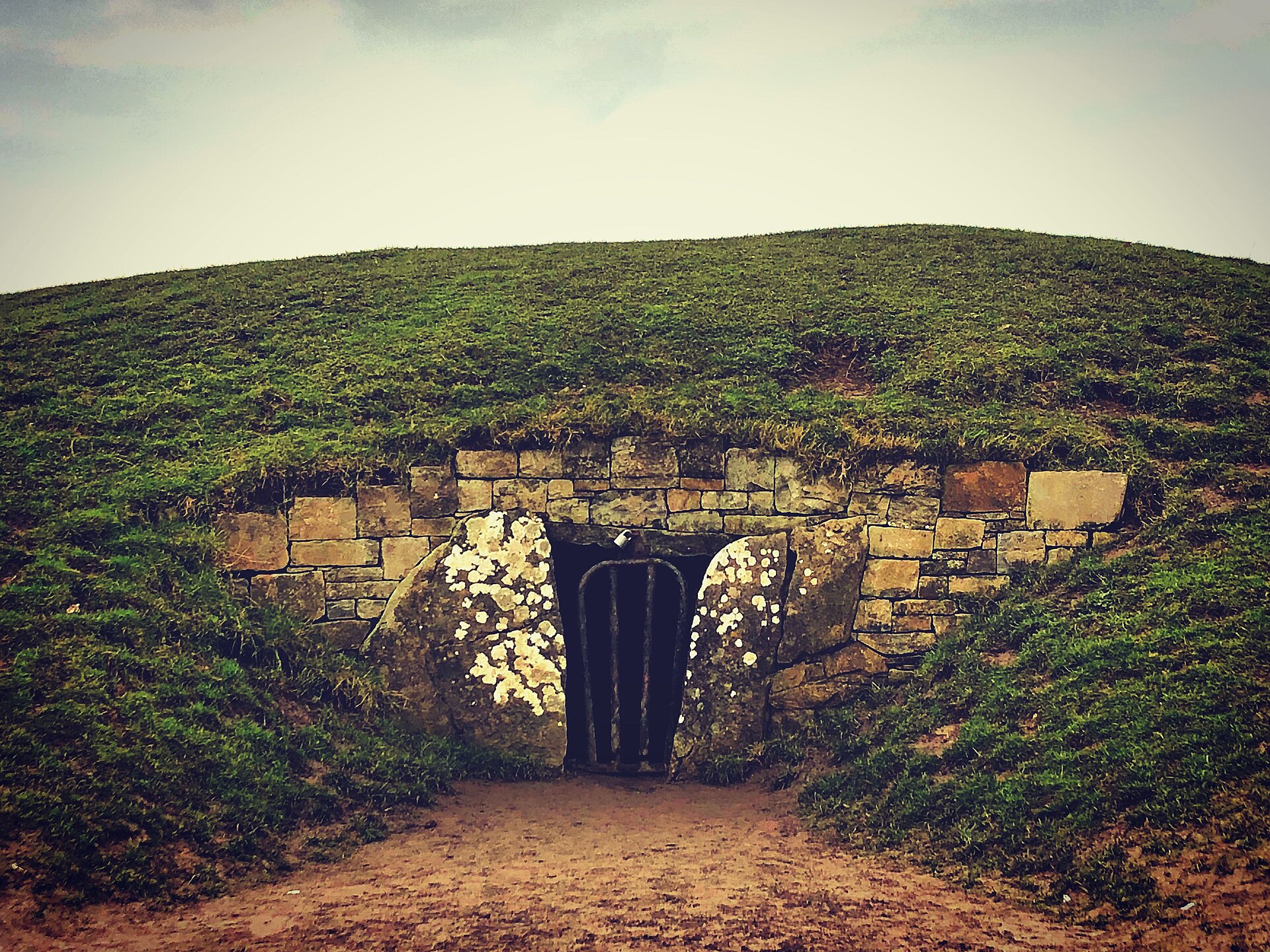
Brú na Bóinne, Newgrange. Newgrange was built around 3200 BC, over five thousand years ago. It is older than Stonehenge and the Egyptian pyramids. The ancient passage tomb catches the winter solstice sun through its roof-box each December. It is one of the most remarkable prehistoric sites in the world. You can book tours through the visitor centre at Brú na Bóinne.
Dunsany Castle. Dunsany Castle is the ancestral home of the Plunkett family. It stands in the south of County Meath and has been continuously occupied for over eight hundred years. The castle opens for limited tours. Visiting Dunsany means standing inside one of the longest family histories in Irish land ownership.
Our 7-day Irish ancestry itinerary gives a full framework for visiting heritage sites across Ireland. For nearby counties, our guide to Irish surnames from Dublin covers the county immediately to the south. Our guide to Irish surnames from Westmeath covers the county to the west.
Frequently Asked Questions About Meath Surnames
What are the most common Irish surnames from County Meath?
The most significant surnames from County Meath include Plunkett, O’Melaghlin (McLoughlin), Cusack, Fleming, and Dillon. Plunkett was the leading Norman family. It held Dunsany Castle for over eight centuries. O’Melaghlin was the royal surname of the Kings of Meath. Cusack and Fleming were major Norman settler families.
What does the name Plunkett mean in Irish history?
Plunkett is a Norman surname that came to Ireland in the twelfth century. The family became one of the most powerful in County Meath. The most famous bearer was Saint Oliver Plunkett, Archbishop of Armagh, who was martyred in London in 1681. He was the last Catholic martyr executed in England and was canonised by Pope Paul VI in 1975. Dunsany Castle remains in Plunkett family ownership today.
Who were the O’Melaghlins of County Meath?
The O’Melaghlins (Ó Maolsheachlainn) were the ancient royal family of the Kingdom of Meath. Maolsheachlainn I became High King of Ireland in 846 and defeated Viking forces at Dublin. Maolsheachlainn II was the last of the family to hold the High Kingship before Brian Boru. The surname appears today as McLoughlin, Loughlin, and O’Melaghlin across Ireland and in the Irish diaspora.
Where can I trace my County Meath ancestry?
Start with the Meath Heritage Centre in Trim, which holds church records linked to rootsireland.ie. Use askaboutireland.ie for Griffith’s Valuation from the 1850s. Search the 1901 and 1911 census at census.nationalarchives.ie. For Norman surnames like Plunkett and Cusack, check the Registry of Deeds and estate papers at the National Archives of Ireland in Dublin.
Did Meath families emigrate to America?
Yes, many Meath families emigrated to America in the 1800s. The Great Famine of 1845 to 1852 drove the biggest wave. Most left through Dublin or Drogheda and boarded ships to New York and Boston. Plunkett, Dillon, Cusack, and Fleming families appear in early American records. An earlier wave left after the Williamite Wars of the 1690s. They joined the Irish Brigade in France and Spain.
Your Meath Roots Are Waiting
County Meath is the oldest heartland in Ireland. The Hill of Tara stood at the centre of Irish power for three thousand years. Newgrange was ancient when the first pharaohs ruled Egypt. The Norman lords who came in 1169 built Trim Castle and founded families whose descendants still live in the county today.
If your surname is Plunkett, McLoughlin, Cusack, Fleming, or Dillon, your family was part of that story. Stand at the Hill of Tara and you stand where the High Kings stood. Walk through Trim and you walk in the shadow of Ireland’s greatest Norman fortress.
That name is yours now. Follow it home.
Explore more of our Irish surnames series — covering Cork, Galway, Kerry, Dublin, Clare, Mayo, Donegal, Tipperary and Limerick. It also covers Waterford, Wexford, Kilkenny, Sligo, Roscommon, Antrim, Down, Tyrone, Derry, Armagh, Fermanagh, Cavan, Monaghan, Leitrim, Longford, Westmeath, Offaly, Laois, Carlow and more.
☘️ Join 64,000+ Ireland Lovers
Every Friday, get Ireland’s hidden gems, local secrets, and travel inspiration — the kind you won’t find in any guidebook.
Subscribe free — enter your email:
📲 Know someone who’d love this? Share on WhatsApp →
Love more? Join 43,000 Scotland lovers → · Join 30,000 Italy lovers → · Join 7,000 France lovers →
Free forever · One email per week · Unsubscribe anytime
Tours & experiences you might love


Powered by Viator. Some links are affiliate links — we may earn a small commission at no extra cost to you.
Secure Your Dream Irish Experience Before It’s Gone!
Planning a trip to Ireland? Don’t let sold-out tours or packed attractions spoil your journey. Iconic experiences like visiting the Cliffs of Moher, exploring the Rock of Cashel, or enjoying a guided walk through Ireland’s ancient past often sell out quickly—especially during peak travel seasons.

Booking in advance guarantees your place and ensures you can fully immerse yourself in the rich culture and breathtaking scenery without stress or disappointment. You’ll also free up time to explore Ireland’s hidden gems and savour those authentic moments that make your trip truly special.
Make the most of your journey—start planning today and secure those must-do experiences before they’re gone!
Subscribe Free