

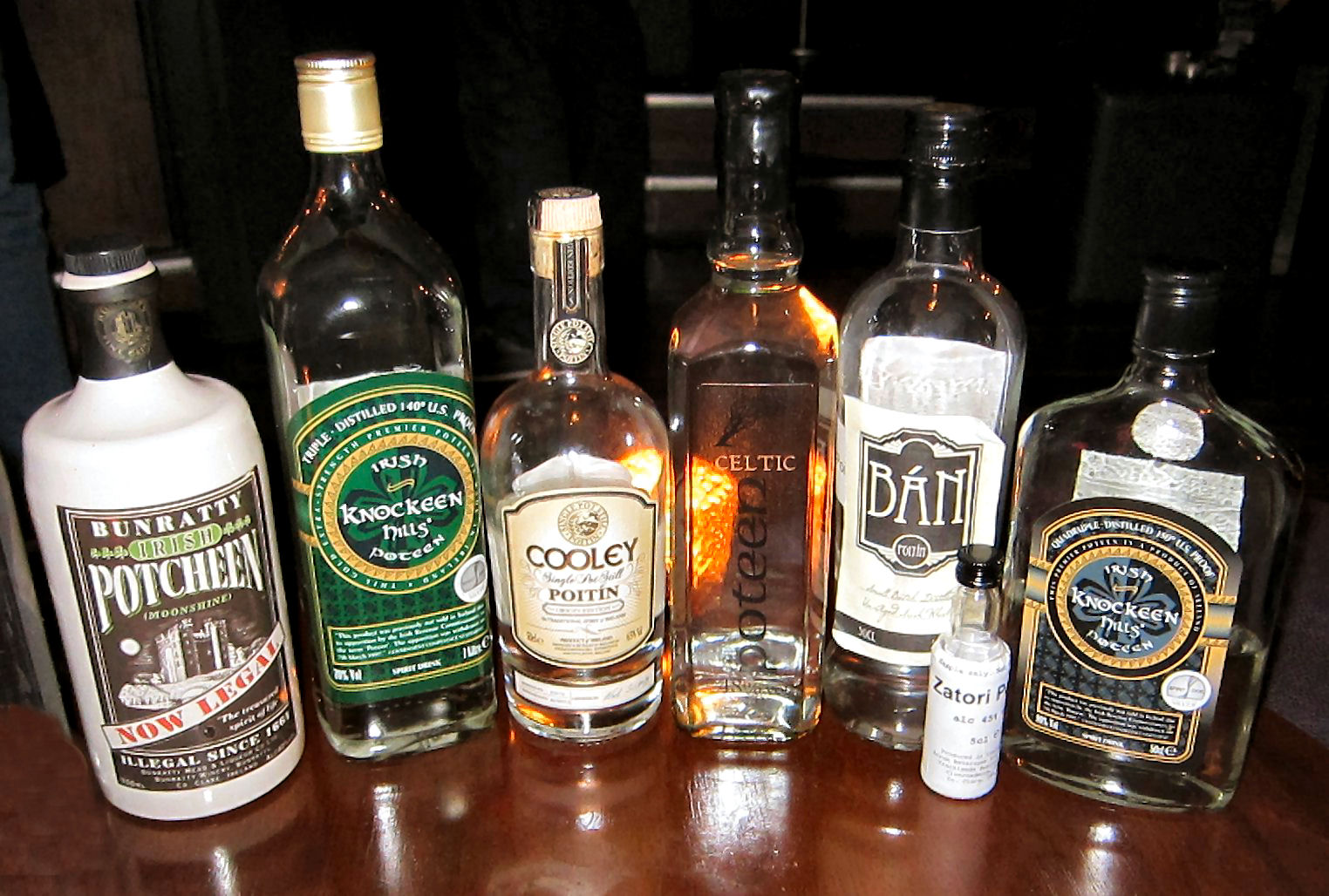
Poitín in Ireland: The Illegal Spirit That Came Back From the Underground
Few things in Irish drinking culture carry as much mythology, mischief, and genuine historical weight as poitín — pronounced potcheen — the raw, fiercely potent spirit that Irish rural communities have been distilling in secret since at least the seventeenth century. Made traditionally from malted barley, potatoes, or grain, and cooked up in a small copper pot still hidden well away from prying eyes, poitín was the drink of bogs, mountain townlands, and remote Atlantic islands. It was also, for an extraordinary 336 years, completely illegal. The British Crown banned its unlicensed production in 1661, and the Irish Free State — and later the Republic — kept that ban firmly in place long after independence. Poitín didn’t become legal to produce and sell commercially in the Republic of Ireland until 1997 — production remains prohibited in Northern Ireland to this day, and in 2008 poitín was granted Protected Geographical Indication (PGI) status by the EU. That is nearly three and a half centuries of prohibition, evasion, and folklore packed into a single bottle.
The ban, of course, never stopped anyone. If anything, it made poitín more deeply woven into the social fabric of rural Ireland. The illegal still — the píotán — became a fixture of the countryside, moved constantly to avoid the Revenue Police, known as the Customs and Excise or colloquially as the gaugers. Communities developed elaborate warning systems: neighbours would whistle, dogs would be positioned on hillsides, and the still would be dismantled and relocated at the first hint of official interest — read more about how this illicit spirit kept rural Irish families warm for three centuries. On the Aran Islands, in Connemara, in the Glens of Antrim, and across Donegal, the production of poitín was less an act of rebellion than simply part of how rural economies functioned. It was bartered for labour, shared at wakes and weddings, and used as a folk remedy for everything from toothache to stiff joints in livestock. The gaugers who occasionally seized a still were rarely popular figures in the townland, and successful evasion was a source of considerable local pride.
What made the spirit itself so remarkable — and so dangerous in its unregulated form — was its extraordinary strength. Poitín could reach anywhere from 40% to 90% ABV depending on the distiller and the number of distillations, with no consistent standard and no quality control whatsoever. Badly made batches, particularly those produced using lead pipes or contaminated equipment, caused genuine harm, and this gave poitín a darker reputation alongside its romantic one. The spirit that passed through skilled hands in a well-maintained still was a world apart: clean, fierce, sometimes slightly sweet with a raw cereal note quite unlike anything commercially produced. Writers, musicians, and storytellers reached for poitín as a metaphor precisely because it embodied something ungovernable about Irish rural life — produced outside the law, shared in community, and entirely on its own terms.
The legalisation in 1997 represented a remarkable cultural reversal. The Irish government granted the first commercial production licences, and a handful of craft distillers began exploring what a legal, quality-controlled poitín might look like. Brands such as Bunratty Potcheen, which had actually been sold legally in export markets for years while remaining prohibited at home, were joined by newer producers. Today, distilleries including Glendalough, Knockeen Hills, and Micil — named after the legendary nineteenth-century Connemara distiller Micil Mac Chearra — are producing poitín that ranges from raw and unaged to more refined expressions finished in oak or infused with botanicals. Micil Distillery on the shores of Galway Bay is a particularly interesting case: the current distillers are direct descendants of that original illegal producer, and they obtained their licence in 2016, making the family’s operation legal for the first time in its history after well over a century underground.
Why It Matters Today
For anyone visiting Ireland with a genuine interest in drinking culture, poitín is worth tracking down beyond the novelty. Craft distilleries across Connemara, Donegal, and Wicklow offer tastings and tours that place the spirit properly in its historical context — see our roundup of the best Irish whiskey distillery tours for more on visiting working stills, and an increasing number of serious Irish bars now stock poitín alongside their whiskey selections — sometimes even using it in cocktails that show off its raw, versatile character. The Gaeltacht regions of the west, where the spirit’s illegal tradition was particularly strong, are natural places to start, and a conversation with a knowledgeable bartender about the difference between an unaged poitín and a lightly matured expression can be genuinely illuminating. This is a drink that carries the weight of Irish social history in a way that few others do, and engaging with it thoughtfully — rather than as a novelty shot — is one of the more rewarding things a visitor to Ireland can do at the bar.
There is something quietly satisfying about the fact that a spirit which spent the better part of three and a half centuries hiding in bogs and on mountainsides has ended up on back bars and in craft distillery gift shops, finally acknowledged as a legitimate part of Ireland’s extraordinary drinks heritage. Poitín never quite disappeared, even at its most illegal — and now that it has come properly into the light, it turns out to have been worth the long wait.
Tours & experiences you might love


Powered by Viator. Some links are affiliate links — we may earn a small commission at no extra cost to you.
Secure Your Dream Irish Experience Before It’s Gone!
Planning a trip to Ireland? Don’t let sold-out tours or packed attractions spoil your journey. Iconic experiences like visiting the Cliffs of Moher, exploring the Rock of Cashel, or enjoying a guided walk through Ireland’s ancient past often sell out quickly—especially during peak travel seasons.

Booking in advance guarantees your place and ensures you can fully immerse yourself in the rich culture and breathtaking scenery without stress or disappointment. You’ll also free up time to explore Ireland’s hidden gems and savour those authentic moments that make your trip truly special.
Make the most of your journey—start planning today and secure those must-do experiences before they’re gone!