

Retire in Ireland and Finally Feel You Belong: A Practical Guide
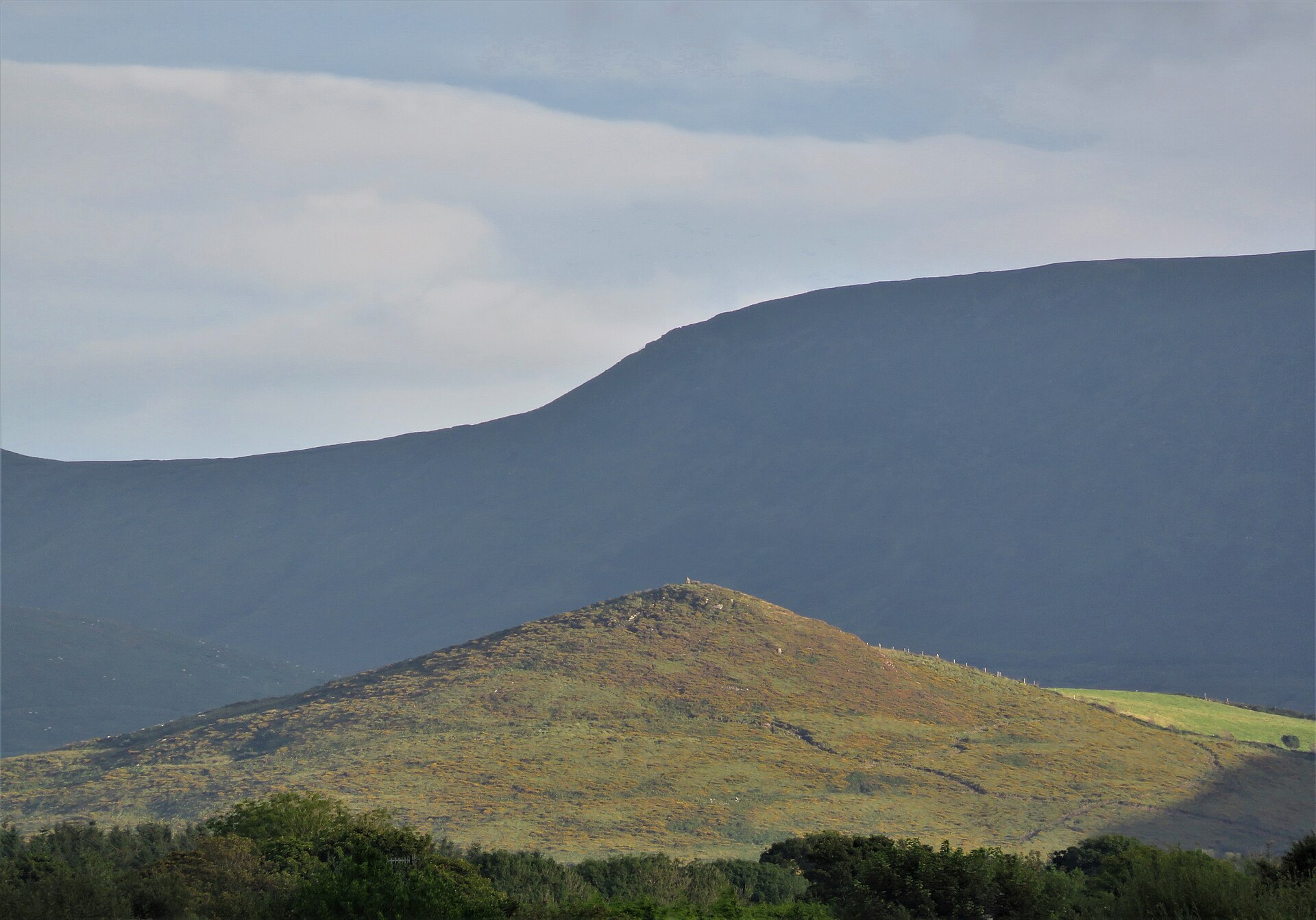
To retire in Ireland is to embrace a lifestyle steeped in rich heritage, breathtaking landscapes, and a warm sense of community. For those of Irish descent living abroad, particularly in the US, UK, or Australia, retiring to Ireland offers more than just a change of scenery—it is a chance to reconnect with ancestral roots and truly feel at home. Whether you’re considering moving to Ireland over 50 or simply exploring Ireland retirement options, this guide offers practical insights into what life looks like when you choose to spend your golden years in the Emerald Isle.
Watch: Do You Qualify for an Irish Passport?
If one of your grandparents was born in Ireland, you may be able to become an Irish citizen. This 14-minute guide explains who qualifies, what it costs and how long it takes. Thinking of making the move? Get the free Moving to Ireland checklist.
Why Retire in Ireland? The Pull of Heritage and Lifestyle
Choosing to retire in Ireland is often motivated by a deep connection to Irish heritage, alongside the allure of the country’s relaxed pace of life and breathtaking natural beauty. Ireland’s temperate climate, vibrant culture, and welcoming communities provide an ideal backdrop for those seeking a fulfilling retirement. The country balances the charm of quaint villages and countryside with modern amenities and excellent healthcare facilities, crucial considerations for those moving to Ireland over 50.
Moreover, Ireland’s strong cultural identity—expressed through music, literature, and festivals—ensures that retirees won’t feel like outsiders. For the Irish diaspora, this cultural resonance can be profoundly comforting, reinforcing a sense of belonging. Whether you dream of exploring the Wild Atlantic Way or visiting iconic sites like the Cliffs of Moher, Ireland offers endless opportunities to engage with its landscape and history.
Practical Considerations When Retiring to Ireland
Retiring to Ireland involves careful planning, especially for those moving from outside the EU. Retirees often inquire about residency, healthcare, and financial requirements. While EU citizens enjoy more straightforward residency options, non-EU citizens, including many Americans and Australians, must explore visa options such as the Stamp 0 permission or long-stay visas. Consulting the Immigration Service Delivery (ISD, formerly INIS) website is essential for up-to-date guidelines.
Healthcare is another critical factor. Ireland offers a public health system, but many retirees opt for private health insurance to gain quicker access to services. The country’s healthcare infrastructure is well-developed, particularly in cities like Dublin and Galway, but rural areas may require some adjustment. Moreover, pensions and taxation policies should be reviewed in consultation with a financial adviser familiar with cross-border issues.
Embracing the Ireland Retirement Lifestyle
Retiring in Ireland means embracing a lifestyle that balances tranquillity with vibrant community life. For many, this includes weekly trips to local markets, engaging in traditional music sessions, and participating in community events. Towns and villages across Ireland foster a close-knit atmosphere where newcomers are welcomed warmly. From the bustling streets of Dublin to the serene landscapes along the Wild Atlantic Way, retirees find themselves spoilt for choice when it comes to leisure and exploration.
Outdoor enthusiasts will relish Ireland’s vast walking trails, golf courses, and fishing spots. For those who prefer a slower pace, the country’s rich literary traditions and cosy pubs provide ample opportunities for relaxation and socialising. Retiring to Ireland also means savouring fresh local produce, traditional dishes, and the opportunity to learn the Irish language, connecting more deeply with the culture.
Tips for Moving to Ireland Over 50
Making the move to Ireland over 50 requires thoughtful preparation to ensure a smooth transition. First, consider visiting Ireland for an extended stay to experience daily life firsthand. Use this opportunity to explore different regions, from lively urban centres to peaceful rural communities, helping you decide where you feel most at home.
Next, engage with local expat groups and Irish diaspora organisations, which can provide support and valuable advice. Housing is another priority; Ireland offers a range of options from charming cottages to modern apartments. It’s wise to work with local estate agents familiar with the needs of retirees. Additionally, setting up bank accounts, understanding taxation, and registering with local health services should be on your checklist before making the move permanent.
For inspiration on travel and places to see once you arrive, don’t miss the ultimate Ireland travel guide on our site, a treasure trove for newcomers eager to explore.
| Aspect | Details |
|---|---|
| Residency | Visa options vary depending on nationality; EU citizens have simplified processes |
| Healthcare | Public health services available; private insurance recommended for faster access |
| Cost of Living | Varies by region; generally lower outside Dublin and major cities |
| Community | Welcoming, especially in areas with strong Irish cultural presence |
| Climate | Mild and temperate, with plenty of green landscapes |
| Activities | Outdoor pursuits, cultural events, traditional music, and festivals |
Frequently Asked Questions About Retiring in Ireland
Is it easy for non-EU citizens to retire in Ireland?
While EU citizens benefit from freedom of movement, non-EU citizens need to apply for long-stay visas or permissions such as Stamp 0. It is advisable to consult Immigration Service Delivery (formerly the Irish Naturalisation and Immigration Service) for detailed and current requirements.
What healthcare options are available for retirees?
Ireland offers public healthcare services accessible through the Health Service Executive (HSE). Many retirees also choose private health insurance for quicker access to specialists and elective procedures.
Can I bring my pension if I move to Ireland?
Yes, many retirees transfer their pensions to Ireland. However, tax implications vary depending on your home country and pension type. It is recommended to speak to a financial adviser familiar with international retirement finances.
What are the best areas to live for retirees?
Popular areas include coastal towns, scenic rural locations, and vibrant cities like Galway and Cork. The choice depends on lifestyle preferences—whether you desire peaceful countryside or lively cultural scenes.
Are there activities and communities for older adults?
Absolutely. Ireland has active community centres, clubs, and cultural groups that welcome retirees. Many towns host traditional music nights, walking groups, and art classes tailored for older adults.
Plan Your Ireland Experience
Ready to experience Ireland for yourself? Book an Ireland countryside tour and create memories that will last a lifetime.
Conclusion: Your New Chapter Is waiting in Ireland
To retire in Ireland is to open the door to a warm welcome, a rich cultural tapestry, and a lifestyle that embraces both relaxation and adventure. Whether you are rediscovering your roots or seeking a fresh start, Ireland offers an unparalleled quality of life for retirees. With careful planning and an open heart, moving to Ireland over 50 can be a deeply rewarding experience, allowing you to finally feel you belong. Begin your journey with a visit, explore the diverse regions, and soon you’ll discover why so many choose Ireland as their retirement haven.
Want More on Retiring in Ireland? Subscribe for In-Depth Guides
Continue Planning
- Renting a Car in Ireland from the USA: Everything You Need to Know Before You Go
- Why Every Irish Village Name Is a Poem Most Visitors Never Stop to Read
- Why Dublin’s Most Beloved Dish Almost Never Appears on a Menu
☘️ You Might Also Love
64,000 Ireland lovers can’t be wrong.
Every week, our free newsletter delivers hidden gems, seasonal guides, local stories, and practical travel tips — straight to your inbox. Join the community that loves Ireland as much as you do.
☘️ Want More Hidden Ireland?
Join 64,000+ subscribers who discover Ireland’s best-kept secrets every week.
Subscribe Free — Join the Community →
Free forever · Unsubscribe anytime · No spam
📥 Free Download: Ireland Travel Planning Guide
Our most popular resource — itineraries, insider tips, and the 50 places you must not miss.
Tours & experiences you might love


Powered by Viator. Some links are affiliate links — we may earn a small commission at no extra cost to you.
Secure Your Dream Irish Experience Before It’s Gone!
Planning a trip to Ireland? Don’t let sold-out tours or packed attractions spoil your journey. Iconic experiences like visiting the Cliffs of Moher, exploring the Rock of Cashel, or enjoying a guided walk through Ireland’s ancient past often sell out quickly—especially during peak travel seasons.

Booking in advance guarantees your place and ensures you can fully immerse yourself in the rich culture and breathtaking scenery without stress or disappointment. You’ll also free up time to explore Ireland’s hidden gems and savour those authentic moments that make your trip truly special.
Make the most of your journey—start planning today and secure those must-do experiences before they’re gone!