

Three men lift a narrow, tar-black boat above their heads and carry it down to the shore. It weighs almost nothing — a skeleton of slender timber wrapped in canvas and sealed dark with pitch. At the water’s edge they tip it in, climb aboard, and row out into Atlantic swells that have broken far larger vessels apart.
This is the currach. And it has been meeting these waters for thousands of years.
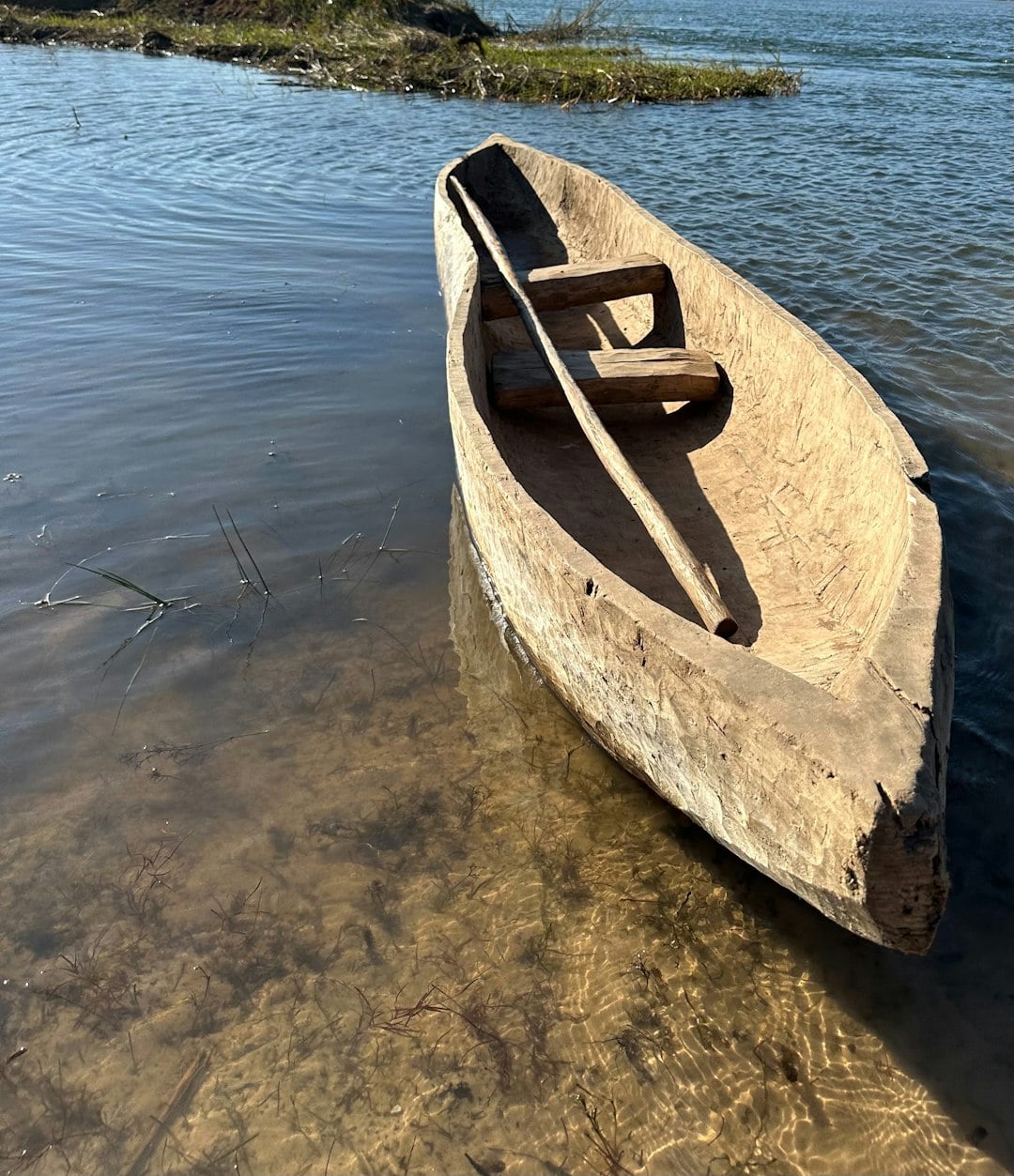
Built from Wood, Canvas, and Ingenuity
The word currach comes from Old Irish, and the design it describes is one of the oldest watercraft still in active use anywhere on earth. The original construction was breathtakingly simple: a lightweight frame of wicker or thin timber, stretched over animal hide and sealed with tar or grease.
Later, canvas replaced hide. Today, many are built in fibreglass — though the shape has barely changed across millennia. What makes the currach remarkable is what it lacks. No keel. No motor. No sophisticated rigging. Just a shallow hull that sits almost on the surface of the water rather than fighting through it.
That, it turns out, is exactly what the wild Atlantic demands.
Why It Has Outlasted Every Alternative
On Ireland’s open western coast, waves don’t behave the way they do in calmer seas. They stack without warning. They arrive from every direction at once. A heavier boat would fight them and lose.
The currach doesn’t fight. It rolls and rises with the water, riding over swells that would swamp a conventional vessel. Fishermen in Galway Bay, the Aran Islands, and along the Donegal coast have understood this for generations — not as theory but as lived knowledge passed from father to son at the water’s edge.
Visitors who discover the real island life of the Aran Islands are often astonished to learn that residents used currachs well into the twentieth century to carry everything — livestock, turf, groceries, coffins — across the churning waters of Galway Bay. The boat that looked fragile in a harbour was, at open sea, something close to indestructible.
The Saint Who Sailed to America in One
The most extraordinary claim made for the currach belongs to the sixth century. St Brendan the Navigator — an Irish monk from County Kerry — is said to have crossed the North Atlantic in one, eventually making landfall in what some historians believe was the coast of North America.
Whether or not St Brendan arrived nearly a thousand years before Columbus, the idea isn’t entirely far-fetched. In 1976, the explorer Tim Severin built a traditional hide-covered currach and sailed it from Ireland to Newfoundland to prove the crossing was possible. The voyage took seventeen months and passed through Iceland and Greenland, following the same island-hopping route described in the medieval Irish text Navigatio Sancti Brendani.
The ancient boat held. It still does.
Currach Racing — Still Fiercely Alive
The currach has never retired. Every summer along Ireland’s western seaboard, racing crews compete for titles that carry the weight of deep local pride. The Connacht championships, held in communities like Lettermore and Carraroe in Connemara, are among the most fiercely anticipated sporting events of the season.
Teams train from spring. Rivalries run between generations. A winning crew carries the pride of an entire townland — much like the boat itself is carried to the water on the shoulders of its crew.
The racing currachs are long and narrow, sometimes stretching to twelve metres, and they move across the water at remarkable speed. There is nothing quite like watching a race at close range: the oars barely seem to touch the surface before the boat is gone. You understand immediately why this design has survived for so long. It isn’t just practical. It is genuinely beautiful.
Where to Find a Currach Today
If you want to see one up close, the Aran Islands are the best starting point. Currachs are still moored along the pier at Inis Mór, and the islanders are often generous with their stories. The Connemara coastline — particularly around Roundstone and Carraroe — is another stronghold of the tradition, where currachs are still built by hand in small boatyards.
The Galway City Museum holds several historic currachs and traces their story in full. And if your visit falls in summer, look out for the local racing festivals — the atmosphere is extraordinary.
The Love Ireland planning hub is the ideal starting point if you’re working out where and when to go. The Love Ireland newsletter also regularly features seasonal events along the west coast worth timing a trip around.
A Boat That Belongs to Ireland
Every seafaring culture has its iconic vessel. The Venetians have the gondola. The Polynesians have the outrigger. Ireland has the currach.
What sets it apart is that it was never ceremonial or decorative. It was always working. The people who built and rowed currachs did so because the sea was their road, their larder, and sometimes their greatest hazard. There was no romance in it — only necessity, skill, and an intimate understanding of the Atlantic’s moods.
That these boats are still being built, still raced, and still loved across the west of Ireland says something quiet and fierce about this country’s relationship with its coastline. The ocean has been making life difficult out there for thousands of years. The currach is Ireland’s answer — and it has never stopped working.
☘️ You Might Also Love
64,000 Ireland lovers can’t be wrong.
Every week, our free newsletter delivers hidden gems, seasonal guides, local stories, and practical travel tips — straight to your inbox. Join the community that loves Ireland as much as you do.
☘️ Want More Hidden Ireland?
Join 64,000+ subscribers who discover Ireland’s best-kept secrets every week.
Subscribe Free — Join the Community →
Free forever · Unsubscribe anytime · No spam
📥 Free Download: Ireland Travel Planning Guide
Our most popular resource — itineraries, insider tips, and the 50 places you must not miss.
Tours & experiences you might love


Powered by Viator. Some links are affiliate links — we may earn a small commission at no extra cost to you.
Secure Your Dream Irish Experience Before It’s Gone!
Planning a trip to Ireland? Don’t let sold-out tours or packed attractions spoil your journey. Iconic experiences like visiting the Cliffs of Moher, exploring the Rock of Cashel, or enjoying a guided walk through Ireland’s ancient past often sell out quickly—especially during peak travel seasons.

Booking in advance guarantees your place and ensures you can fully immerse yourself in the rich culture and breathtaking scenery without stress or disappointment. You’ll also free up time to explore Ireland’s hidden gems and savour those authentic moments that make your trip truly special.
Make the most of your journey—start planning today and secure those must-do experiences before they’re gone!