

Every year, on the last Sunday of July, Irish people climb hills. They pick wild bilberries. They swim in mountain lakes. They stand on exposed summits and look out over the land below. Most cannot say exactly why. But they do it anyway.
The tradition is 3,000 years old. And it refuses to die.
The God Behind the Festival
Lúnasa (say it: loo-nah-sah) is Ireland’s oldest harvest festival. It falls at the start of August and marks the turning of the year — the moment summer tips towards autumn.
The festival is named after Lugh, one of the most powerful figures in Irish mythology. Lugh was a warrior, a craftsman, and a sun god. But Lúnasa was not simply a celebration of him.
According to the old stories, it began as a set of funeral games he held in honour of his foster mother, Tailtiu. She died of exhaustion after clearing the forests of Ireland to make way for farmland. Lugh marked her death with a great gathering every harvest season.
That detail matters. Lúnasa was never just a party. It was a thanksgiving — an acknowledgement that the land had given something, and that something had been sacrificed to make it possible.
What Happened at a Lúnasa Gathering
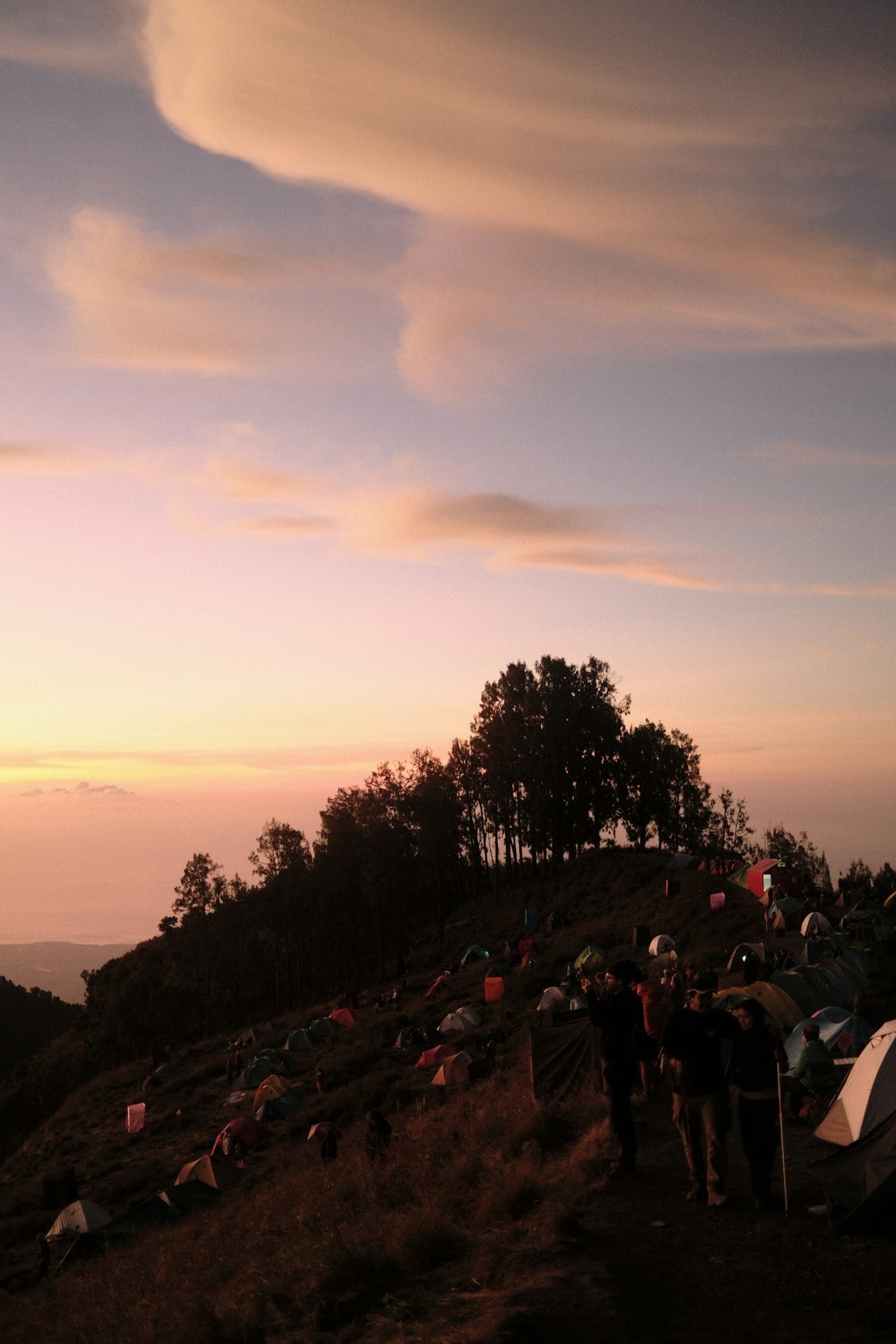
The festival was observed across Ireland from at least the Iron Age. Communities gathered at traditional hilltop sites, chosen for their height above the land and their openness to the sky.
Wild bilberries — fraochán in Irish — were picked from the heather. The first fruits of the harvest: grain, berries, new bread, were brought as offerings. Athletic contests were held, along with singing, dancing, and music filling the hillside.
But Lúnasa was also a social occasion. It was one of the few times a year that people from scattered farms and townlands came together in large numbers. Matches were made. Debts were settled. News was shared. It was, in the truest sense, a community event.
The Hilltops That Became Sacred
Certain hills became established Lúnasa sites, visited generation after generation. Knocknarea in County Sligo. Cave Hill above Belfast. Slieve Donard in the Mournes. Each had its own local rituals and customs.
The most famous is Croagh Patrick in County Mayo. Every year on Reek Sunday — the last Sunday of July — thousands climb the 764-metre quartzite peak, following a route that pre-dates Christianity by centuries.
The pilgrimage absorbed the older Lúnasa tradition and preserved it inside a Christian frame. But the impulse — to climb, to gather, to mark the turning season — remains unchanged. Some still make the ascent in bare feet.
☘️ Enjoying this? 64,000+ Ireland lovers get stories like this every week. Subscribe free →
If you’re planning to visit County Mayo, Reek Sunday falls at the end of July and draws tens of thousands of pilgrims from across Ireland and beyond.
The Fairs That Survived
Not all Lúnasa traditions happened on hilltops. The festival also inspired a network of great annual fairs held each August, drawing traders, musicians, and matchmakers from across the country.
The Ould Lammas Fair in Ballycastle, County Antrim, has been held every August for over 400 years. It is claimed to be the oldest fair in Ireland. Traders still sell yellowman — a hard, golden honeycomb toffee — and dulse, dried seaweed eaten like crisps. The same foods have been sold here for centuries.
Puck Fair in Killorglin, County Kerry, is another survivor. For three days each August, a wild mountain goat is crowned King Puck and enthroned above the town. Scholars argue about its origins, but the fair’s August timing places it squarely within the Lúnasa tradition.
The Ring of Kerry and Killorglin are well worth adding to any Irish itinerary if you’re travelling in August — Puck Fair runs annually from the 10th to the 12th.
Why Lúnasa Still Matters
Ireland has changed almost beyond recognition in the past century. The harvest is no longer the centre of life. Most people in Ireland today have never cut turf or threshed grain.
And yet the impulse endures. Every August, something shifts. The evenings shorten. The light changes. The blackberries appear in the hedgerows. Old instincts stir.
Lúnasa was always about that moment: the first hint of autumn inside the heart of summer. The awareness that abundance does not last forever, and that it is worth gathering to mark its passing.
The bilberry picking still happens on Reek Sunday. The Ould Lammas Fair still draws its August crowds. And somewhere in Ireland today, someone is standing on a hilltop and feeling — without quite knowing why — that this is exactly where they are supposed to be.
☘️ You Might Also Love
☘️ Join 64,000+ Ireland Lovers
Every Friday, get Ireland’s hidden gems, local secrets, and travel inspiration — the kind you won’t find in any guidebook.
Free forever · · Unsubscribe anytime
Tours & experiences you might love


Powered by Viator. Some links are affiliate links — we may earn a small commission at no extra cost to you.
Secure Your Dream Irish Experience Before It’s Gone!
Planning a trip to Ireland? Don’t let sold-out tours or packed attractions spoil your journey. Iconic experiences like visiting the Cliffs of Moher, exploring the Rock of Cashel, or enjoying a guided walk through Ireland’s ancient past often sell out quickly—especially during peak travel seasons.

Booking in advance guarantees your place and ensures you can fully immerse yourself in the rich culture and breathtaking scenery without stress or disappointment. You’ll also free up time to explore Ireland’s hidden gems and savour those authentic moments that make your trip truly special.
Make the most of your journey—start planning today and secure those must-do experiences before they’re gone!