

County Kerry sits on Ireland’s south-western edge, where the Atlantic meets some of the most dramatic landscapes in all of Europe. Known locally as “The Kingdom,” Kerry has earned its regal nickname through centuries of fierce independence and a landscape so breathtaking that it seems almost deliberately crafted to leave visitors speechless. From the mist-wrapped peaks of the MacGillycuddy’s Reeks to the turquoise coves of the Dingle Peninsula, this is Ireland at its most spectacular — and most unforgettable.
Whether you’re planning your first trip to Ireland or returning to explore deeper, County Kerry deserves a place at the very top of your itinerary. This guide covers everything you need to know: the must-see attractions, the hidden gems that most tourists miss, the best time to visit, and the cultural heartbeat that makes Kerry unlike anywhere else on the island.
How many of Ireland’s 32 counties can you name? ☘️
Counties of Ireland — the geography-quiz tool. Place all 32 on the map and see if you can beat the average.
Why County Kerry? Ireland’s Crown Jewel
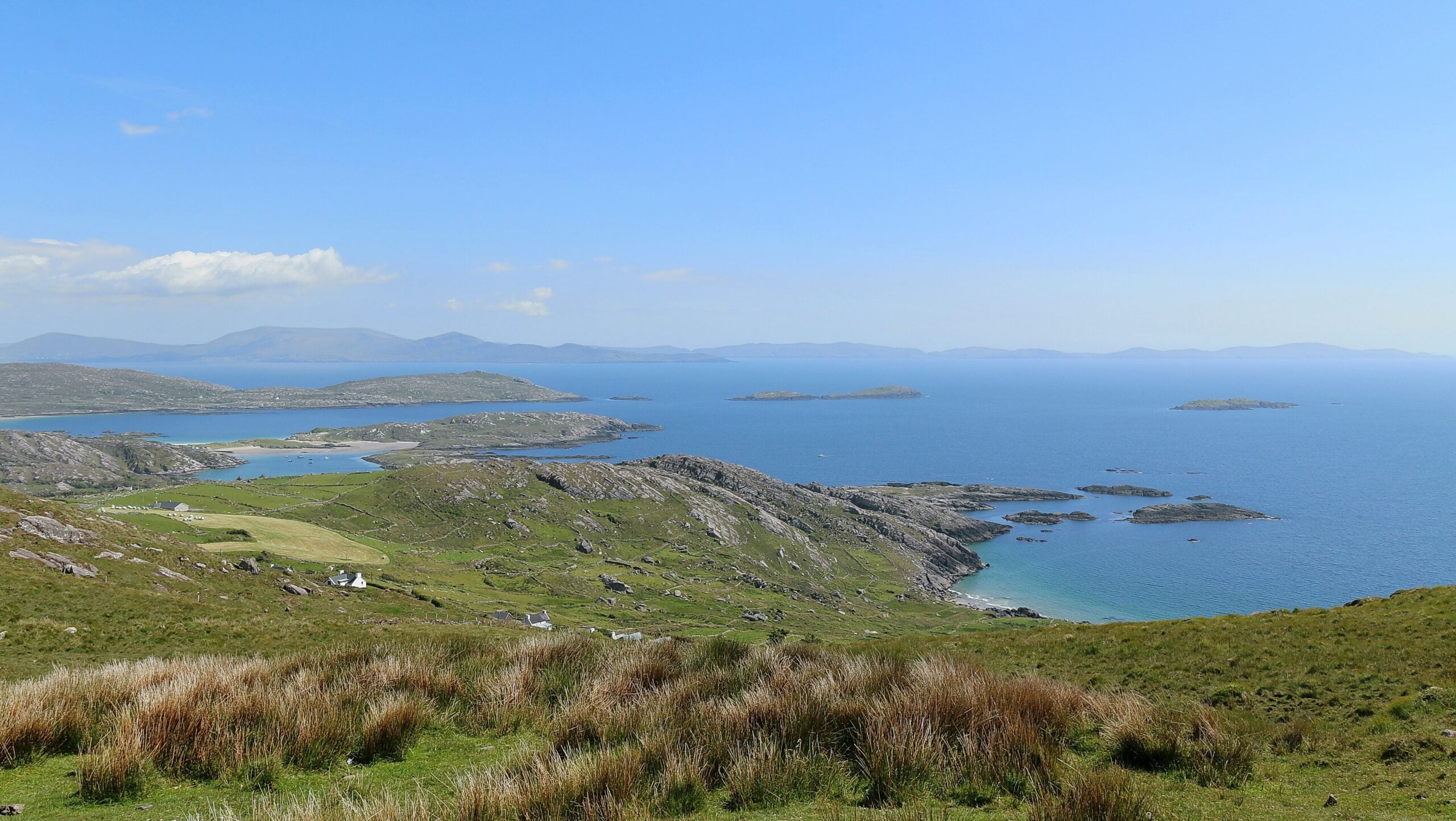
Kerry is home to Ireland’s highest mountain (Carrauntoohil, 1,038 metres), its most famous driving route (the Ring of Kerry), and some of its oldest surviving historical sites. The county spans over 4,700 square kilometres and boasts a coastline so indented with bays, peninsulas, and islands that it feels far larger than it is. The landscape shifts constantly — from lush green valleys to stark, wind-battered cliffs — and around every bend there’s another view that demands you pull over and simply stare.
But Kerry isn’t just scenery. It’s one of Ireland’s strongest Gaeltacht (Irish-speaking) regions, particularly on the Dingle Peninsula, where you’ll hear Irish spoken in shops, pubs, and homes as a living, breathing first language. The traditional music scene here is among the finest in Ireland, and the food culture — built on Atlantic seafood, Kerry lamb, and artisan dairy — has made the county a genuine culinary destination.
The Must-See Attractions
The Ring of Kerry
The Ring of Kerry is a 179-kilometre circular driving route that loops around the Iveragh Peninsula, and it’s one of the most popular tourist routes in Ireland for very good reason. The drive passes through Killorglin, Cahersiveen, Waterville, Sneem, and Kenmare, with jaw-dropping Atlantic views, mountain passes, and charming villages at every turn. Most tour buses travel anti-clockwise, so if you’re driving yourself, go clockwise to avoid the crowds and enjoy the views from the correct side of the road.
Key stops along the Ring include Derrynane House (the ancestral home of Daniel O’Connell, “The Liberator”), the colourful village of Sneem, the stunning Coomakista Pass viewpoint, and the photogenic village of Waterville — once a favourite retreat of Charlie Chaplin, who is commemorated with a bronze statue on the seafront.
The Dingle Peninsula
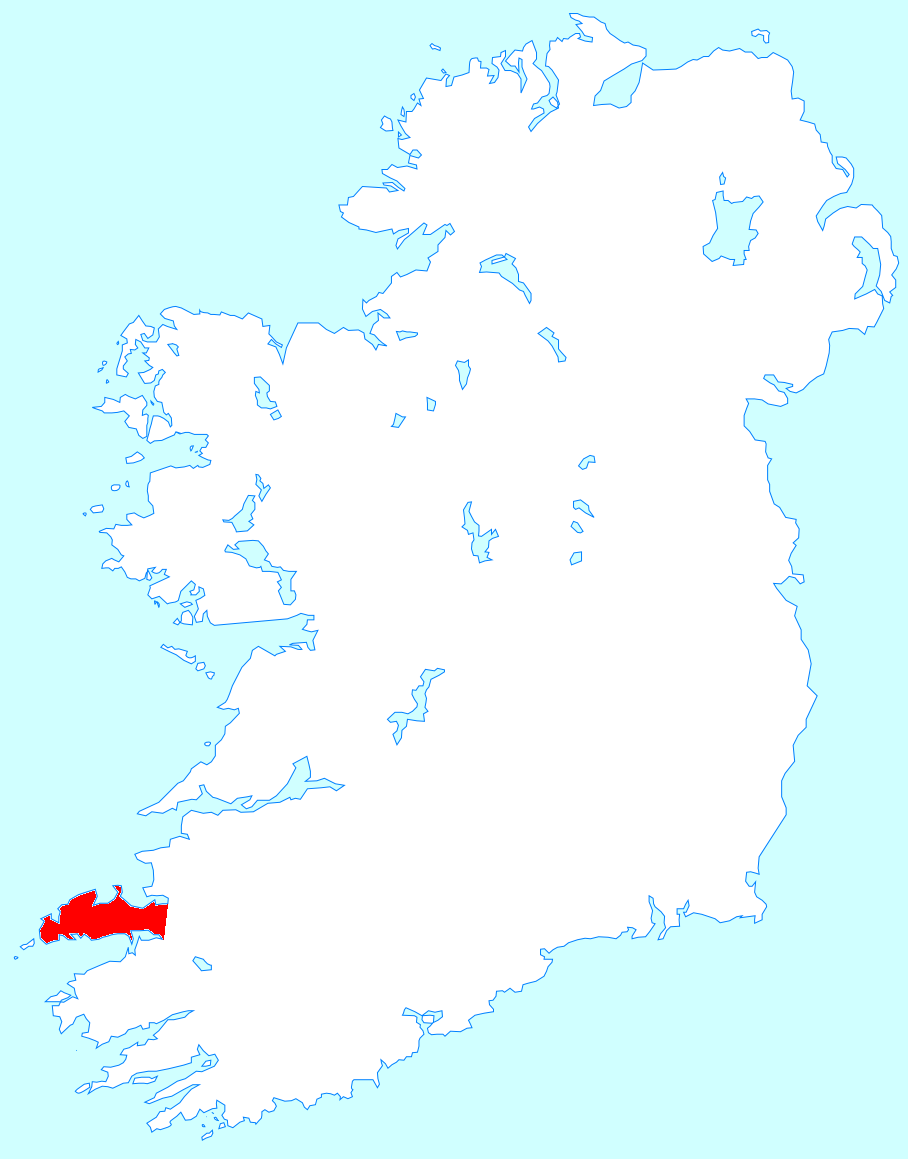
If the Ring of Kerry is the famous sibling, the Dingle Peninsula is the quieter, more artistic one. Slea Head Drive, which loops around the western tip of the peninsula, rivals the Ring of Kerry for scenery but with a fraction of the traffic. The road winds past ancient beehive huts (clocháns), dramatic cliff edges, and views out to the Blasket Islands — once home to a tiny Irish-speaking community whose memoirs are among the treasures of Irish literature.
Dingle town itself is a delight: a harbour town packed with traditional pubs (many with live music nightly), excellent seafood restaurants, and a creative energy that attracts artists, writers, and musicians from across Ireland and beyond. Don’t miss Murphy’s Ice Cream — made with Kerry cream and Dingle sea salt, it’s become something of a pilgrimage for food lovers.
Love Ireland? Get our free weekly newsletter
The best of Ireland delivered to your inbox every Tuesday — hidden gems, travel tips, culture, and stories you won’t find anywhere else.
Skellig Michael
Rising dramatically from the Atlantic Ocean, 12 kilometres off the Kerry coast, Skellig Michael is a UNESCO World Heritage Site and one of the most extraordinary places in all of Ireland. Early Christian monks established a monastery on this jagged rock pinnacle in the 6th century, and the beehive-shaped stone cells they built still stand today — a testament to astonishing faith and engineering. The 618 stone steps carved into the cliff face lead up to the monastery, with the vast Atlantic churning below.
Skellig Michael gained worldwide fame as a filming location for Star Wars: The Force Awakens and The Last Jedi, but its real magic is far older than any film franchise. Boat trips depart from Portmagee and Valentia Island (weather permitting — the crossing can be rough), and landing permits are strictly limited, so book well in advance.
Killarney National Park
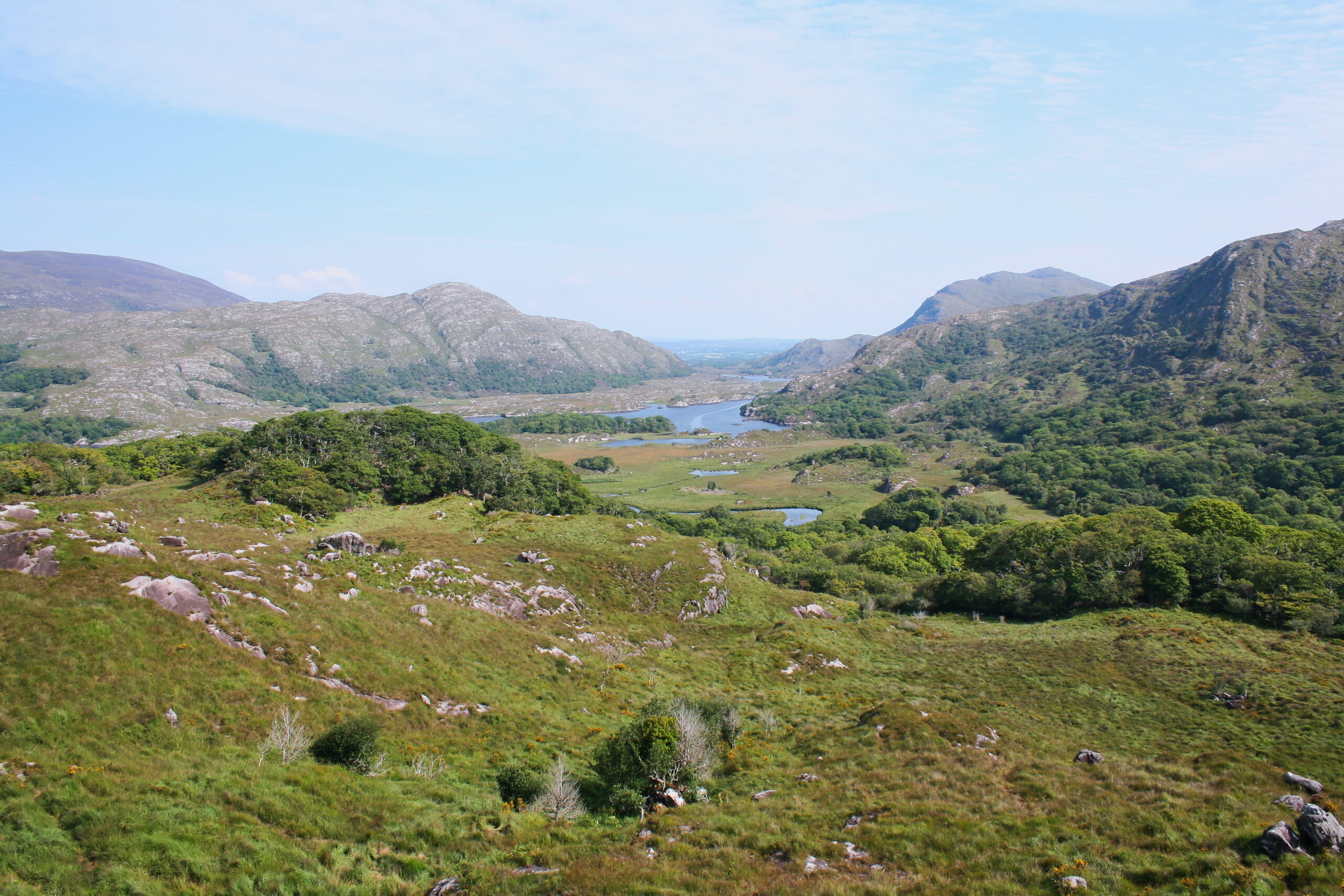
Ireland’s first national park, established in 1932, covers over 10,000 hectares of mountains, lakes, and ancient oakwoods. The Lakes of Killarney — Lough Leane, Muckross Lake, and Upper Lake — are framed by mountains and blanketed in native woodland that’s home to Ireland’s only wild herd of native red deer.
Muckross House, a magnificent Victorian mansion within the park, is open to visitors and surrounded by stunning gardens. The Torc Waterfall, a short walk from the Muckross road, is one of Kerry’s most photographed spots, especially after rainfall when the cascade is at its most powerful. For the more adventurous, the Gap of Dunloe — a narrow mountain pass carved by glaciers — offers some of the most dramatic walking in Ireland.
Hidden Gems Most Tourists Miss
Valentia Island
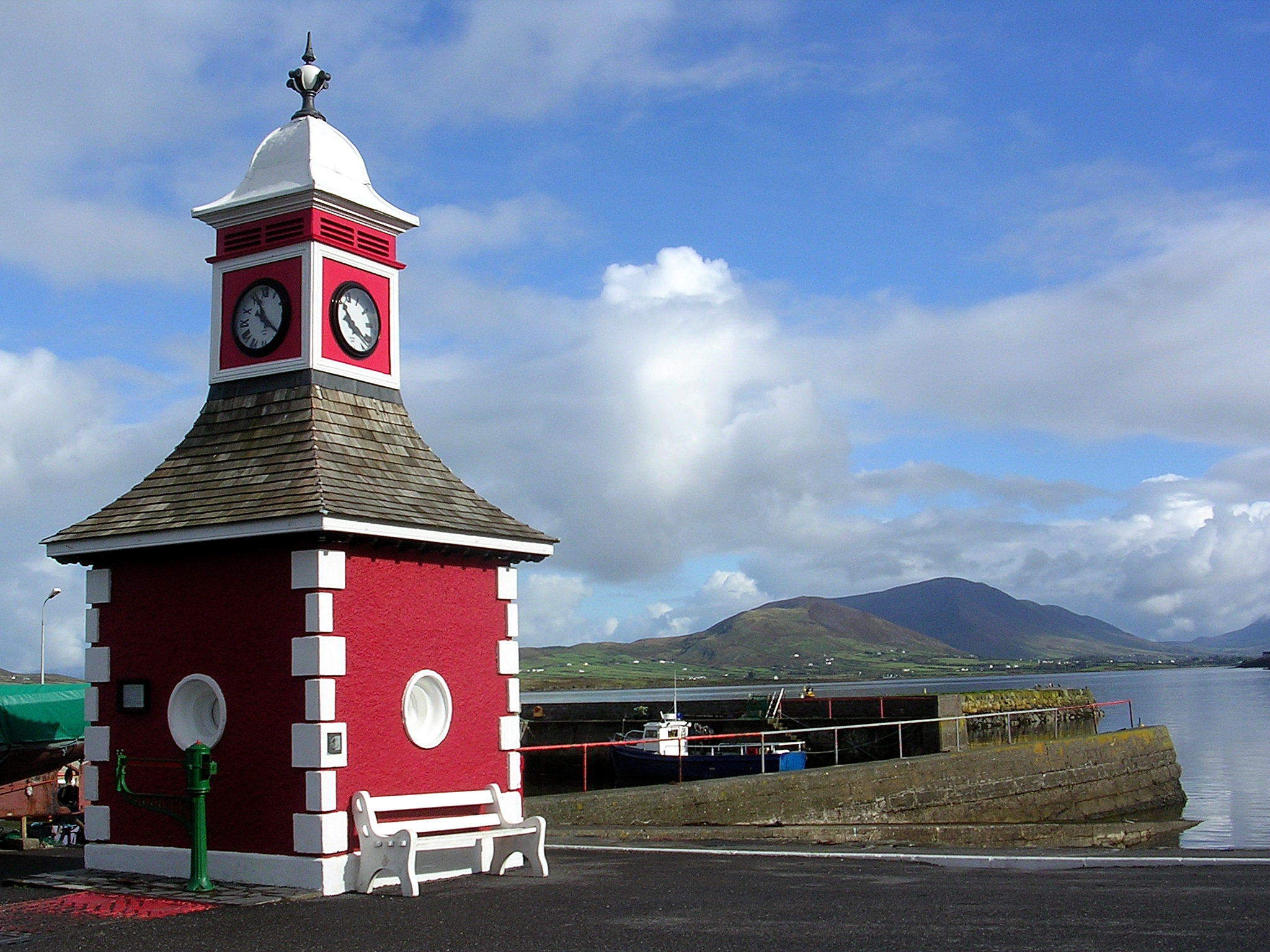
Connected to the mainland by bridge at Portmagee, Valentia Island is often overlooked by visitors racing around the Ring of Kerry. That’s their loss. The island is home to the Tetrapod Trackway — fossilised footprints left by one of the earliest creatures to walk on land, dating back 385 million years. The Geokaun Mountain viewpoint offers 360-degree panoramas of the Kerry coastline, and the old slate quarry (which supplied the roof of the Houses of Parliament in London) is a haunting, beautiful spot.
☘️ Enjoying this? 64,000+ Ireland lovers get stories like this every week. Subscribe free →
Rossbeigh Beach
A long sand spit jutting into Dingle Bay, Rossbeigh is one of Kerry’s finest beaches and far less crowded than the more famous Inch Beach. At low tide, the sand stretches seemingly forever, backed by dunes and mountains. It’s a magical spot for a walk, especially in the golden light of a Kerry evening.
The Beara-Breifne Way
While the Kerry Way gets most of the walking attention, the section of the Beara-Breifne Way that passes through south Kerry is superb — less trafficked, wonderfully wild, and steeped in the history of O’Sullivan Beare’s famous march of 1603.
Caherdaniel and Derrynane Bay
The tiny village of Caherdaniel, tucked away on the southern side of the Iveragh Peninsula, feels like a secret. Derrynane Bay, just below, has some of the clearest water in Ireland — on a calm day it looks almost Caribbean. The Abbey Island, accessible at low tide, adds an atmospheric touch of ancient history.
☘️ Enjoying this journey through Kerry?
Join 64,000+ readers who get stories like this delivered free every morning.
Best Time to Visit County Kerry
Kerry’s climate is mild and maritime, warmed by the Gulf Stream. Winters are rarely harsh, but rainfall is generous year-round — this is Ireland’s south-west coast, after all, and the lush green landscape has to come from somewhere.
May to September is the ideal window. June and July offer the longest daylight hours (sunset as late as 10pm), the warmest temperatures (15–20°C on a good day), and the best chance of calm seas for Skellig Michael boat trips. August can be busier with family holidays. September brings quieter roads, softer light, and the first hints of autumn colour in the national park.
Shoulder season (April and October) can be rewarding for those who don’t mind the odd shower. Accommodation is cheaper, the roads are quieter, and the landscape has a moody, dramatic quality that many photographers prefer. Winter visits are possible but limited — many attractions and boat services close from November to March.
The Cultural Heartbeat of Kerry
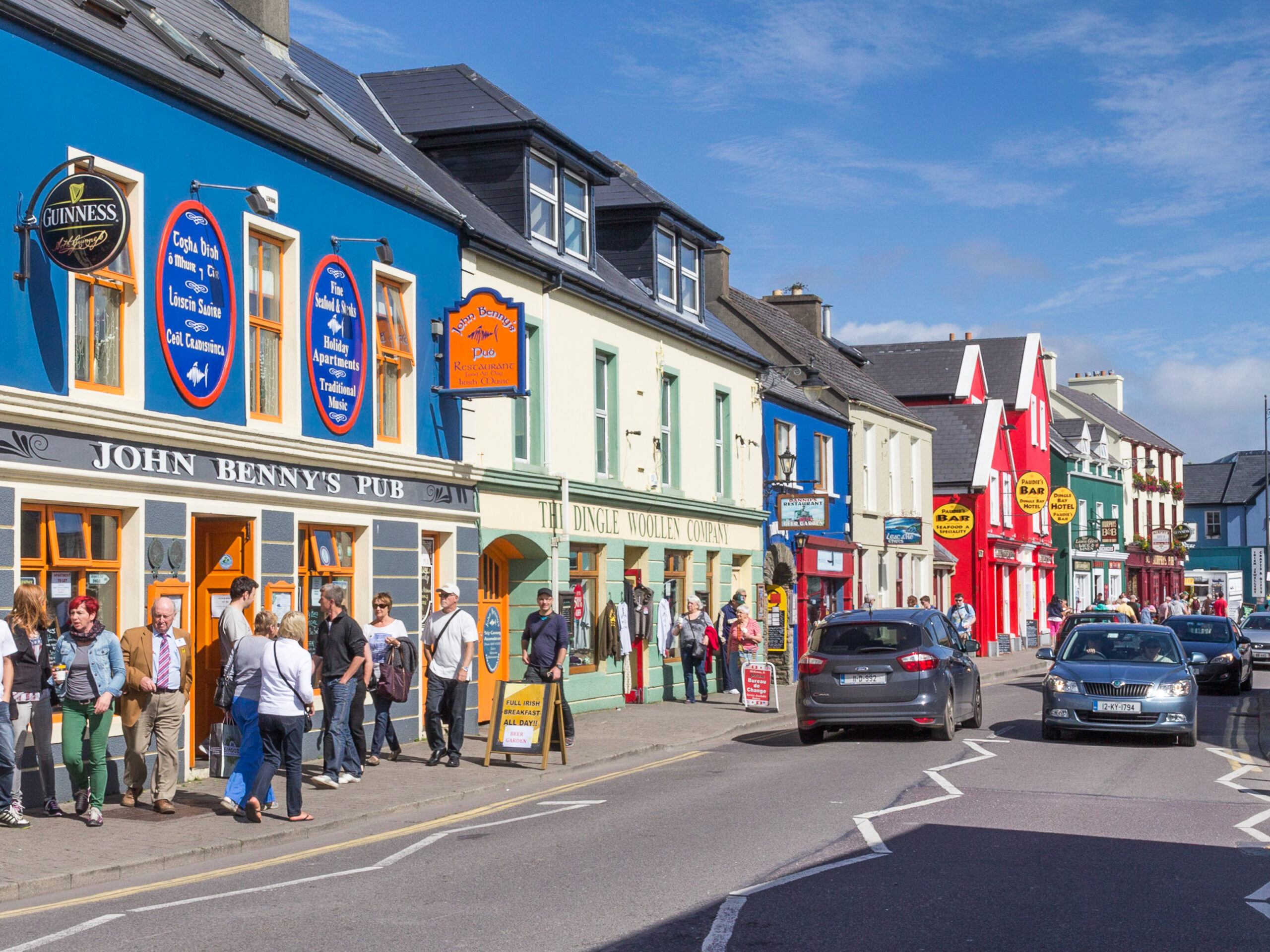
Kerry’s cultural identity runs deep. The county has produced some of Ireland’s greatest writers — John B. Keane, Brendan Kennelly, and the Blasket Island memoirists Peig Sayers, Tomás Ó Criomhthain, and Muiris Ó Súilleabháin. The literary tradition here is inseparable from the landscape — the wildness of the Atlantic, the isolation of the mountains, and the close-knit community life of rural Ireland.
Traditional Irish music thrives in Kerry. Dingle and Killarney both have pubs where sessions happen nightly, and the South Kerry region around Cahersiveen has a proud tradition of set dancing — Ireland’s answer to square dancing, performed with tremendous energy and skill. The Rose of Tralee festival, held every August, is one of Ireland’s most famous cultural events, drawing participants from Irish communities worldwide.
Practical Tips for Your Kerry Visit
- Getting there: Kerry Airport (Farranfore) has flights from Dublin and London. Cork and Shannon airports are also within easy reach. The train from Dublin to Killarney takes approximately 3.5 hours.
- Getting around: A hire car is essential for the Ring of Kerry and Slea Head Drive. Roads are good but narrow in places — take your time and enjoy the pace.
- Where to stay: Killarney is the main tourist hub with the widest range of accommodation. Dingle is more intimate and atmospheric. Kenmare is upmarket and elegant. For something truly remote, try Caherdaniel or Valentia Island.
- Budget tip: Many of Kerry’s best experiences — Killarney National Park, Slea Head Drive, coastal walks, traditional music sessions — are completely free.
- Pack layers: Kerry weather can change several times in a single day. A waterproof jacket and layers are non-negotiable, even in summer.
Next in the Series
This is the first article in our 32 Counties of Ireland series — a comprehensive journey through every county on the island. Each article is a deep-dive into what makes that county special: its landscapes, culture, history, and hidden corners. Follow along as we explore the full map of Ireland, one county at a time.
Coming next: County Cork — Ireland’s Rebel County and its extraordinary coastline, food scene, and vibrant city.
Join 64,000+ readers who love Ireland
Subscribe to the Love Ireland newsletter for weekly stories, hidden gems, and travel inspiration — delivered free every Tuesday.
☘️ Love learning about Ireland’s counties?
Join 64,000+ readers exploring Ireland — one story at a time. Free every morning.
☘️ You Might Also Love
☘️ Join 64,000+ Ireland Lovers
Every Friday, get Ireland’s hidden gems, local secrets, and travel inspiration — the kind you won’t find in any guidebook.
Free forever · Unsubscribe anytime · No spam
☘️ Want More Hidden Ireland?
Join 64,000+ subscribers who discover Ireland’s best-kept secrets every week.
Subscribe Free — Join the Community →
Free forever · Unsubscribe anytime · No spam
📥 Free Download: Ireland Travel Planning Guide
Our most popular resource — itineraries, insider tips, and the 50 places you must not miss.
Tours & experiences you might love


Powered by Viator. Some links are affiliate links — we may earn a small commission at no extra cost to you.
Secure Your Dream Irish Experience Before It’s Gone!
Planning a trip to Ireland? Don’t let sold-out tours or packed attractions spoil your journey. Iconic experiences like visiting the Cliffs of Moher, exploring the Rock of Cashel, or enjoying a guided walk through Ireland’s ancient past often sell out quickly—especially during peak travel seasons.

Booking in advance guarantees your place and ensures you can fully immerse yourself in the rich culture and breathtaking scenery without stress or disappointment. You’ll also free up time to explore Ireland’s hidden gems and savour those authentic moments that make your trip truly special.
Make the most of your journey—start planning today and secure those must-do experiences before they’re gone!