

Long before Magna Carta, long before English common law stretched its reach across the world, a legal system thrived on the western edge of Europe that most modern democracies would recognise as remarkably fair. The Brehon Laws — Ireland’s ancient legal code — protected the poor, punished the powerful, and gave women rights that the rest of the Western world wouldn’t catch up on for centuries.
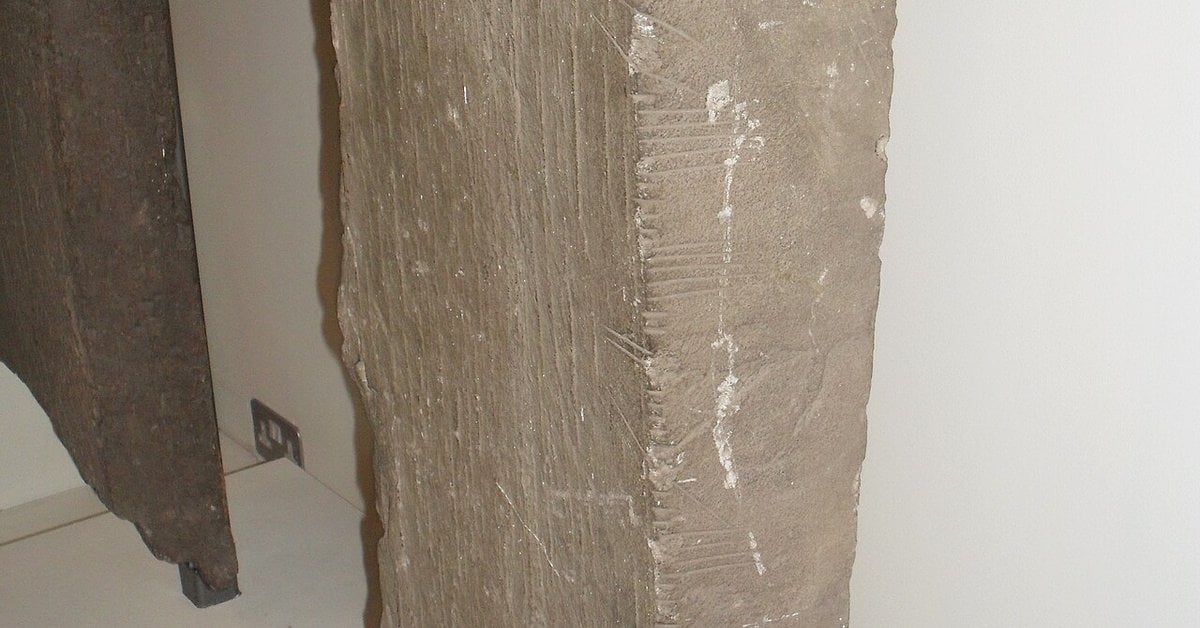
A Legal System Older Than Most Nations
The Brehon Laws — from breitheamh, the Irish word for judge — were developed over centuries and written down by scholars from as early as the 7th century. They governed every aspect of Irish life, from the value of a man’s oath to the rights of a bee that strayed into a neighbour’s garden.
Brehons were specialist lawyers who memorised vast legal tracts. They were neither appointed by kings nor answerable to them.
Their authority came from knowledge alone, and their judgements were enforced not by prison or punishment, but by social obligation and honour — a concept the Irish took very seriously indeed.
Women Under Brehon Law
This is where things get remarkable. Under English common law, women were the legal property of their fathers or husbands. In Ireland, centuries earlier, a woman could own property, initiate divorce, and seek compensation for a violent or unfaithful husband.
The laws recognised several types of marriage — including temporary partnerships entered into by mutual agreement. A woman who contributed equally to a household had equal say over it.
Women could also serve as Brehons themselves. Ireland had female judges and female poets — banfhili — at a time when the rest of Europe couldn’t conceive of women in public life at all.
The Law of Hospitality
One of the most distinctive features of Brehon Law was the obligation of hospitality. Every person, from king to farmer, was required to offer food and shelter to a traveller. To refuse was a legal offence, not merely a social one.
This wasn’t just generosity as a virtue — it was built into the legal structure of society. Those who held more wealth held greater obligations.
The idea that power came with responsibility, not entitlement, ran through every line of the code.
Bees, Trees, and the Value of a Blush
The Brehon Laws were extraordinarily specific. The Bechbretha — the Bee Judgements — set out the rights of beekeepers and their neighbours in exhaustive detail. If a neighbour’s bees gathered nectar from your flowers, you were entitled to a portion of the honey.
Trees had their own legal rankings. Felling a “chieftain tree” — an oak or a yew — carried severe penalties. The ash, the hazel, and the holly each had defined values.
One of the most human elements of all: causing public embarrassment carried legal consequences. A “blush fine” — eneclann — could be levied against anyone who humiliated another person. Dignity was not just a social norm. It was protected in law.
How It All Ended
The Brehon Laws survived centuries of Viking raids, Norman incursion, and internal rivalry. What they could not survive was the sustained campaign to dismantle them.
After the Tudor conquest in the 16th and 17th centuries, the practise of Brehon Law was outlawed. Brehons were criminalised. Their manuscripts were confiscated or destroyed. English common law was imposed across the island, and with it came the erasure of a distinctly Irish legal tradition.
Yet the manuscripts that survived — copied by monks and scholars who understood what was at risk — were eventually collected, translated, and published in the 19th century. Scholars who read them were astonished by their sophistication.
What They Tell Us About Ireland
The Brehon Laws don’t just tell us how ancient Ireland was governed. They tell us what the Irish valued: fairness, reciprocity, the dignity of every person, and the conviction that even a king could be held accountable.
If you’d like to understand more of how ancient Ireland expressed its identity through knowledge and craft, the hidden secrets inside the Book of Kells offer another extraordinary window into that world. And if you’re planning a visit to explore Ireland’s ancient sites for yourself, our Ireland trip planning guide is the perfect place to start.
The next time someone wonders why the Irish have such a fierce sense of fairness and such particular loyalty to their neighbours — perhaps the answer is older than anyone expects. It was written into law over a thousand years ago, on the green edge of the world.
☘️ You Might Also Love
64,000 Ireland lovers can’t be wrong.
Every week, our free newsletter delivers hidden gems, seasonal guides, local stories, and practical travel tips — straight to your inbox. Join the community that loves Ireland as much as you do.
☘️ Want More Hidden Ireland?
Join 64,000+ subscribers who discover Ireland’s best-kept secrets every week.
Subscribe Free — Join the Community →
Free forever · Unsubscribe anytime · No spam
📥 Free Download: Ireland Travel Planning Guide
Our most popular resource — itineraries, insider tips, and the 50 places you must not miss.
Tours & experiences you might love


Powered by Viator. Some links are affiliate links — we may earn a small commission at no extra cost to you.
Secure Your Dream Irish Experience Before It’s Gone!
Planning a trip to Ireland? Don’t let sold-out tours or packed attractions spoil your journey. Iconic experiences like visiting the Cliffs of Moher, exploring the Rock of Cashel, or enjoying a guided walk through Ireland’s ancient past often sell out quickly—especially during peak travel seasons.

Booking in advance guarantees your place and ensures you can fully immerse yourself in the rich culture and breathtaking scenery without stress or disappointment. You’ll also free up time to explore Ireland’s hidden gems and savour those authentic moments that make your trip truly special.
Make the most of your journey—start planning today and secure those must-do experiences before they’re gone!