

Every time someone says they’re “tying the knot,” they’re referencing an ancient Irish practice that most people know nothing about. Before diamond rings and church ceremonies, Ireland had a ritual far older — and far more honest.
What Handfasting Actually Was
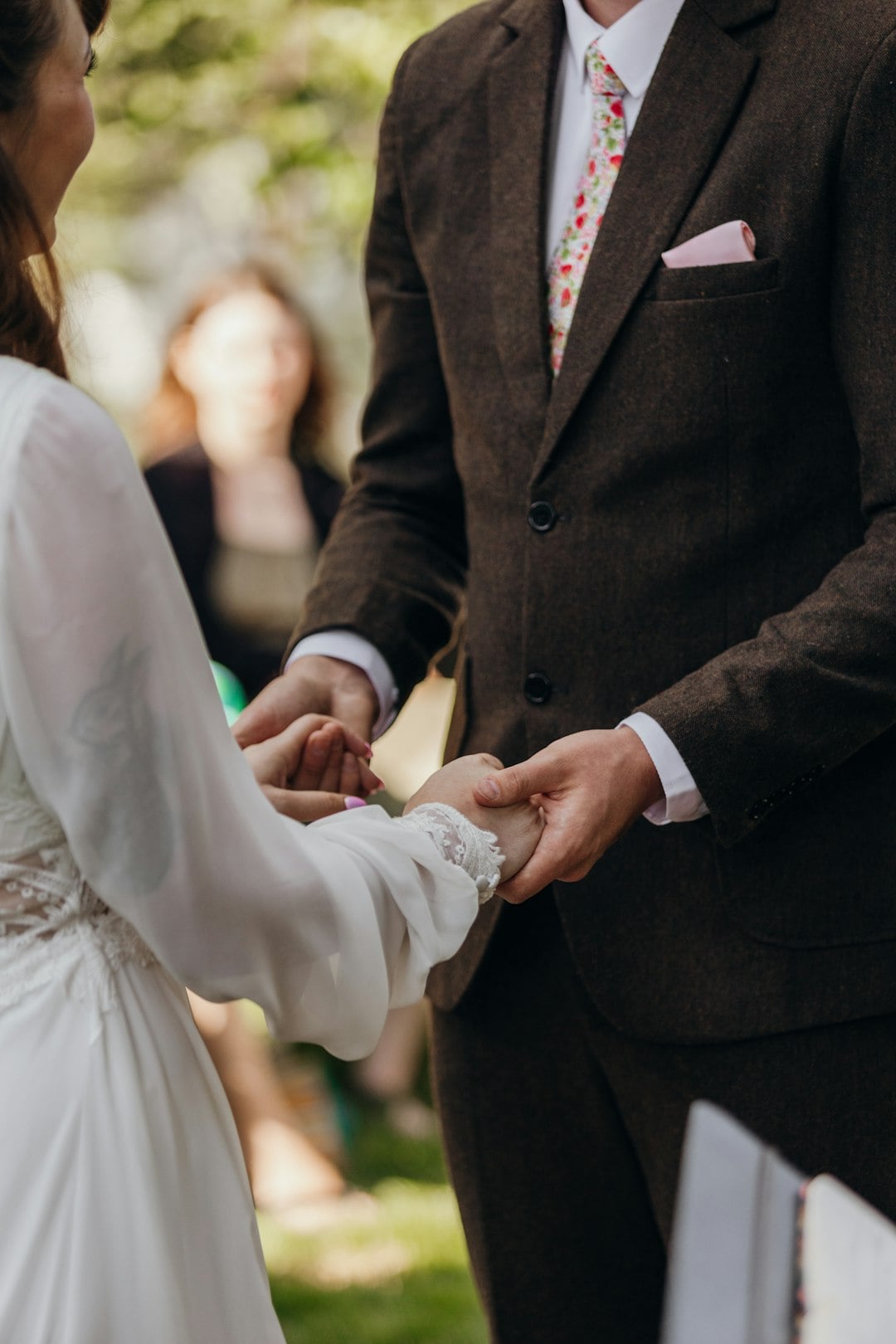
Handfasting was a formal betrothal ceremony practised across Celtic Ireland for centuries. A couple would stand before witnesses and have their hands literally bound together — wrist to wrist — with a cord or ribbon.
The binding was performed by a priest, a druid, or a respected elder in the community. It was public, witnessed, and legally recognised under Brehon Law — Ireland’s ancient legal code.
The phrase “tying the knot” comes directly from this moment. Not a metaphor. The knot was real.
The Year-and-a-Day Trial Marriage
Here is where it gets interesting. Many handfastings were not permanent. Under Brehon Law, a couple could enter a trial union for exactly one year and one day.
If, at the end of that period, either partner wished to walk away, they could — with no shame and no legal penalty. Property rights were protected, and any children were acknowledged and provided for.
It was a practical arrangement in a world where marriages were often economic decisions. The year-and-a-day gave couples time to know each other before committing for life.
The Cord and Its Colours
The cord used in handfasting was not chosen at random. Different colours carried different meanings, and families took the choice seriously.
Red was for passion and strength. White for purity and new beginnings. Blue for loyalty and fidelity. Green for growth and the hope of a family. Gold for prosperity and a long life together.
Some ceremonies used multiple cords braided together, each colour representing what the couple was promising the other. The bound hands formed the shape of an infinity symbol — endless, unbroken.
☘️ Enjoying this? 64,000+ Ireland lovers get stories like this every week. Subscribe free →
How Brehon Law Made It Official
Brehon Law was Ireland’s sophisticated legal system, developed over two thousand years and only fully suppressed in the seventeenth century. Within this system, marriage had nine recognised forms.
Handfasting sat among the most respected. Both parties had to consent. Both brought property to the union, and both retained rights to it. A wife could own land, run a business, and divorce her husband if he failed to provide or was unfaithful.
When the Normans arrived and the Church tightened its grip on marriage laws, handfasting gradually shifted from a legal ceremony to a folk tradition. But it never fully disappeared.
The Lisdoonvarna Connection
Even as formal handfasting faded, the underlying Irish instinct to formalise commitment in community survived. The matchmaking festivals that became famous in Lisdoonvarna, County Clare, carried echoes of the same impulse — finding a partner openly, before witnesses, with the whole community involved.
The Claddagh ring, with its hands clasping a crowned heart, also speaks to the same tradition. The hands represent friendship; the heart, love; the crown, loyalty. Together, they describe exactly what a handfasting cord was meant to bind.
Handfasting Today
Handfasting has seen a quiet revival in recent decades, both in Ireland and among the Irish diaspora. Couples are choosing to incorporate the cord-binding into their ceremonies — sometimes alongside a civil or religious service, sometimes as the ceremony itself.
In Ireland, where humanist and independent celebrants have become increasingly common, handfasting fits naturally. It is personal, symbolic, and deeply rooted in the land.
If you are planning a trip to Ireland, you may even witness a handfasting ceremony at one of the ancient stone circles or hillforts scattered across the country. They are becoming a popular setting — places where the ritual has always felt it belongs.
The knot was never just a saying. In Ireland, it was a promise made in public, witnessed by community, and bound by cord. Some things, it turns out, are worth reviving.
☘️ You Might Also Love
Tours & experiences you might love


Powered by Viator. Some links are affiliate links — we may earn a small commission at no extra cost to you.
Secure Your Dream Irish Experience Before It’s Gone!
Planning a trip to Ireland? Don’t let sold-out tours or packed attractions spoil your journey. Iconic experiences like visiting the Cliffs of Moher, exploring the Rock of Cashel, or enjoying a guided walk through Ireland’s ancient past often sell out quickly—especially during peak travel seasons.

Booking in advance guarantees your place and ensures you can fully immerse yourself in the rich culture and breathtaking scenery without stress or disappointment. You’ll also free up time to explore Ireland’s hidden gems and savour those authentic moments that make your trip truly special.
Make the most of your journey—start planning today and secure those must-do experiences before they’re gone!