

Most instruments in an Irish session have centuries of documented history. The fiddle, uilleann pipes, tin whistle — all traceable through generations of players and parishes. The bodhrán is different. Even its name is a puzzle.
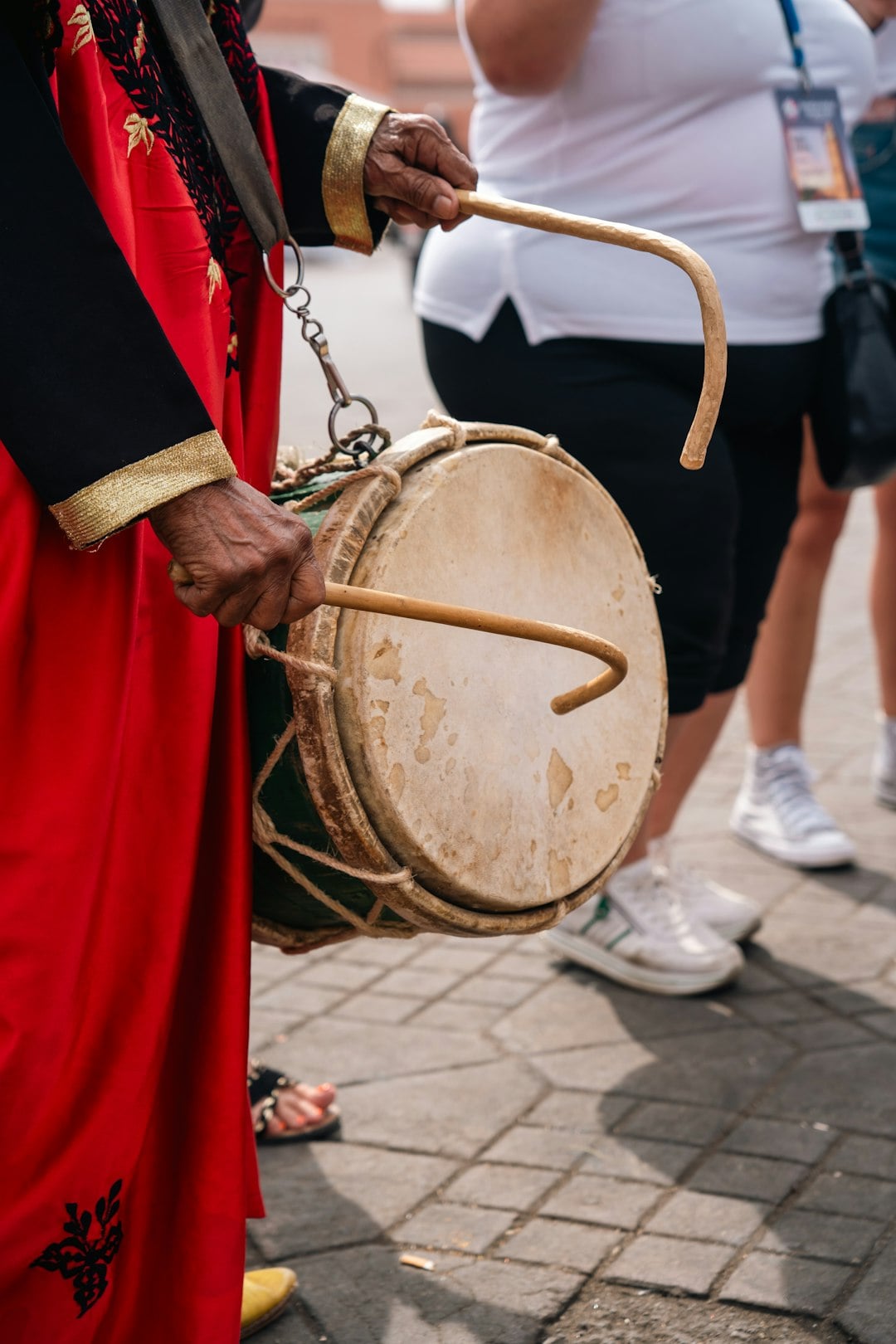
A Name That Still Sparks Arguments
The word “bodhrán” is usually translated as “deaf drum” — from the Irish bodhar, meaning deaf or dull. Some say it describes the muffled, earthy sound the drum makes when struck.
Others argue the root means muddy, or that the word originally referred to a type of winnowing tray — the shallow wooden frame used for sifting grain on Irish farms.
Linguists and folklorists have never fully agreed. That lack of consensus is itself a clue about just how unusual this instrument really is.
Did It Even Exist Before the 1960s?
This is the question that divides musicians. Most traditional instruments — fiddle, flute, uilleann pipes — have deep and well-documented roots. The bodhrán’s history is far less clear.
Folklorist Breandán Breathnach, one of Ireland’s most respected authorities on traditional music, argued there was no evidence of the bodhrán as a session instrument before the 1960s.
The counterargument points to Wren Day — the Wren Boys’ procession on 26th December — where frame drums appeared in some rural communities. Whether that counts as a musical tradition or a ceremonial prop is still debated.
The Man Who Changed Everything
Most music historians credit Seán Ó Riada with bringing the bodhrán into mainstream traditional music. When he formed Ceoltóirí Chualann in the early 1960s, he introduced the drum as part of the ensemble.
Ó Riada had a vision for Irish music that was entirely new — moving it from solo performance into an orchestral, collective sound. The bodhrán gave that ensemble a rhythmic foundation it had never had before.
When the Chieftains took that sound global in the 1970s, the bodhrán went with them. Within a generation, it was in every session from Dublin to Boston.
☘️ Enjoying this? 64,000+ Ireland lovers get stories like this every week. Subscribe free →
Why Session Musicians Take It Seriously
There’s an old joke in Irish trad circles: “What do you call a bodhrán player with half a brain? Gifted.” It’s unkind — but it points to something real.
The bodhrán is arguably the easiest traditional instrument to pick up and the hardest to play well. A poor player can overwhelm every other instrument in the room. Sessions have been ruined by someone who confused enthusiasm with skill.
Unwritten rules apply firmly. You don’t join in without a nod from the other musicians. You match the rhythm — you don’t impose your own. And you learn when silence is better than sound. This guide covers the unspoken etiquette that locals never explain to visitors.
The Tipper and the Technique
Playing a bodhrán looks simple. A shallow wooden frame, a goatskin (or synthetic) head, and a small double-headed beater called a tipper — or cipín in Irish.
The technique is far subtler than it appears. The left hand presses the inside of the drum skin to control pitch and tone. The right hand rolls the tipper back and forth in a fluid wrist motion — not a striking action, more of a continuous rolling sweep.
Different regions developed different styles. Clare players tend towards a driving, rolling rhythm. Other traditions use a single-headed tipper, or even play with the hand alone. There is no single correct way.
Where to Hear It at Its Best
County Clare remains the spiritual home of the bodhrán. Towns like Doolin, Ennistymon, and Miltown Malbay are full of sessions where the drum is used with precision and real purpose.
The Willie Clancy Summer School in Miltown Malbay — held every July — draws the finest traditional musicians in Ireland for a full week of workshops and late-night sessions. If you want to hear a bodhrán played properly, this is where to come.
You can find more ideas on timing your visit around events like this in our Ireland trip planning hub.
The bodhrán remains genuinely enigmatic. That’s part of its appeal. An instrument that might be 60 years old, or might stretch back centuries — nobody truly knows. But the next time you hear that steady pulse beneath a fiddle reel in a darkened Irish pub, you’re listening to something that changed traditional music forever. And, in its way, changed Ireland along with it.
☘️ You Might Also Love
☘️ Join 64,000+ Ireland Lovers
Every Friday, get Ireland’s hidden gems, local secrets, and travel inspiration — the kind you won’t find in any guidebook.
Love more? Join 43,000 Scotland lovers → · Join 30,000 Italy lovers → · Join 7,000 France lovers →
Free forever · · Unsubscribe anytime
Tours & experiences you might love


Powered by Viator. Some links are affiliate links — we may earn a small commission at no extra cost to you.
Secure Your Dream Irish Experience Before It’s Gone!
Planning a trip to Ireland? Don’t let sold-out tours or packed attractions spoil your journey. Iconic experiences like visiting the Cliffs of Moher, exploring the Rock of Cashel, or enjoying a guided walk through Ireland’s ancient past often sell out quickly—especially during peak travel seasons.

Booking in advance guarantees your place and ensures you can fully immerse yourself in the rich culture and breathtaking scenery without stress or disappointment. You’ll also free up time to explore Ireland’s hidden gems and savour those authentic moments that make your trip truly special.
Make the most of your journey—start planning today and secure those must-do experiences before they’re gone!