

Before there were funeral parlours and careful condolences, there was the wake. And the Irish wake was nothing like what outsiders might expect.
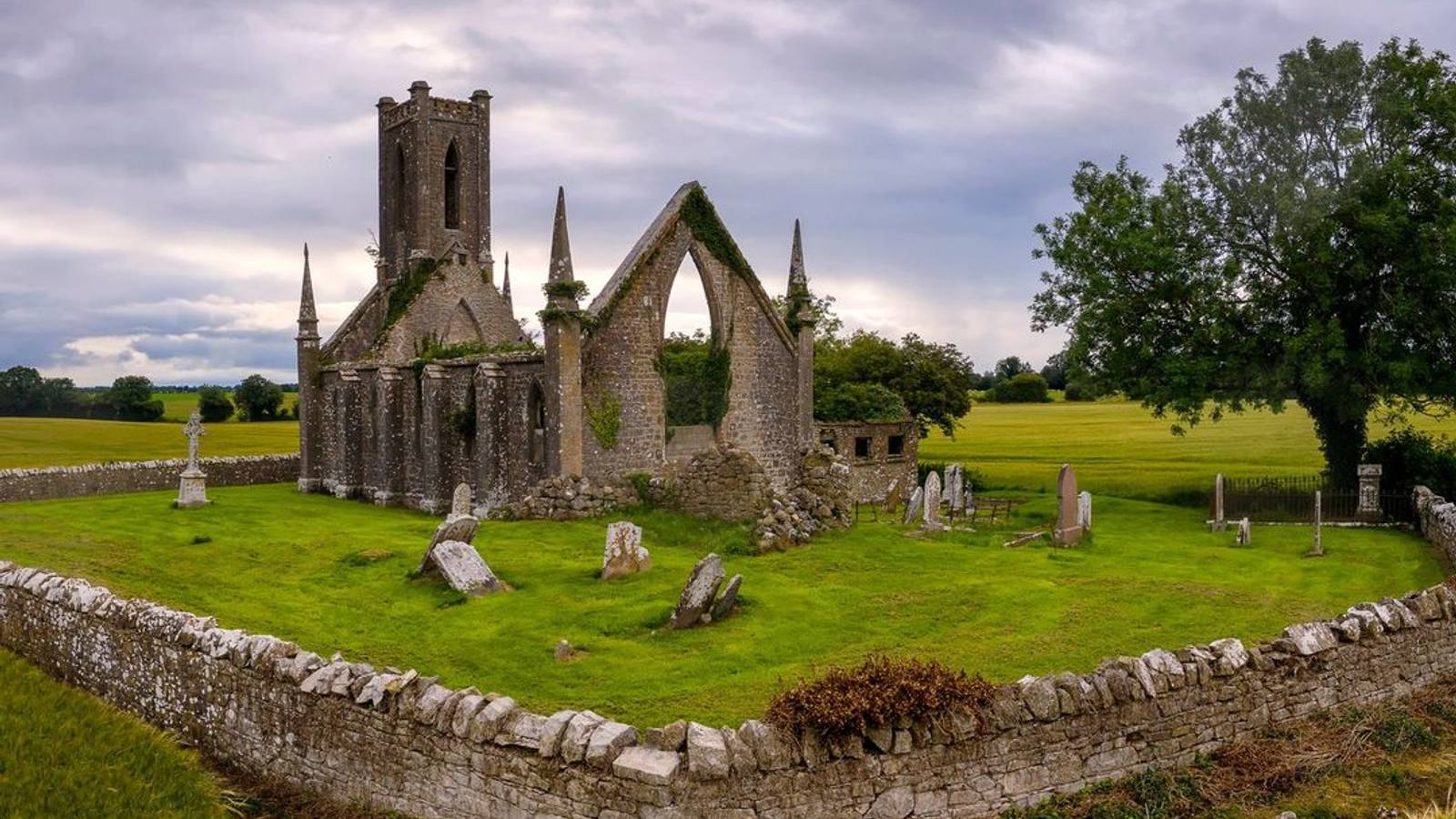
The House That Never Slept
When someone died in rural Ireland, the body stayed home. Not in a clinical room — in the parlour, on a table, dressed in their good clothes and laid out for all to see.
The neighbours came that evening. Then more neighbours. They kept coming through the night.
This was the wake — a vigil that could last until burial, sometimes two full days. Everyone in the townland was expected to attend. To stay away was a mark of disrespect the village remembered for years.
The family received visitors while exhausted with grief, yet the house was alive. Tea brewed without stopping. Bread passed from hand to hand. Someone always produced a bottle. The deceased lay at the centre of it all, the host of the last gathering they would ever hold.
The Games That Shocked the Clergy
This is the part that surprises people most. Irish wakes were not always solemn.
In earlier centuries, wake games were standard — rough, rowdy, and occasionally bawdy. Games involving kissing, riddles, mock trials, and physical contests. Some had roots in fertility rites that predated Christianity by centuries.
The Church tried to ban them repeatedly. Parish priests condemned them from pulpits across the country. The people played them anyway.
The logic was simple, even if uncomfortable. Death and life were neighbours. While someone lay still in the corner, the community reaffirmed it was still here — breathing, laughing, alive. A skilled Irish storyteller was worth his weight at a wake, holding the room all night with tales about the deceased — their quirks, their kindnesses, their famous stubbornness.
Keening — the Sound That Split the Night
Before the games and the stories, there was keening.
The word comes from the Irish caoine, meaning to weep or lament. But keening was not ordinary crying. It was a formal, structured wailing — performed by women, often the same women from the same families across generations.
A skilled keener could hold an entire room in frozen silence. She would recite the dead person’s lineage, their virtues, their land, their people. The sound was part chant, part scream, and entirely Irish.
☘️ Enjoying this? 64,000+ Ireland lovers get stories like this every week. Subscribe free →
The Church spent decades trying to suppress it, calling it pagan. It was. It was also completely genuine. By the twentieth century, keening had almost vanished from Irish life — but old wax cylinder recordings survive with the sound of raw grief preserved inside them.
Clay Pipes and the Final Hospitality
Tobacco was not optional at an Irish wake. It was an obligation.
Short white clay pipes — cheap and plentiful — were laid out for every visitor. Smoking was connected in Irish folk belief to the safe passage of the soul. A house that failed to provide enough pipes was talked about unfavourably for years afterwards.
The pipe was the communion of the wake. Poitin sometimes appeared too, though that was never said aloud. And whiskey — always whiskey.
To offer hospitality to mourners was the family’s final public act of dignity. A declaration that even in grief, the house had not given up on the living.
Mirrors Covered, Clocks Stopped
The rituals around the body ran deep into Irish custom.
Mirrors were covered with dark cloth. Some believed this prevented the soul from becoming trapped in its own reflection. Others said it kept the living from seeing death looking back at them.
Clocks were stopped at the moment of death. Time, for this household, was suspended until the burial was complete.
Windows were opened slightly after the death — to let the soul out — then closed again after a proper interval. The customs were not written down anywhere. They passed from mother to daughter, neighbour to neighbour, as naturally as prayer. If you are planning a trip to Ireland and want to understand the country at its deepest, these are the traditions worth knowing.
What Ireland Kept
The Irish wake has changed. Bodies go to funeral homes now. All-night vigils are rare. The games have long since disappeared.
But something of the spirit survives. At Irish funerals today, people still laugh. They still tell stories about the dead. They stay too long, drink more than they planned, and leave feeling oddly alive.
That is the inheritance. The ancient Irish understanding of death was never about hiding it. It was about sitting with it — all night if necessary — until the grief had been properly shared.
If you travel to Ireland and are welcomed into a funeral, take the seat. It is one of the most honest things this country still does — the place where death is not hidden away but received like a difficult, familiar old friend.
☘️ You Might Also Love
Tours & experiences you might love


Powered by Viator. Some links are affiliate links — we may earn a small commission at no extra cost to you.
Secure Your Dream Irish Experience Before It’s Gone!
Planning a trip to Ireland? Don’t let sold-out tours or packed attractions spoil your journey. Iconic experiences like visiting the Cliffs of Moher, exploring the Rock of Cashel, or enjoying a guided walk through Ireland’s ancient past often sell out quickly—especially during peak travel seasons.

Booking in advance guarantees your place and ensures you can fully immerse yourself in the rich culture and breathtaking scenery without stress or disappointment. You’ll also free up time to explore Ireland’s hidden gems and savour those authentic moments that make your trip truly special.
Make the most of your journey—start planning today and secure those must-do experiences before they’re gone!