

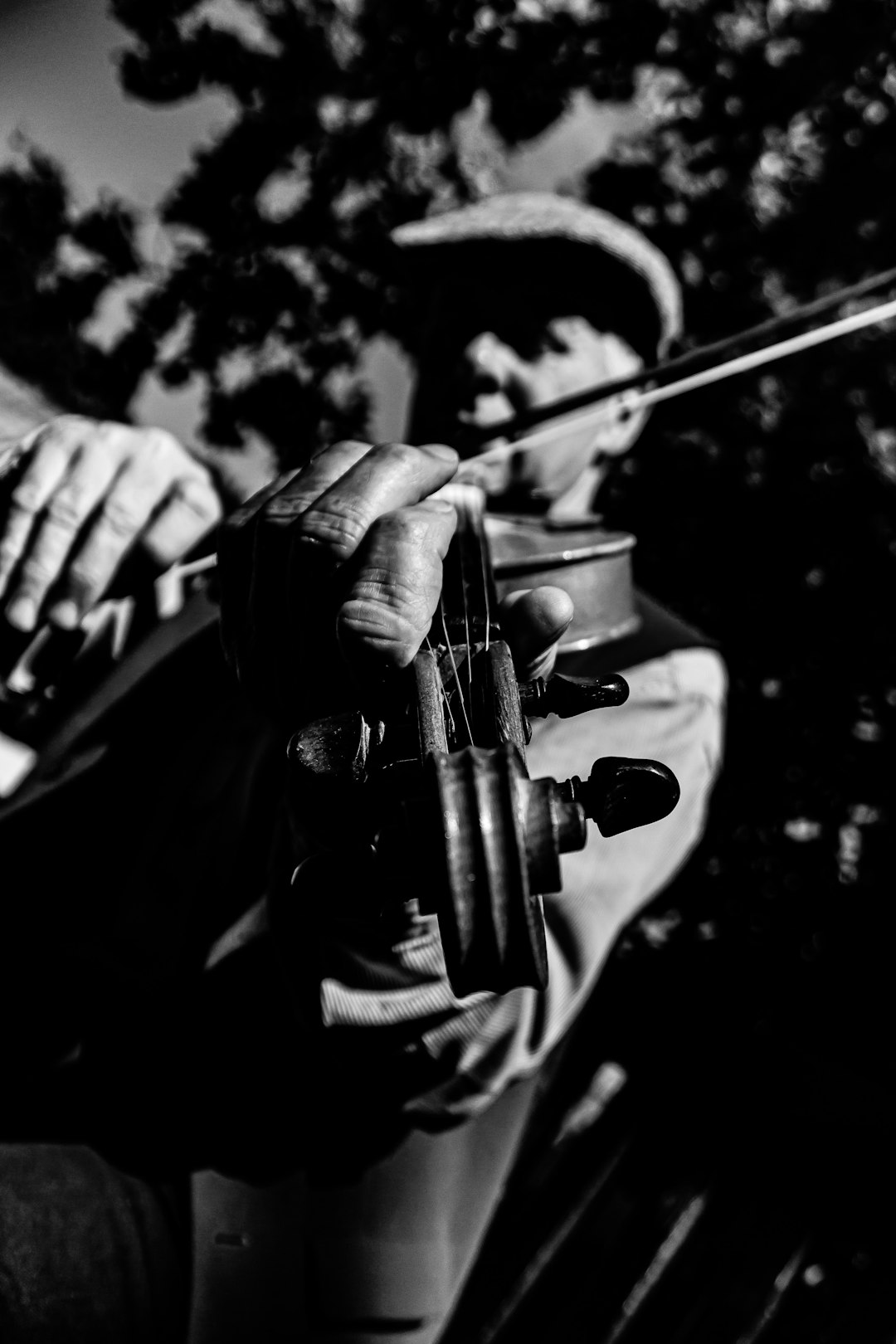
If you’ve ever wandered into an Irish pub on a Wednesday night and stumbled upon a cluster of musicians playing quietly in the corner, you’ve witnessed something that looks effortlessly casual but runs on rules as old as the hills of Clare. The trad session is one of the most alive and most misunderstood traditions in Ireland — and knowing what to do, and what absolutely not to do, separates the welcomed guest from the quietly ejected stranger.
Nobody Is in Charge — and That’s the Point
There is no conductor at an Irish trad session. No setlist. No stage.
The music begins when one musician strikes up a tune, and others join in if they know it. If you don’t know the tune, you wait. This is the first and perhaps most important rule: silence is never awkward — it’s respectful.
Sessions are democratic by nature. The hierarchy, if one exists at all, belongs to whoever has played longest in that particular corner of Ireland. Age and experience command quiet authority, never announced and never argued with.
You Listen Before You Play
Even experienced musicians will sit and listen for several sets before contributing. You’re learning the session’s flavour — the key it tends to play in, the tempo it prefers, the tunes it reaches for again and again.
Walking in and immediately launching into a polka at a session rooted in slow airs from Connemara is a social offence that no one will mention out loud. They’ll simply leave space for you to realise your error.
The first rule of joining a session is simple: arrive early, order a drink, and just listen. Watch how the different regional styles in Irish fiddle emerge naturally as the night unfolds — no two sessions sound quite the same.
The Bodhrán Problem (and Why Everyone Knows About It)
The bodhrán — the frame drum that became shorthand for Irish music worldwide — has a complicated reputation within the session world.
Played well, it frames the music beautifully. Played poorly, it drowns everything out. This is why many sessions in certain parts of the country carry an informal understanding that bodhrán players need to be welcomed in before they pick up the stick.
If you’ve brought one in your bag, wait for an invitation. If that invitation doesn’t come, put it back. This isn’t cruelty — it’s the session protecting itself and the music it holds.
Requests Are Complicated
Asking a session musician to play a specific tune requires some care.
The polite approach is to mention a tune you love and see whether it lands warmly. The wrong approach is demanding “Danny Boy” or “Whiskey in the Jar” — both associated with performance or singalong rather than the deeply serious craft of an authentic session.
You can buy a musician a pint. You cannot buy the session’s repertoire. The two things are entirely different currencies.
The Silence Between the Sets
After a set of tunes finishes, there is a moment of stillness. This is not an invitation to burst into applause as though you’re at a concert.
A gentle round of appreciation — a knock on the table, a quiet “fair play” — is the done thing. Whooping and cheering belongs at a gig, not a session.
That pause also has a function: tunes are chosen, suggestions are made, and easy conversation flows between musicians who have spent hours in each other’s company without needing to say much at all. The silence is as much a part of the music as the notes.
Not All Sessions Are the Same
There are tourist sessions and there are real sessions — and the difference is usually obvious within minutes.
A tourist session happens in a beautifully lit pub at eight o’clock, with a tip jar on the table and a schedule on the website. These have their place and can be genuinely enjoyable — particularly for visitors who have never heard live trad music before.
A real session starts when it starts, ends when it ends, and has no interest in being photographed. The musicians have been meeting in that corner for twenty years. They play from memory, muscle, and something harder to name. The Irish pub has always been more than a place to drink — and the session is proof of that.
If you’re lucky enough to find a real one, treat it the way you’d treat any sacred space: with gratitude and quiet respect.
A Living Archive
Ireland’s trad sessions have survived famine, diaspora, and the arrival of every new kind of music. They continue because they are not performance — they are practice. They are how one generation hands music to the next, without fanfare, without a formal teacher, simply by sitting in the same room and playing.
If you’re planning a trip to Ireland, find a session. Pull up a stool. Order a pint. And listen. What you’ll hear has been passed hand to hand for centuries.
Love Ireland? So do 65,000 of us.
Join the Love Ireland newsletter — free stories of Irish heritage, hidden gems, and the magic of the Emerald Isle delivered to your inbox.
☘️ Want More Hidden Ireland?
Join 64,000+ subscribers who discover Ireland’s best-kept secrets every week.
Subscribe Free — Join the Community →
Free forever · Unsubscribe anytime · No spam
📥 Free Download: Ireland Travel Planning Guide
Our most popular resource — itineraries, insider tips, and the 50 places you must not miss.
Tours & experiences you might love


Powered by Viator. Some links are affiliate links — we may earn a small commission at no extra cost to you.
Secure Your Dream Irish Experience Before It’s Gone!
Planning a trip to Ireland? Don’t let sold-out tours or packed attractions spoil your journey. Iconic experiences like visiting the Cliffs of Moher, exploring the Rock of Cashel, or enjoying a guided walk through Ireland’s ancient past often sell out quickly—especially during peak travel seasons.

Booking in advance guarantees your place and ensures you can fully immerse yourself in the rich culture and breathtaking scenery without stress or disappointment. You’ll also free up time to explore Ireland’s hidden gems and savour those authentic moments that make your trip truly special.
Make the most of your journey—start planning today and secure those must-do experiences before they’re gone!