

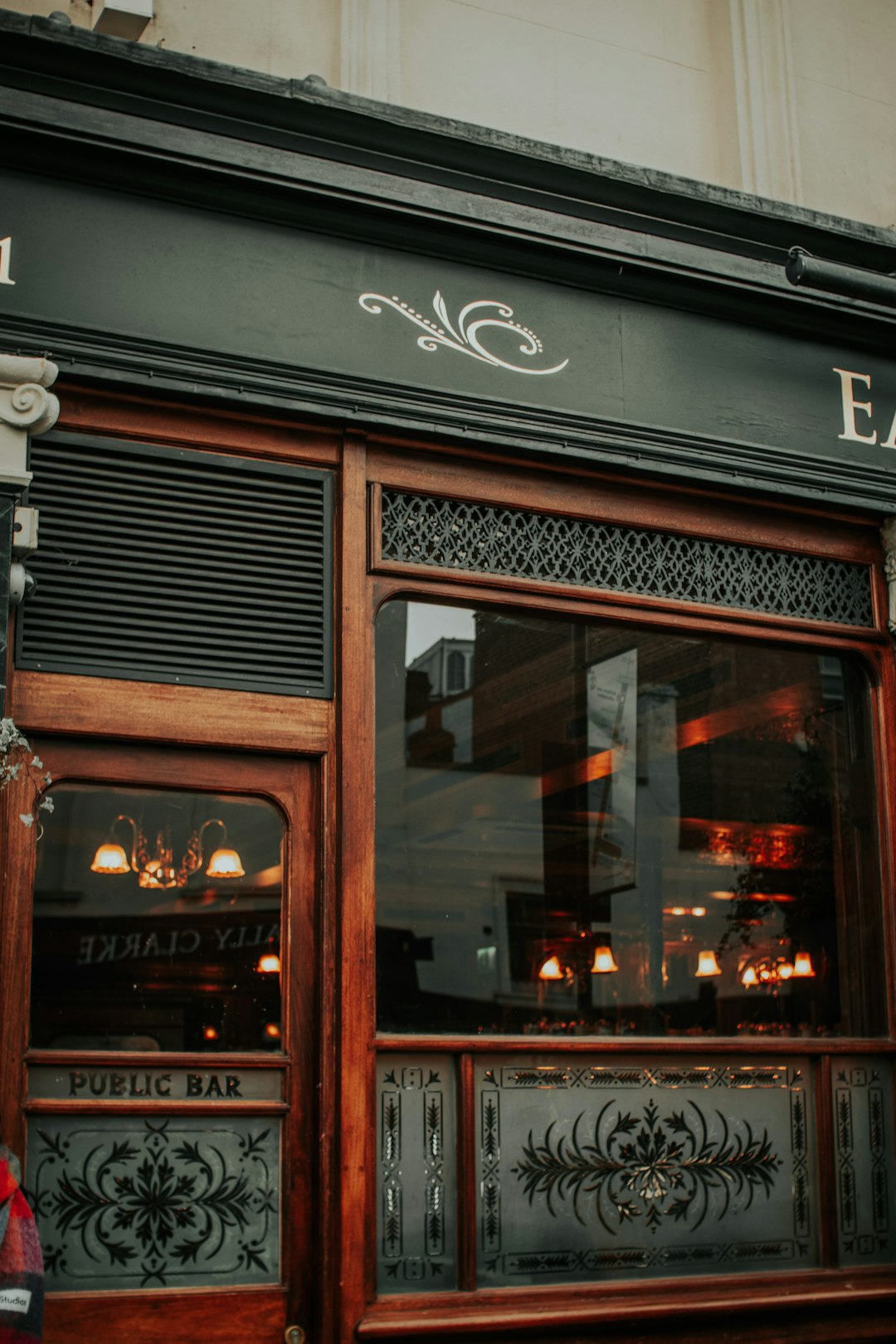
Most people walk straight past it. Tucked into the corner of an old Irish pub, behind a frosted glass panel or a heavy wooden door, there’s a tiny room with its own hatch to the bar. It seats maybe six people. It has no name on the door. But once, it was one of the most important rooms in Ireland.
Try the Guinness Timer ⏱️
A perfect pour takes 119.5 seconds — the rest, two minutes, gives the stout time to settle. Time your own pint and see if you wait long enough.
Got a favourite Irish pub? ☘️
Vote in our Best Pubs in Ireland 2026 poll — nominees come from the community and the leaderboard updates live.
What Is a Snug, Exactly?
A snug is a small, enclosed private booth or room inside a pub. It’s separated from the main bar — usually by wooden partitions, etched glass panels, or a half-door — with its own service hatch so people can be served without stepping into the public bar.
The name comes from an old English word meaning warm and comfortable. And that’s exactly what these spaces were designed to feel: intimate, sheltered, removed from the noise and eyes of the main bar.
Most snugs seat only four to eight people. Some are barely wider than a corridor. But their smallness was entirely the point.
For the fuller history of how the snug became a fixture of Irish pub design, see our complete guide to Irish pub snugs.
Who the Snug Was Really For
In 19th and early 20th century Ireland, a woman seen drinking in a public bar risked serious damage to her reputation. The public bar was a male space. Women who needed to drink — whether for warmth, occasion, or simple human pleasure — needed somewhere they couldn’t be seen.
The snug was that somewhere.
It wasn’t only women. Catholic priests could hardly be spotted sitting at the bar. Off-duty policemen had the same problem. Local politicians, shopkeepers, anyone whose public image required a certain dignity — all found their way quietly into the snug.
You could order your drink through the hatch, the publican would slide it through, and nobody in the bar ever needed to know you were there.
The Social Architecture Behind It
The snug wasn’t accidental. It was a deliberate feature built into Irish pub design from the mid-1800s onwards. Publicans understood exactly what they were doing when they added these rooms.
Many pubs had a separate street entrance leading directly to the snug — a small side door so patrons never had to pass through the public bar at all. Total discretion.
Some of the most celebrated snugs in Ireland survive in Dublin. Kehoe’s on South Anne Street has a snug that feels almost unchanged since the Victorian era. Toner’s on Baggot Street has one where W.B. Yeats was reportedly a regular. Mulligan’s on Poolbeg Street, one of Dublin’s oldest pubs, still has its original wooden partition snugs intact.
☘️ Enjoying this? 64,000+ Ireland lovers get stories like this every week. Subscribe free →
The Round, the Hatch, and the Hidden Deal
The snug had a complicated relationship with one of the most sacred rituals in Irish pub life: the round.
In the public bar, if you were in a round, you stayed until it was your turn to buy. Leaving early was social sacrilege. But in the snug, the rules bent. It was a more private contract. You could have one drink, say your piece, and slip out — and nobody in the main bar would know.
For conversations that needed discretion — business dealings, quiet negotiations, favours asked and given — the snug was essential. In rural Ireland, the snug was where cattle prices were agreed, land deals discussed, and local arrangements sealed, all through a whiskey-sized hatch.
Snugs in Ireland Today
The social conditions that made snugs necessary have long since changed. Women drink freely everywhere. But the snug hasn’t disappeared — it’s been reinvented.
People actively seek them out now. There’s something about being enclosed and a little removed from the world that still pulls people in. The snug is the pub’s answer to a private dining room. It’s where proposals happen, where old friends catch up properly, where conversations go that can’t happen at a desk.
If you’re planning a trip to Ireland, seek out pubs in smaller towns and older parts of the country. Traditional snugs survive in places like County Leitrim and County Roscommon, where old-style pubs have barely changed in decades. Ask the barman. He’ll know.
How to Find One
Snugs don’t advertise themselves. Look for a frosted glass panel set into a wooden frame, a door that leads nowhere obvious, or a gap in the partition that’s smaller than it should be.
Step inside if it’s unoccupied. Sit down. Order through the hatch. The publican will look at you the way publicans have always looked at people in snugs — without comment, and with complete discretion.
The next time you’re in an old Irish pub, stop before you go straight to the bar. Look around the edges of the room. Ireland’s most interesting history often lives in the spaces most people walk right past.
☘️ You Might Also Love
☘️ Join 64,000+ Ireland Lovers
Every Friday, get Ireland’s hidden gems, local secrets, and travel inspiration — the kind you won’t find in any guidebook.
Free forever · Unsubscribe anytime
Tours & experiences you might love


Powered by Viator. Some links are affiliate links — we may earn a small commission at no extra cost to you.
Secure Your Dream Irish Experience Before It’s Gone!
Planning a trip to Ireland? Don’t let sold-out tours or packed attractions spoil your journey. Iconic experiences like visiting the Cliffs of Moher, exploring the Rock of Cashel, or enjoying a guided walk through Ireland’s ancient past often sell out quickly—especially during peak travel seasons.

Booking in advance guarantees your place and ensures you can fully immerse yourself in the rich culture and breathtaking scenery without stress or disappointment. You’ll also free up time to explore Ireland’s hidden gems and savour those authentic moments that make your trip truly special.
Make the most of your journey—start planning today and secure those must-do experiences before they’re gone!