

Every year, on 26th December, something strange happens in the villages of County Kerry and County Clare. Straw-clad musicians appear at doorsteps before dawn. They carry a small bird — or the symbolic image of one — on a decorated bush. They play tin whistles and fiddles, demand coins, and disappear up the road before most people have finished their breakfast.
This is Wren Day, one of Ireland’s oldest living traditions. And most of the world has never heard of it.
What Is Wren Day?
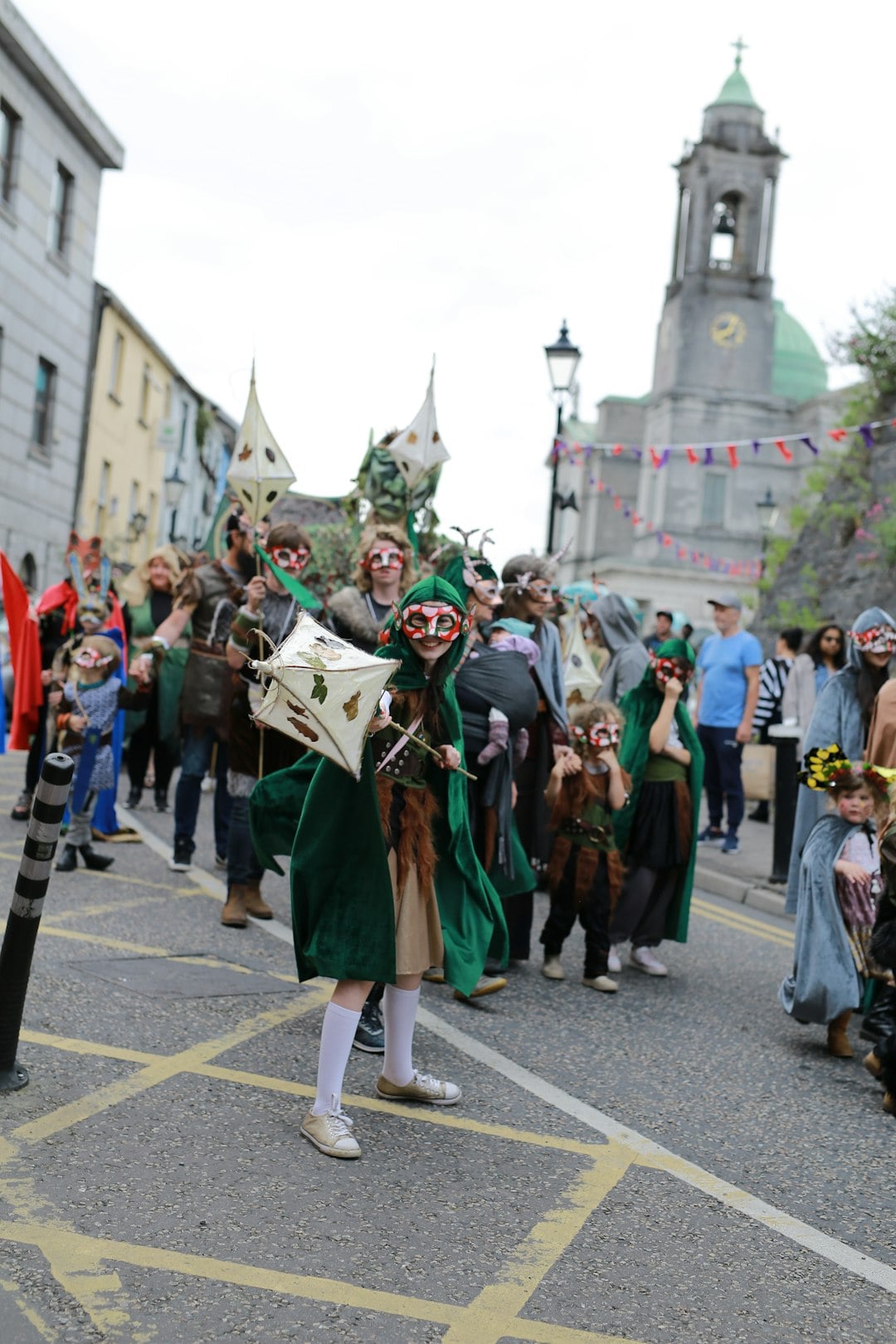
Wren Day — Lá an Dreoilín in Irish — falls on 26th December, St Stephen’s Day. Groups known as wren boys dress in straw costumes, colourful outfits, or elaborate masks and parade from house to house through villages and towns.
They carry a symbolic wren — historically a real bird, today almost always a toy or an image on a decorated stick — and sing the traditional Wren Song as they go. Householders give money, which was once used for a village dance or feast. Today it often goes to charity.
The song’s opening lines have been the same for centuries: “The wren, the wren, the king of all birds — St Stephen’s Day was caught in the furze.”
Why a Tiny Bird?
The wren is one of Ireland’s smallest birds. That it became the centre of a major midwinter tradition is one of the stranger things in Irish folklore — and the explanations are almost as odd as the ritual itself.
One legend says that during an ancient battle, Irish soldiers were approaching a sleeping Viking camp under cover of darkness. A wren landed on one of the soldiers’ drums and began pecking, waking the enemy. The Irish were routed. The wren was declared a traitor, and each year on St Stephen’s Day, it was hunted as punishment for the betrayal.
Another account ties the wren to St Stephen himself — a chattering wren is said to have revealed his hiding place to his persecutors. Scholars believe the true origins are older than both stories, rooted in pre-Christian midwinter ritual and the symbolic sacrifice of a “king bird” at the turning of the year.
What the Wren Boys Actually Do
The procession begins early. Groups gather in costume before the rest of the village has stirred. Traditionally the costume was straw — twisted into hats, jackets, and masks that made the wearer almost unrecognisable. Some still wear elaborate hand-made straw suits; others go for brightly painted faces and theatrical outfits.
The group moves from house to house, playing music at each door and collecting coins. In some areas, residents leave money on the doorstep before the wren boys even knock — a sign that the tradition is welcomed, not merely tolerated.
In towns like Dingle, the whole community turns out. Several competing groups may circle the town at once, each with its own instruments and costumes. The streets fill with music, colour, and the particular energy that comes from a ritual nobody quite understands but everyone feels compelled to keep.
☘️ Enjoying this? 64,000+ Ireland lovers get stories like this every week. Subscribe free →
Where Is It Still Celebrated?
Wren Day is most alive in County Kerry — particularly in Dingle — and parts of County Clare, Limerick, and Connacht. In these areas it has never died out, passing from generation to generation as an unbroken custom.
In other parts of Ireland, the tradition has faded or been revived. Cultural societies and schools have worked to bring wren boys back to towns where the custom lapsed during the 20th century. If you are planning a Christmas visit to the west of Ireland, the County Kerry travel guide gives a full picture of what the region offers in winter — including how to time a visit around Wren Day itself.
The Wren Song
The words sung by wren boys vary slightly by county, but the opening verse is almost universal:
“The wren, the wren, the king of all birds,
St Stephen’s Day was caught in the furze.
Up with the kettle and down with the pan,
Give us a penny to bury the wren.”
The request to “bury the wren” is a remnant of the time when an actual bird was caught and killed as part of the ritual. The coin collected was said to pay for the wren’s funeral. Today the language remains, stripped of its original meaning, kept alive simply because people enjoy saying it.
An Ancient Calendar, A Living Tradition
Wren Day sits in the strange, liminal days between Christmas and the new year — when the old order is passing and nothing is quite settled yet. Ireland has always marked these thresholds with ritual.
The ancient fire festivals of Bealtaine lit hilltops across Ireland in May. Samhain welcomed the dead in October. Wren Day turned the darkest days of winter into something to celebrate rather than endure.
What makes these traditions remarkable is not that they once existed, but that they continue. Nobody is required to dress in straw and knock on doors in December. People do it because their parents did — and because something in the ritual, the music, the masks, the old words, still feels worth keeping.
If you find yourself in an Irish village on St Stephen’s Day, listen for the tin whistles. Look for the straw costumes. Follow the noise to the nearest door. You will not need to understand every word of the Wren Song to feel the force of it — a small tradition that has lasted, without explanation, for a very long time.
☘️ You Might Also Love
☘️ Want More Hidden Ireland?
Join 64,000+ subscribers who discover Ireland’s best-kept secrets every week.
Subscribe Free — Join the Community →
Free forever · Unsubscribe anytime · No spam
📥 Free Download: Ireland Travel Planning Guide
Our most popular resource — itineraries, insider tips, and the 50 places you must not miss.
Tours & experiences you might love


Powered by Viator. Some links are affiliate links — we may earn a small commission at no extra cost to you.
Secure Your Dream Irish Experience Before It’s Gone!
Planning a trip to Ireland? Don’t let sold-out tours or packed attractions spoil your journey. Iconic experiences like visiting the Cliffs of Moher, exploring the Rock of Cashel, or enjoying a guided walk through Ireland’s ancient past often sell out quickly—especially during peak travel seasons.

Booking in advance guarantees your place and ensures you can fully immerse yourself in the rich culture and breathtaking scenery without stress or disappointment. You’ll also free up time to explore Ireland’s hidden gems and savour those authentic moments that make your trip truly special.
Make the most of your journey—start planning today and secure those must-do experiences before they’re gone!