

On many evenings in rural Ireland, a man might knock on a certain cottage door and ask, quietly, if there was anything to drink. If he was known, the door would open. If he was a stranger, it stayed shut. Nobody would inform the constable. Nobody would tell the priest — though the priest almost certainly knew already.
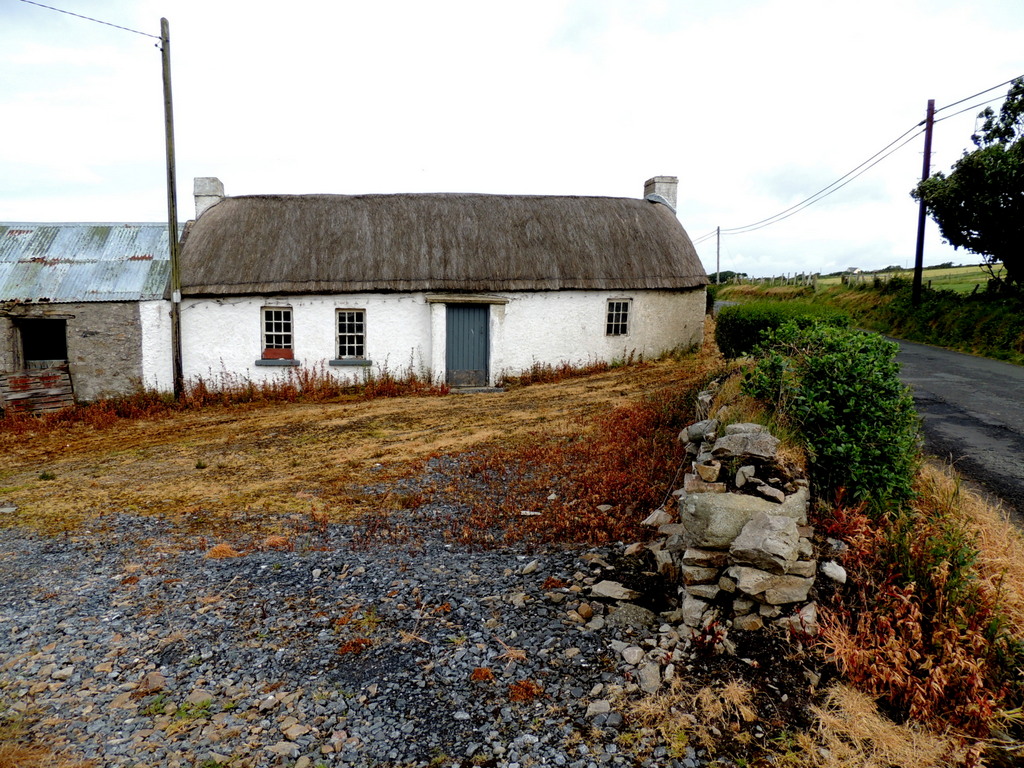
That cottage was a sheebeen. And something very much like it existed in almost every townland across Ireland.
What a Sheebeen Actually Was
The word comes from Irish — síbín, meaning a small, informal measure of drink. A sheebeen was an unlicensed premises where alcohol was sold or shared without the blessing of any authority.
Not a pub in any formal sense. No name above the door. No record in any ledger. No licence pinned to the wall.
It might be a stone cottage with a back room set aside for drinkers on certain evenings. It might be a barn cleared out at the end of the working week. In mountain communities cut off from market towns, it was sometimes the only place within several miles where a person could get something warm and strong after a long day on the bog or the hillside.
Who Ran Them — and Why
Women ran many of Ireland’s sheebeens. Widows particularly. A sheebeen required no great investment — just a supply of illegally distilled poitín, a few vessels, and the goodwill of the people nearby.
For a widow with no income, no land, and no trade, a sheebeen was one of the very few economic options available. It was quiet, it was local, and it was useful to people who mattered.
Running a sheebeen was technically a criminal offence. Excise officers could raid it, magistrates could fine the operator, and the law could — in theory — bring consequences. But in practise, the community protected it with a silence so thorough that prosecution was genuinely rare.
The Code of Silence That Kept It Safe
The most remarkable thing about the sheebeen wasn’t that it existed. It was how well it was protected.
The local constable knew where it was. The schoolmaster knew. The priest almost certainly knew. And almost none of them reported it. There was an unspoken agreement across the whole community: the sheebeen served a genuine purpose, and destroying it was a betrayal of everyone who depended on it.
This wasn’t lawlessness. It was pragmatism. In areas where the nearest licensed public house was an hour’s walk in the dark along a muddy road, the sheebeen was simply infrastructure. It was the kind of arrangement that Ireland, historically, understood very well.
☘️ Enjoying this? 64,000+ Ireland lovers get stories like this every week. Subscribe free →
What Actually Happened Inside
A sheebeen was never just a place to drink. It was the local news service, the music room, and the village gathering point all in one.
Traditional sessions — music played informally by whoever happened to be there — were happening in sheebeens long before they became a fixture in formal pubs. Stories were told. Deals were struck. Arguments were put to rest. The same code of silence that protected the sheebeen from outside authorities extended to everything that went on within it.
Whatever was said in the sheebeen stayed in the sheebeen. That was understood without ever being stated.
It also served as the place where the customs of Irish social drinking were first formed — the round, the obligation to buy for others, the long staying and slow parting. These habits didn’t emerge from licensed premises. They came from the intimate, trust-based world of the sheebeen, where everyone knew everyone and a slight against one was a slight against all.
The Long, Quiet Decline
Licensing legislation introduced through the 19th and early 20th centuries steadily reduced the space that sheebeens could occupy. As roads improved and licensed pubs spread further into rural areas, the practical argument for the sheebeen weakened.
By the mid-20th century, most were gone. Remote parts of Connaught and Munster held out longest — isolated communities in the west of Ireland still had functioning sheebeens into the 1960s, in places where the nearest licensed premises remained genuinely far.
Whether they vanished entirely is a matter of some local debate. Some people will tell you the sheebeen never entirely died. It simply became more discreet.
To walk into a small Irish village today and look at the old stone cottages along the road is to wonder which one it was. The answer, of course, is that nobody is likely to tell you. That has always been the point.
If you want to plan a visit to Ireland and experience the pub culture that grew from traditions like this, the warmth you encounter in even the most modern Irish bar carries something of the sheebeen in it — the instinct to pull a stranger close, pour something strong, and not ask too many questions.
☘️ You Might Also Love
☘️ Join 64,000+ Ireland Lovers
Every Friday, get Ireland’s hidden gems, local secrets, and travel inspiration — the kind you won’t find in any guidebook.
Love more? Join 43,000 Scotland lovers → · Join 30,000 Italy lovers → · Join 7,000 France lovers →
Free forever · · Unsubscribe anytime
Tours & experiences you might love


Powered by Viator. Some links are affiliate links — we may earn a small commission at no extra cost to you.
Secure Your Dream Irish Experience Before It’s Gone!
Planning a trip to Ireland? Don’t let sold-out tours or packed attractions spoil your journey. Iconic experiences like visiting the Cliffs of Moher, exploring the Rock of Cashel, or enjoying a guided walk through Ireland’s ancient past often sell out quickly—especially during peak travel seasons.

Booking in advance guarantees your place and ensures you can fully immerse yourself in the rich culture and breathtaking scenery without stress or disappointment. You’ll also free up time to explore Ireland’s hidden gems and savour those authentic moments that make your trip truly special.
Make the most of your journey—start planning today and secure those must-do experiences before they’re gone!