

In the west of Ireland, there is a saying: a man who has never tasted poitin has never truly tasted Ireland. For three centuries, making it was a criminal act. That never stopped anyone.
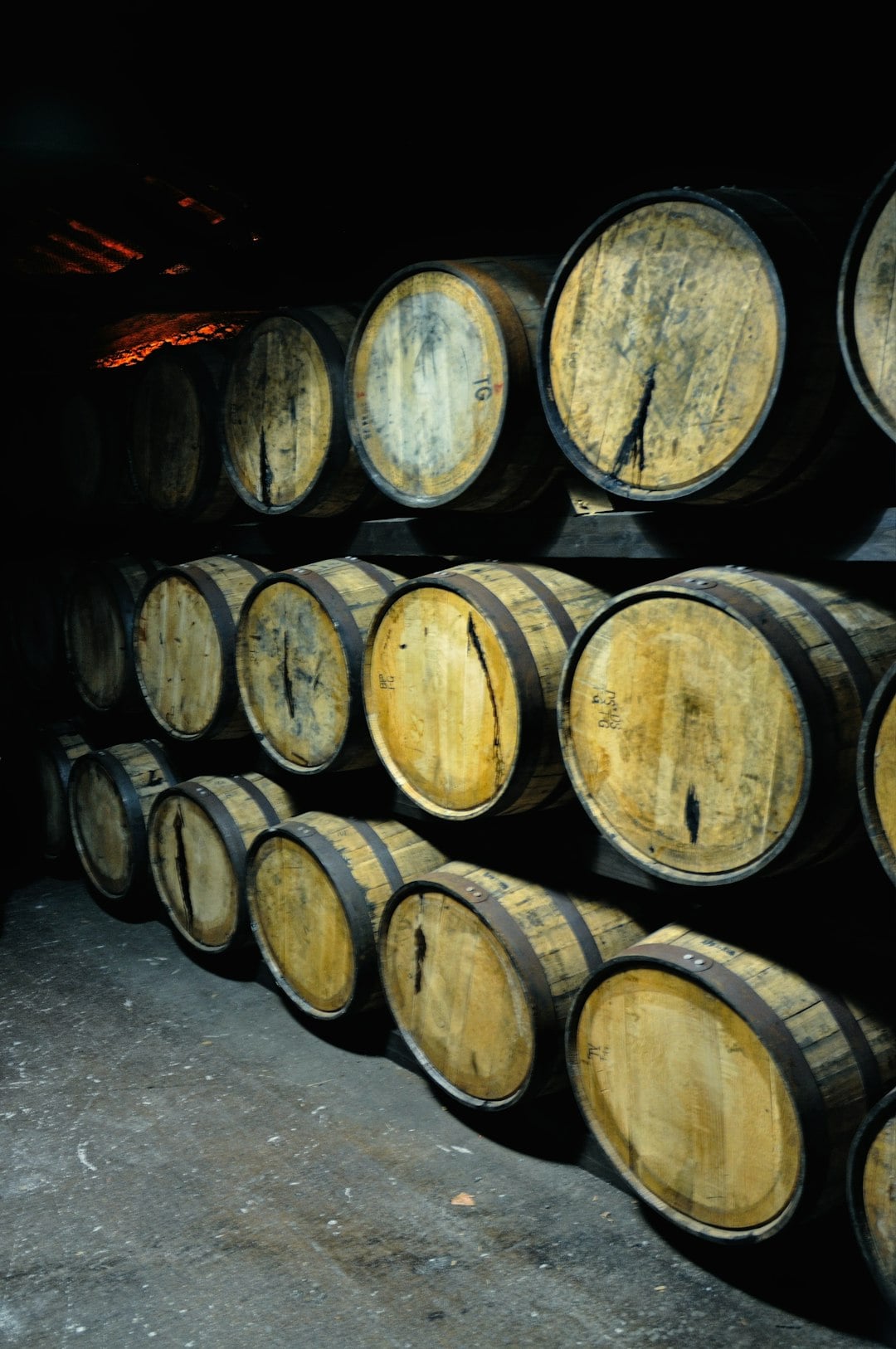
The Spirit Nobody Was Supposed to Make
Poitin (pronounced puh-CHEEN) is Ireland’s oldest spirit. Distilled from grain, potatoes, or sugar beet, it predates commercial whiskey as Ireland’s national drink by several centuries. The first records of Irish distillation date to the sixth century, when monks produced spirits for medicinal use.
In 1661, the British government banned home distillation in Ireland and imposed a tax on commercial production. The law made illegal what had been ordinary for generations. The response in the remote hillsides and islands of Connacht and Munster was simple: ignore it.
Enforcement was nearly impossible. The terrain was too rugged, the communities too tight-knit, and the demand too strong. For the next three centuries, poitin flowed quietly across the west of Ireland — hidden in plain sight.
Why Remote Communities Depended On It
Poitin was not just a drink. In areas where money was scarce, it was currency.
Farmers used it to pay debts, barter for goods, and seal agreements. A bottle was brought to births, deaths, and everything between. When a cow fell ill, poitin was rubbed into its coat. When a child had a toothache, a drop was applied to the gum.
In the west of Ireland, where the nearest town might be a full day’s walk, poitin served as medicine, celebration, and community wrapped into one cloudy bottle. The coastal communities that made the best of it often traded it alongside other goods that sustained their way of life for generations.
The Cat-and-Mouse with the Revenue Men
The officers tasked with enforcing the ban were called Revenue Men — known locally as “gaugers.” Communities developed elaborate systems to evade them.
Stills were hidden in bogs, buried under peat, or concealed inside haystacks. Smoke from distilling fires was timed to match meal times so it wouldn’t stand out. Children acted as lookouts on hillsides, and signals — a cloth hung from a window, a specific pattern of stone-stacking on a wall — warned of approaching officers.
The gaugers knew the game and sometimes played along. A farmer might offer a bottle in exchange for a blind eye. Some villages had a tacit understanding that if no one caused trouble, no one would be arrested.
The Most Remote Distillers of All
Nowhere was poitin made more freely than on the islands off Ireland’s west coast.
The Aran Islands, Clare Island, and Tory Island were so difficult for authorities to reach that islanders distilled openly for generations. On Tory Island, poitin formed part of the local economy — traded with passing boats for goods the island couldn’t produce. A boatman who knew the tides could move his cargo faster than any Revenue Man could follow.
These islanders didn’t see themselves as criminals. They saw themselves as people making what their grandparents had made — in a country that had been taxed and restricted by an outside power for as long as anyone could remember.
☘️ Enjoying this? 64,000+ Ireland lovers get stories like this every week. Subscribe free →
When Poitin Finally Became Legal
In 1997, more than 300 years after the ban, the Irish government legalised poitin for export. A decade later, it was fully legal for domestic sale.
The response was unexpected. Rather than fading now that the danger was gone, poitin experienced a revival. Craft distillers began producing it commercially, bringing quality and consistency to a spirit that had spent centuries made in secret. Brands like Glendalough, Knockeen Hills, and Bán Poitín appeared in bars across Ireland and beyond.
Several of these producers have since won international awards — turning a centuries-old act of defiance into a celebrated Irish export.
What Poitin Tastes Like — and Where to Find It
Traditional poitin is clear, fiery, and unaged. The best descriptions compare it to a raw young spirit — all grain warmth with a long, burning finish. Quality craft versions are smoother, sometimes with hints of honey or floral notes depending on what they’re distilled from.
Several distilleries now offer poitin tastings as part of guided visits. The Slane Distillery in County Meath, set within the grounds of a historic castle, traces Irish spirits heritage from the earliest illegal stills to the present day. If you’re planning a trip to Ireland, adding a distillery visit to your itinerary is well worth it.
The west of Ireland remains the spiritual home of poitin. Order it in a pub in Galway or Connemara and the locals will have strong opinions about whose version is best. That’s a conversation worth having.
Three centuries of prohibition couldn’t kill it. Legalisation only made it stronger.
☘️ You Might Also Love
Tours & experiences you might love


Powered by Viator. Some links are affiliate links — we may earn a small commission at no extra cost to you.
Secure Your Dream Irish Experience Before It’s Gone!
Planning a trip to Ireland? Don’t let sold-out tours or packed attractions spoil your journey. Iconic experiences like visiting the Cliffs of Moher, exploring the Rock of Cashel, or enjoying a guided walk through Ireland’s ancient past often sell out quickly—especially during peak travel seasons.

Booking in advance guarantees your place and ensures you can fully immerse yourself in the rich culture and breathtaking scenery without stress or disappointment. You’ll also free up time to explore Ireland’s hidden gems and savour those authentic moments that make your trip truly special.
Make the most of your journey—start planning today and secure those must-do experiences before they’re gone!