

If you put a pair of shoes on a table in an Irish home, someone will remove them. Without explanation. Without apology. They will simply lift them off and place them elsewhere, as if nothing happened. You don’t need to ask why — you already know not to do it again.
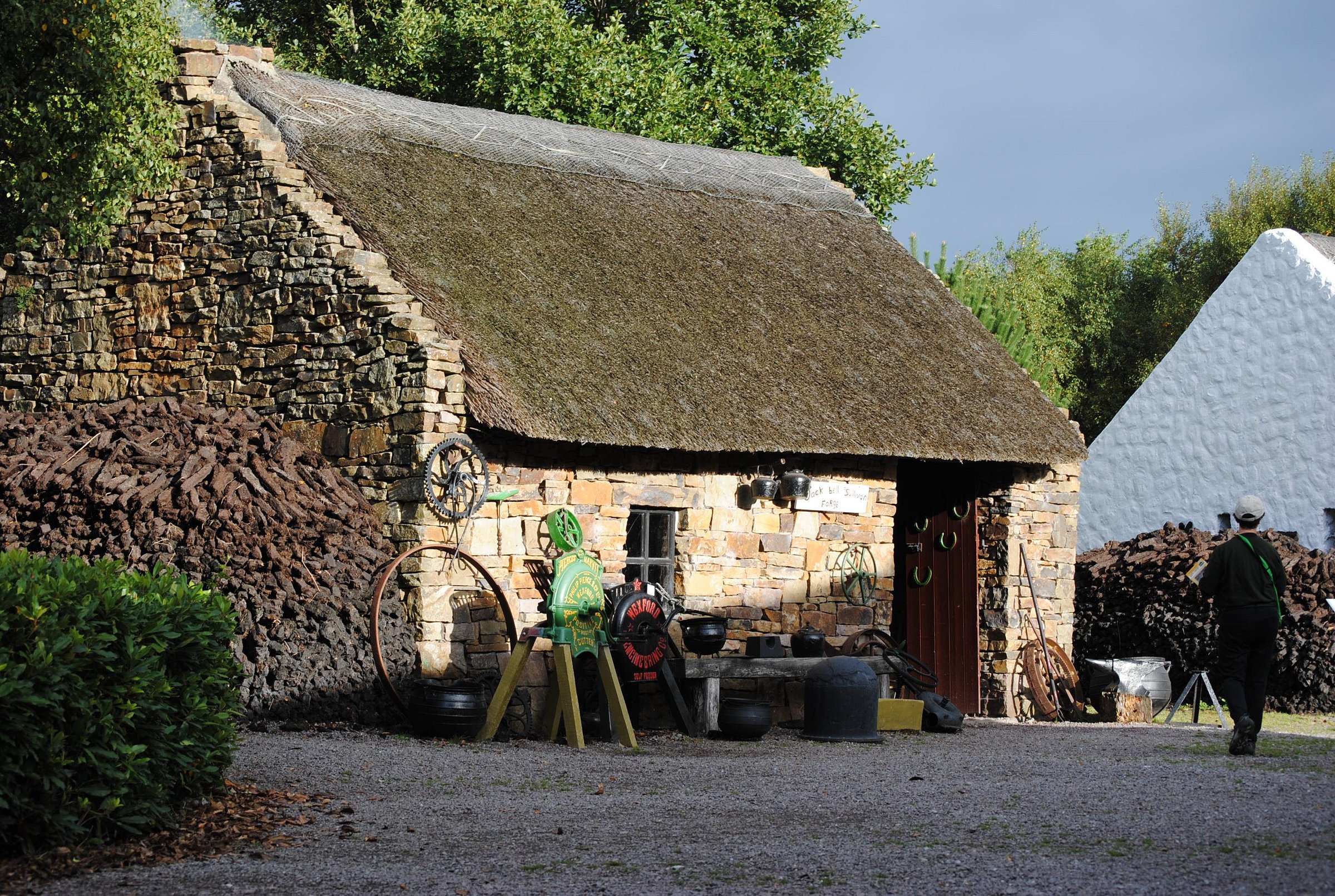
What Is a Piseog?
The Irish word piseog (pronounced pish-OGUE) covers a broad territory — part superstition, part folk spell, part unwritten social law. Piseogs weren’t considered silly beliefs held by uneducated people. They were practical wisdom encoded in shorthand: ways of keeping luck on your side and misfortune at bay.
Many were rooted in real anxiety — the fear of a bad harvest, a stillborn calf, a child falling ill. When life was precarious, ritual offered comfort. And ritual, once embedded, is stubborn. It outlives the circumstances that created it by several centuries.
What makes piseogs remarkable is that they are not confined to the elderly or the rural. They travel with the Irish — across generations, across oceans, across every level of education and scepticism.
The Magpie Rule
Ask any Irish person about magpies and they will tell you — you must count them. One for sorrow, two for joy. The rhyme is automatic, instinctive, rattled off before the brain even engages.
The tradition of saluting a lone magpie is still widespread. Some people nod. Some say “Good morning, Mr Magpie.” Some quietly ask after the bird’s wife. The exact form varies by county, by family, even by individual — but the impulse is universal.
People who would roll their eyes at horoscopes will slow their car on a country road to count the magpies in a field. That is the nature of a piseog — it bypasses the rational mind entirely.
Shoes on the Table
Shoes on the table are a serious matter. The origin is disputed — some trace it to the old custom of laying out the dead, where shoes might be placed nearby; others link it to mining communities, where a miner’s boots set on a table signalled a fatal accident underground.
Whatever the root, the taboo is very much alive. Irish mammies of a certain vintage will remove the shoes before you’ve finished the sentence. And their adult children, who know full well it is a superstition, will still feel the prickle of unease if they do it themselves.
That discomfort — rational mind overruled by something older — is at the heart of the Irish relationship with piseogs.
The Itchy Palm
An itchy right palm means money is coming to you. An itchy left palm means you are about to lose some. The remedy varies — some say scratch the right hand on wood to seal the incoming fortune; others prescribe spitting on the palm and rubbing it on your coat.
This belief appears across many cultures, but in Ireland it carries particular weight. Money was scarce for so long, across so many generations, that any omen of its arrival deserved attention. Old anxieties leave long shadows.
The Red-Haired Stranger
Some traditions held that meeting a red-haired woman as the first person you encountered at the start of a journey was a bad omen — and that you should turn back, wait a while, and try again.
The details vary wildly by region and family. Some accounts say red-haired men were the omen; others say the direction of travel mattered more. Irish superstitions are rarely consistent, which perhaps explains their longevity — they are impossible to fully disprove.
What is striking is that people share these beliefs with a shrug and a laugh — and then follow them anyway. The Irish relationship with the irrational is deeply, cheerfully pragmatic.
Why These Rules Still Hold
There is something worth examining in the durability of piseogs. They survived the Famine, mass emigration, the rise of science, and the internet. They persisted through generations of people who would never describe themselves as superstitious.
Part of the answer is social. Superstitions are cultural glue — shared codes that mark you as belonging to a place and a people. When an Irish grandmother lifts the shoes off the table without a word, she is not expressing fear. She is expressing who she is.
Part of the answer is also pragmatic hedging. If there is a small chance the piseog is correct, and the cost of following it is negligible, why wouldn’t you? The logic is almost rational — which may be the most Irish thing about the whole business.
If the textures of Irish folk culture draw you in, the Love Ireland newsletter covers these stories regularly — a gentle way to keep Ireland close wherever you are. You might also enjoy reading about why every Irish castle carries a ghost story or the ancient Irish curse that rural communities still quietly fear — the same threads of folk belief run through all of it.
Piseog Country
If you want to experience these traditions first-hand, get off the main tourist trail. Head into rural Ireland — Connacht, Munster, north Donegal. Talk to older residents. Drink tea. Listen to the stories people tell when they stop performing for visitors.
The superstitions do not live in museums. They live in kitchens. And in Ireland, the kitchen door is nearly always open. If you would like help planning your visit, the Love Ireland planning hub is a good place to begin.
☘️ You Might Also Love
☘️ Want More Hidden Ireland?
Join 64,000+ subscribers who discover Ireland’s best-kept secrets every week.
Subscribe Free — Join the Community →
Free forever · Unsubscribe anytime · No spam
📥 Free Download: Ireland Travel Planning Guide
Our most popular resource — itineraries, insider tips, and the 50 places you must not miss.
Tours & experiences you might love


Powered by Viator. Some links are affiliate links — we may earn a small commission at no extra cost to you.
Secure Your Dream Irish Experience Before It’s Gone!
Planning a trip to Ireland? Don’t let sold-out tours or packed attractions spoil your journey. Iconic experiences like visiting the Cliffs of Moher, exploring the Rock of Cashel, or enjoying a guided walk through Ireland’s ancient past often sell out quickly—especially during peak travel seasons.

Booking in advance guarantees your place and ensures you can fully immerse yourself in the rich culture and breathtaking scenery without stress or disappointment. You’ll also free up time to explore Ireland’s hidden gems and savour those authentic moments that make your trip truly special.
Make the most of your journey—start planning today and secure those must-do experiences before they’re gone!