

Walk through the arched doorway of almost any Irish castle and you can feel it — that particular quality of silence that isn’t quite silence at all. The stones have absorbed five, six, seven centuries of human drama. Small wonder that so many of them carry stories that refuse to stay buried.
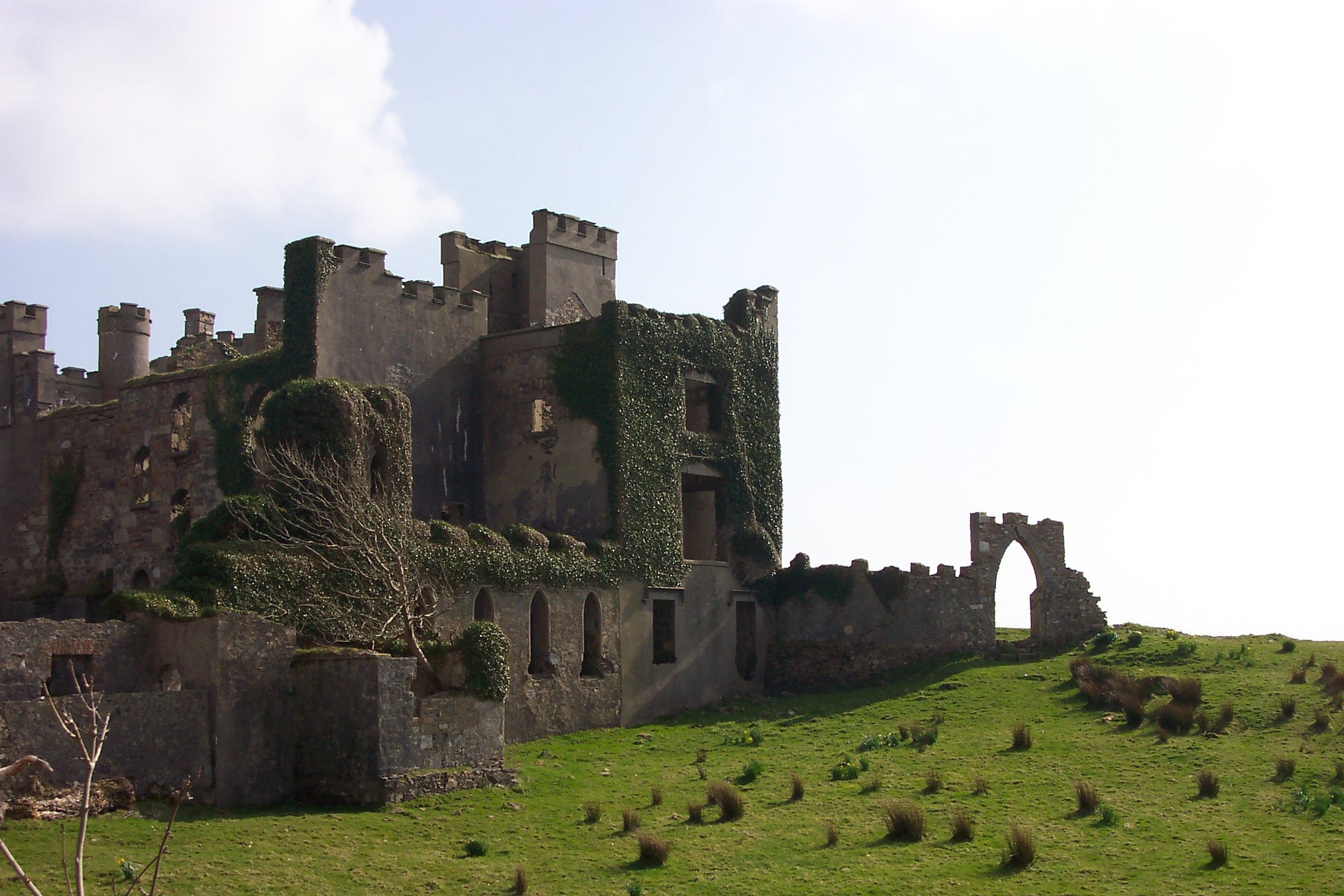
The Castle That Shocked Its Own Excavators
Leap Castle in County Offaly had a fearsome reputation long before anyone started digging. When restoration workers broke through a floor in one of the upper rooms in 1909, they discovered a hidden pit — an oubliette — packed with human remains. Three cartloads of bones were removed. Historians believe prisoners had been pushed through a trapdoor to land on wooden spikes below.
But it’s what people began reporting afterwards that gave Leap its lasting reputation. A creature unlike anything in the standard ghost inventory — described as roughly the size of a sheep, moving on all fours, with hollow black eyes and an overwhelming smell of decay. Locals named it the Elemental.
The castle’s current owners, who have spent years quietly restoring the building, don’t dismiss the stories. In Ireland, that restraint usually tells you something.
Where the Legends Come From
Irish castles were not ornamental. They were built for control, for siege, for survival — and in many cases, for terrible violence.
The O’Carroll clan, who held Leap for generations, are said to have murdered a rival chieftain during Mass in the room now called the Bloody Chapel. The exact date is disputed, but the name has stuck. Whether you believe in hauntings or not, the history alone provides enough darkness to fill any stone corridor.
Dunluce Castle on the Antrim coast — perhaps Ireland’s most photographed ruin — carries the story of a kitchen wing that collapsed into the sea during a banquet in 1639, taking servants with it. The physical evidence is there: the sea-facing wall is simply gone. Ireland’s castles don’t need to invent drama. They have enough of their own.
What the Tours Don’t Always Tell You
Not every Irish ghost story is performed for visitors. Some pass quietly through families, mentioned in the same matter-of-fact tone as the weather — simply part of the local texture of a place.
Charleville Castle in County Offaly has a documented legend about a young girl named Harriet who fell from an oak tree in the grounds and died. Staff and visitors over the years have reported the sound of a child’s laughter in empty rooms, and the sensation of small hands reaching for theirs. The castle opens for ghost tours, but those who work there regularly draw a distinction between the performance and the experience of being alone in the building at night.
Rock of Cashel — the dramatic limestone outcrop rising above Tipperary — has its own resident: a White Lady said to drift through the ruins after dark, connected in some tellings to the sack of Cashel by Murrough O’Brien in 1647, when thousands sheltering in the cathedral were killed. Some of Ireland’s hauntings are attached to events so awful that the ghost story almost seems insufficient.
Why Irish People Take These Stories Seriously
Ireland has a different relationship with the dead than many Western cultures. The Catholic tradition of praying for departed souls, the older belief in thin places where the spirit world brushes against this one, the custom of waking the dead in the family home — all of this creates a cultural context in which a restless presence in an ancient building doesn’t seem eccentric.
It doesn’t require believing in the supernatural to understand why these stories endure. At their core, they are a way of remembering people who suffered inside these walls — people whose names never made it into any official record.
Ireland’s connection to the otherworldly runs far deeper than its castles alone. The landscape itself is threaded with older beliefs — a tradition explored in the story of why Irish roads still bend around fairy forts, a practise that continues in communities across the country to this day.
Finding the Atmosphere for Yourself
If you want to feel what these places are really like, seek out the castles that aren’t on the main tour circuit. The less visited the site, the more likely you are to stand in genuine quiet — and to understand why the stones seem to be listening.
Wicklow Gaol offers a related but distinctly different experience: a journey through Ireland’s haunted history that puts the human cost of the 19th century front and centre. It sits on the same emotional register as the great castles — history so dense it seems to cling to the walls.
For help planning a trip that goes beyond the obvious highlights, the Love Ireland Planning Hub covers everything from seasonal timing to the quieter roads. And if castle stories, folklore, and the stranger corners of Irish life are what draw you in, the Love Ireland newsletter carries exactly that — sent to thousands of people who feel the pull of this island whether they’re standing in it or not.
Ireland’s castles are not museums frozen in time. They are living landmarks, still arguing with their own pasts. Step inside one without a tour group around you, and you will understand, without anyone needing to explain it, why the stories persist.
☘️ You Might Also Love
64,000 Ireland lovers can’t be wrong.
Every week, our free newsletter delivers hidden gems, seasonal guides, local stories, and practical travel tips — straight to your inbox. Join the community that loves Ireland as much as you do.
☘️ Join 64,000+ Ireland Lovers
Every Friday, get Ireland’s hidden gems, local secrets, and travel inspiration — the kind you won’t find in any guidebook.
Subscribe free — enter your email:
📲 Know someone who’d love this? Share on WhatsApp →
Free forever · · Unsubscribe anytime
📥 Free Download: Ireland Travel Planning Guide
Our most popular resource — itineraries, insider tips, and the 50 places you must not miss.
Tours & experiences you might love


Powered by Viator. Some links are affiliate links — we may earn a small commission at no extra cost to you.
Secure Your Dream Irish Experience Before It’s Gone!
Planning a trip to Ireland? Don’t let sold-out tours or packed attractions spoil your journey. Iconic experiences like visiting the Cliffs of Moher, exploring the Rock of Cashel, or enjoying a guided walk through Ireland’s ancient past often sell out quickly—especially during peak travel seasons.

Booking in advance guarantees your place and ensures you can fully immerse yourself in the rich culture and breathtaking scenery without stress or disappointment. You’ll also free up time to explore Ireland’s hidden gems and savour those authentic moments that make your trip truly special.
Make the most of your journey—start planning today and secure those must-do experiences before they’re gone!