

When someone died in an old Irish household, the first thing you had to do was go to the beehives. Before you told the neighbours. Before you sent word to the priest. You knocked softly on the wood, and whispered the news. If you forgot, the bees would leave. And that was the beginning of real trouble.
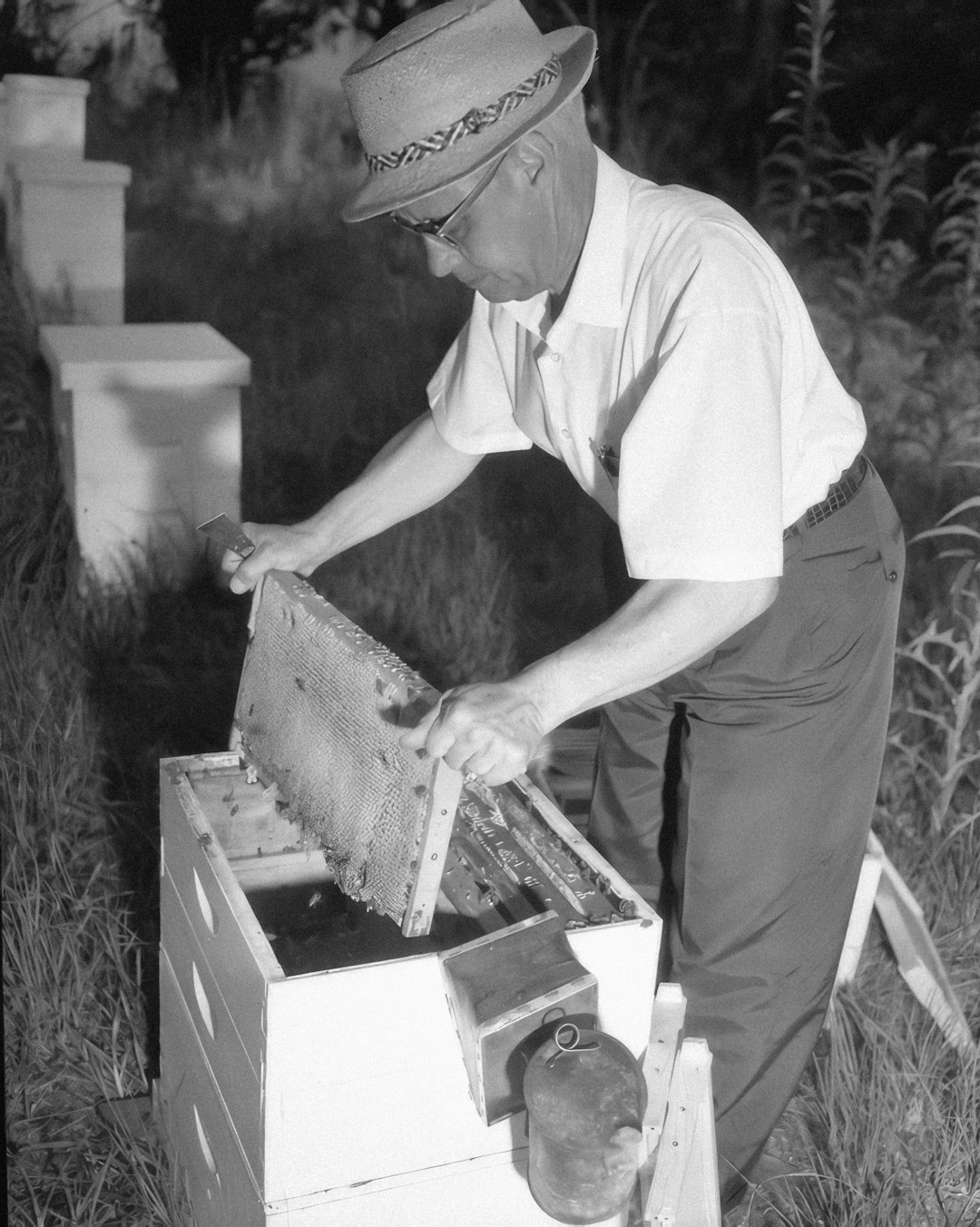
Bees Were Never Just Insects
In Irish folk belief, bees occupied a unique place. They were sacred. They were messengers. They moved between this world and whatever lay beyond it.
The belief ran deep in rural communities across Connacht, Munster, and Ulster. Bees were not merely creatures that made honey. They were witnesses. They noticed what happened in a household. They needed to know.
This was not an Irish invention alone — the custom appears in parts of England, Wales, and Germany too. But in Ireland, it was woven into something richer. Bees appeared in old law texts, in poetry, in the earliest Christian manuscripts. They were treated with a seriousness that surprised even later generations.
The Brehon Law Took Bees Seriously
Long before any courthouse, Ireland was governed by Brehon Law — a complex system of rules built up over centuries. Within it sat a remarkable text called the Bechbretha. Its name means, simply, the Bee Judgements.
The Bechbretha laid out, in careful detail, the rights and responsibilities around bees. If your bees swarmed onto a neighbour’s land, there were rules for who owned the swarm. If your neighbour’s orchard fed your bees, they were owed a portion of the honey. If someone deliberately destroyed a hive, they owed compensation.
Bees were property with status. The law treated them the way it treated cattle — as something of real value that bound communities together.
You can still read fragments of the Bechbretha today. It is one of the oldest surviving texts on beekeeping in Europe.
What You Had to Tell Them
Deaths were the most important news to carry to the bees. But they were not the only news.
Births had to be reported. A new child in the house was significant, and the bees needed to know who had arrived. Marriages too — and departures. If a son was emigrating to America, he went to the hives before he went to the harbour.
The logic was consistent. The bees were members of the household in a real sense. They lived on your land, they worked your flowers, they fed your family. They were part of the web of life that held a place together. You did not leave them in ignorance of things that mattered.
☘️ Enjoying this? 64,000+ Ireland lovers get stories like this every week. Subscribe free →
The Ritual Itself
The ritual was simple, and that simplicity gave it weight.
You would go to the hive at dusk, when the bees had returned for the evening. You knocked three times on the side of the hive. Then you spoke the news quietly — just a murmur, a brief and honest statement of what had happened.
Sometimes a small piece of black ribbon or cloth was tied to the hive as a sign of mourning. Sometimes a piece of wedding cake was left for them at a marriage. The gesture varied by family and by county. The principle stayed the same.
To skip the ritual was considered dangerous. The bees might take offence. They might leave the hive entirely — and a hive that absconded was considered an omen of further misfortune to come.
What Happened When People Forgot
There are dozens of recorded accounts from the 19th and early 20th centuries of families describing the consequences of forgetting to tell the bees.
In most accounts, the bees left. A strong colony, well established for years, would empty the hive within days of an untold death. People noticed. People remembered.
In some accounts, the bees became aggressive — not as a punishment exactly, but as a sign that something in the household was unresolved. Whether or not you believe in the cause and effect, the weight of the tradition was real. These were not idle stories. They described people’s lives, their losses, and the ways communities made sense of grief.
The Bees and the Otherworld
Irish mythology is full of creatures that move between worlds. The banshee wails before a death. The selkie swims between land and sea. Like the fairy forts that farmers still refuse to plough through, bees occupied a protected space in Irish rural life — something between the ordinary and the sacred.
Honey itself was considered sacred. Mead — fermented honey — was drunk at feasts and sacred occasions for thousands of years. Beeswax candles lit the altars of early Irish churches. The bee was a creature that produced both light and sweetness, and that connection ran through how people understood them.
Telling the bees was, in a sense, keeping the household in alignment with the invisible. Letting them carry the news wherever they went. Making sure nothing was hidden, nothing overlooked.
Rural Ireland has changed enormously. The beehives that once stood behind stone-walled cottages are mostly gone. The families who carried news to them are scattered — some to Dublin, many to America, some to places that would have been unimaginable to the people who first whispered to their bees.
But the tradition says something real. It says that community is not just about the living. That the natural world is not separate from human life. That even something as small as a bee is owed honesty.
If you are ever walking in rural Ireland and you spot an old stone wall with a sheltered gap where a hive once stood, you are looking at something much older than the wall itself. If you plan a trip to Ireland’s countryside, listen for the bees. They are still carrying news.
☘️ You Might Also Love
Tours & experiences you might love


Powered by Viator. Some links are affiliate links — we may earn a small commission at no extra cost to you.
Secure Your Dream Irish Experience Before It’s Gone!
Planning a trip to Ireland? Don’t let sold-out tours or packed attractions spoil your journey. Iconic experiences like visiting the Cliffs of Moher, exploring the Rock of Cashel, or enjoying a guided walk through Ireland’s ancient past often sell out quickly—especially during peak travel seasons.

Booking in advance guarantees your place and ensures you can fully immerse yourself in the rich culture and breathtaking scenery without stress or disappointment. You’ll also free up time to explore Ireland’s hidden gems and savour those authentic moments that make your trip truly special.
Make the most of your journey—start planning today and secure those must-do experiences before they’re gone!