

In the careful economy of rural Ireland, everyone had their role. Men worked the fields. Women kept the house. But there was one stream of income that belonged entirely to the woman — and even the most stubborn farmer in Connacht knew better than to ask what she did with it.
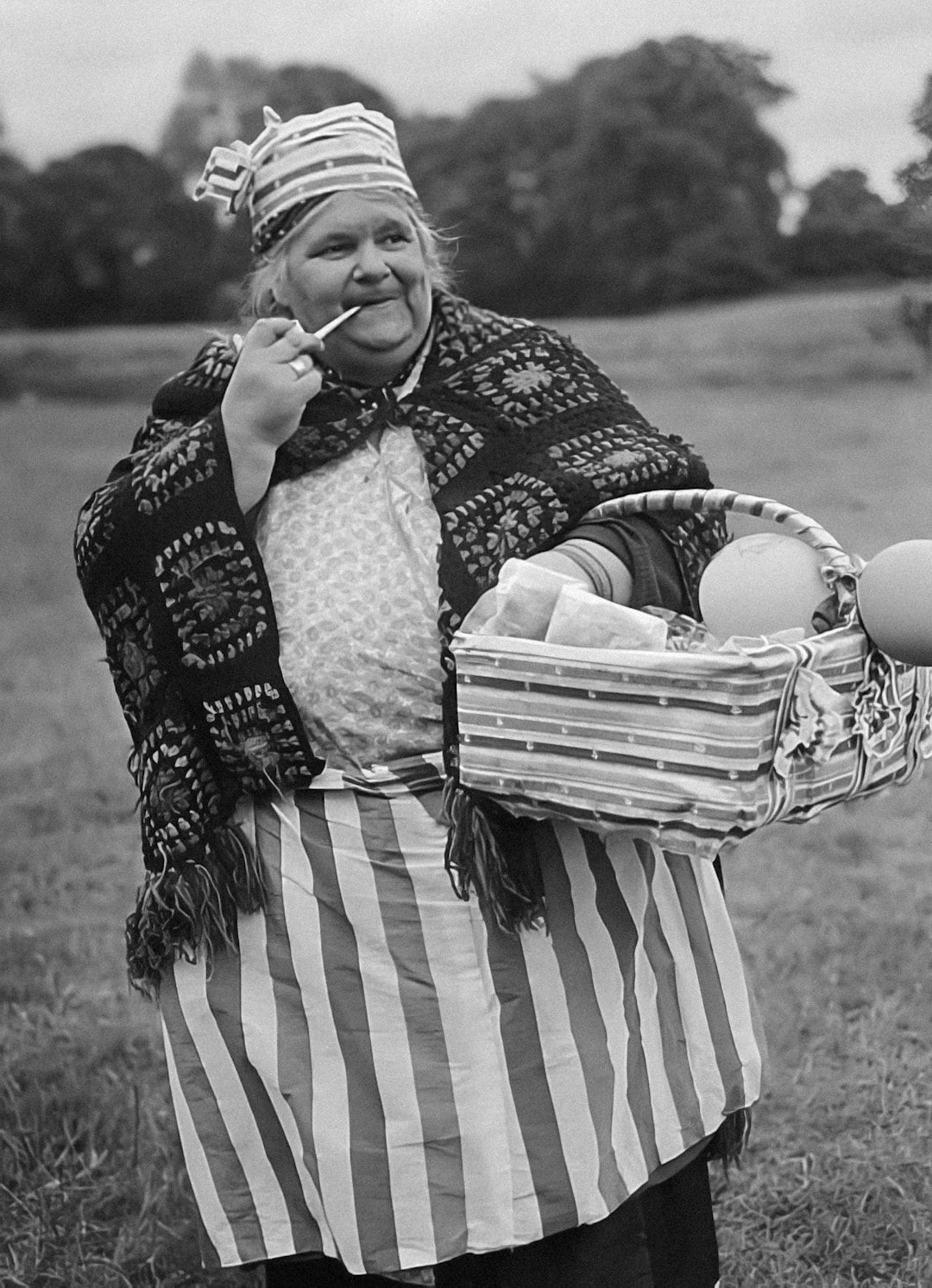
The Hens Were Always Hers
In a traditional Irish farmstead, cattle were the husband’s domain. The potato field was everyone’s business. But the hens? The hens belonged to the woman of the house.
From the first light of morning, she scattered grain, collected eggs, cleaned them, and packed them into straw-lined baskets. It was her work, her responsibility — and crucially, her income.
The money she earned selling those eggs at market — the egg money — was hers alone. No shared account. No permission required. Just coins in her apron pocket, spent or saved entirely at her own discretion.
What Market Day Really Meant
Every week, in market towns across Ireland, farmwomen walked in with baskets of eggs and returned with money. The transaction was simple. The meaning was anything but.
They had regular customers — local shopkeepers, private buyers, sometimes a creamery agent. These women were known. Trusted. Their eggs were expected. The relationship was dignified and businesslike.
In Connacht and Munster especially, the egg money was a quietly understood institution. A woman with a good laying flock might earn enough in a week to cover the family’s groceries. With care, far more than that.
Some women used it for school copybooks, fabric, or shoes for children. Others saved quietly over years — shillings added to a tin under the bed, building a sum that belonged only to them.
A World the Law Never Bothered to Regulate
For most of Irish history, married women had almost no legal financial rights. A husband controlled the household finances. Banks were rarely visited. Formal employment was scarce outside cities.
But the egg money existed in a space the law had simply never thought to govern. It was informal, it was cash, and it changed hands between women in a market square with nothing more than a handshake and a nod.
No tax. No record. No oversight.
Some women built genuine savings through it — enough to pay for a child’s passage to America, or to fund a family emergency when no other money existed. It was financial independence before anyone in rural Ireland had a phrase for it.
☘️ Enjoying this? 64,000+ Ireland lovers get stories like this every week. Subscribe free →
More Than Money
The egg money meant something beyond the coins themselves. A woman’s flock was a measure of her skill and reputation.
A healthy, productive flock that laid reliably through the year reflected well on its keeper. Neighbours noticed. Older women passed their knowledge down carefully — which breed handled the west of Ireland wind better, how to tell when a hen was about to go off lay, how to fox-proof a yard with nothing more than wire and patience.
This wasn’t domestic trivia. It was economic expertise, refined across generations.
In the same way that the pig was once the cornerstone of the rural Irish household economy, the hens represented a parallel system — smaller in scale, entirely in the hands of women, and quietly indispensable.
For those curious about the hidden world of Irish women’s traditions, the story of why Irish women washed their faces in the fields before dawn offers another glimpse into this remarkable life.
The Tradition That Quietly Faded
As Ireland modernised through the mid-20th century, the egg money began to disappear. Supermarkets replaced local markets. Factory farming made small domestic flocks economically irrelevant. Women entered formal employment, and the informal economy of the yard became a memory.
But it never entirely vanished.
In pockets of rural Ireland today, you can still find smallholdings where a woman keeps a few dozen hens. Not for serious income — for the pleasure of it, and perhaps for something harder to name.
Still Here, If You Look
If you plan a trip through rural Ireland and drive the back roads of Clare, Mayo, or Galway, you will still spot wire-fenced hen runs beside whitewashed cottages. They are smaller now. The economics have changed. But they are still there.
In farmhouse kitchens across the country, older women remember their mothers and grandmothers moving through market day with a quiet authority. They had money of their own, earned from birds they had raised and sold to people who respected them.
Nobody called it independence. But that is exactly what it was.
☘️ You Might Also Love
Free forever · · Unsubscribe anytime
Tours & experiences you might love


Powered by Viator. Some links are affiliate links — we may earn a small commission at no extra cost to you.
Secure Your Dream Irish Experience Before It’s Gone!
Planning a trip to Ireland? Don’t let sold-out tours or packed attractions spoil your journey. Iconic experiences like visiting the Cliffs of Moher, exploring the Rock of Cashel, or enjoying a guided walk through Ireland’s ancient past often sell out quickly—especially during peak travel seasons.

Booking in advance guarantees your place and ensures you can fully immerse yourself in the rich culture and breathtaking scenery without stress or disappointment. You’ll also free up time to explore Ireland’s hidden gems and savour those authentic moments that make your trip truly special.
Make the most of your journey—start planning today and secure those must-do experiences before they’re gone!
Subscribe Free