

Before dawn on 20 June 1631, the people of Baltimore were asleep. The little fishing village sat at the very edge of West Cork, surrounded by water on three sides. Boats bobbed in the harbour. Nothing stirred.
Then the corsairs came ashore.
In less than two hours, 107 people had been dragged from their beds and forced onto ships bound for North Africa. It was one of the largest slave raids in Irish history — and it is almost entirely forgotten.
A Village at the Edge of the World
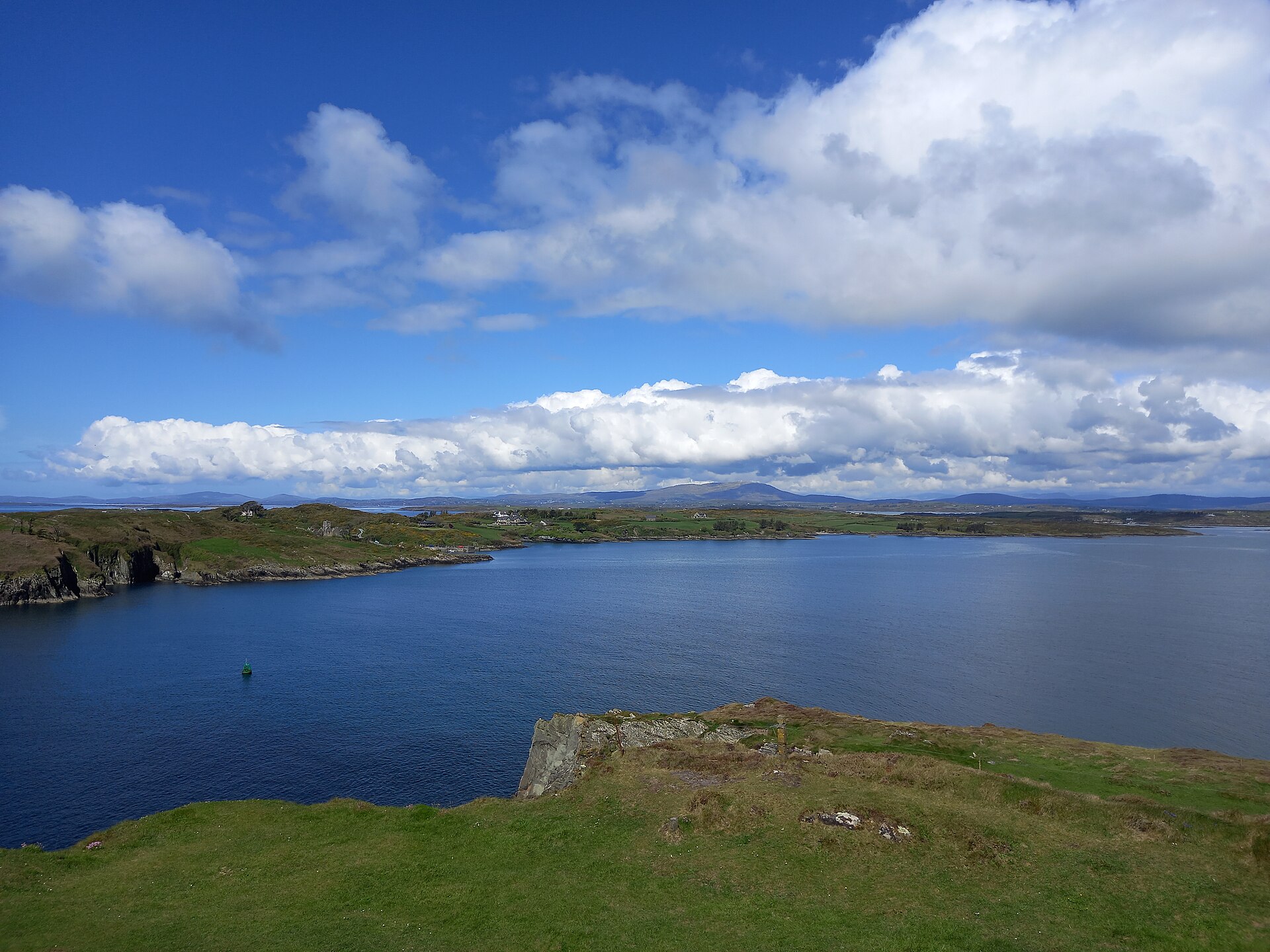
Baltimore, or Dún na Séad in Irish, means “Fort of the Jewels.” It sits on a small headland in West Cork, looking out over Roaringwater Bay toward Sherkin Island. In 1631, it was a modest fishing settlement — a mix of Irish families and settlers who had come seeking a quieter life at the Atlantic’s edge.
The village had a small castle, a few streets, a harbour. Life moved to the rhythm of the tides.
No walls surrounded it. No soldiers guarded it. Baltimore trusted the sea itself as its protection. That trust, on one summer night, proved fatal.
The Ships From Algiers
The raiders were Barbary corsairs — pirates working out of Algiers on the North African coast. In the 17th century, corsair fleets routinely preyed on European coastal settlements, taking captives to be sold into slavery. Their reach was vast. Raids were recorded as far north as Iceland.
The leader of the Baltimore raid was a Dutch-born sailor named Jan Jansz, known to history as Morat Rais. He commanded two large vessels and around 200 men. On the night of 19 June 1631, his fleet anchored quietly off the West Cork coast.
At dawn, they moved.
The Night It Happened
The attack was fast. The corsairs came ashore in small boats, stormed the houses, and rounded up everyone they could find. They seized 107 people — men, women, and children. Some were Irish, some English. None had any warning.
Those who ran into the surrounding countryside escaped. Those who stayed, or who could not run, were taken.
Within hours, Baltimore’s captives were below decks and the ships were heading south.
☘️ Enjoying this? 64,000+ Ireland lovers get stories like this every week. Subscribe free →
The Road to Algiers
For those taken, the journey lasted weeks. Algiers in the 17th century was one of the busiest slave markets in the Mediterranean world. Tens of thousands of Europeans — captured in raids along coastlines from Ireland to Italy — were sold there over the course of that century.
Some captives were kept as household servants. Others were put to work as rowers. Church funds and government petitions were raised to buy people back, but the ransoms required were far beyond what most ordinary families could afford.
Two of Baltimore’s captives are known to have returned to Ireland. The rest were lost to Irish history.
The Village That Never Recovered
Baltimore’s population collapsed after the raid. Those who had not been taken began to leave. For generations, the village was a shadow of what it had been. The harbour still functioned. The castle walls still stood. But the heart had gone out of the place.
The Irish poet Thomas Davis wrote about Baltimore’s lost people in the 19th century, his poem tracing their final night on home soil. It remains one of the few places in Irish writing where the Atlantic itself is the villain.
Three of the corsairs were later captured and hanged in Cork. It was the only justice Baltimore ever received.
What Baltimore Looks Like Today
If you visit Baltimore now, you will find one of the most peaceful villages in Ireland. The waterfront is lined with boats. The ferry to Sherkin Island leaves from the pier. The old castle ruins still stand above the harbour, solid as the day they were built.
There is a small memorial to those taken in 1631. The coastline here — the scattered islands, the deep inlets, the wide skies over Roaringwater Bay — is some of the most beautiful on Ireland’s Wild Atlantic Way.
Ireland has always had extraordinary sea stories — if Baltimore’s moves you, the life of the woman who ruled the Irish seas is equally unforgettable.
The Silence That Followed
Some nights, when the harbour is still and the lights of Sherkin Island flicker across the water, it is easy to imagine what Baltimore was like before that June morning in 1631.
107 people went to sleep in that village and never came home.
The sea brought the ships in. The sea carried them away. And the village at the edge of the world has never quite forgotten.
☘️ You Might Also Love
☘️ Join 64,000+ Ireland Lovers
Every Friday, get Ireland’s hidden gems, local secrets, and travel inspiration — the kind you won’t find in any guidebook.
Free forever · · Unsubscribe anytime
Tours & experiences you might love


Powered by Viator. Some links are affiliate links — we may earn a small commission at no extra cost to you.
Secure Your Dream Irish Experience Before It’s Gone!
Planning a trip to Ireland? Don’t let sold-out tours or packed attractions spoil your journey. Iconic experiences like visiting the Cliffs of Moher, exploring the Rock of Cashel, or enjoying a guided walk through Ireland’s ancient past often sell out quickly—especially during peak travel seasons.

Booking in advance guarantees your place and ensures you can fully immerse yourself in the rich culture and breathtaking scenery without stress or disappointment. You’ll also free up time to explore Ireland’s hidden gems and savour those authentic moments that make your trip truly special.
Make the most of your journey—start planning today and secure those must-do experiences before they’re gone!
Subscribe Free