

In 1593, a woman from County Mayo sailed across the Irish Sea to Greenwich Palace and walked into a meeting with Queen Elizabeth I. She was around 60 years old, had commanded a fleet of galleys for decades, and refused to bow when she entered the room. She was Gráinne Ní Mháille — and she had come to make a deal.
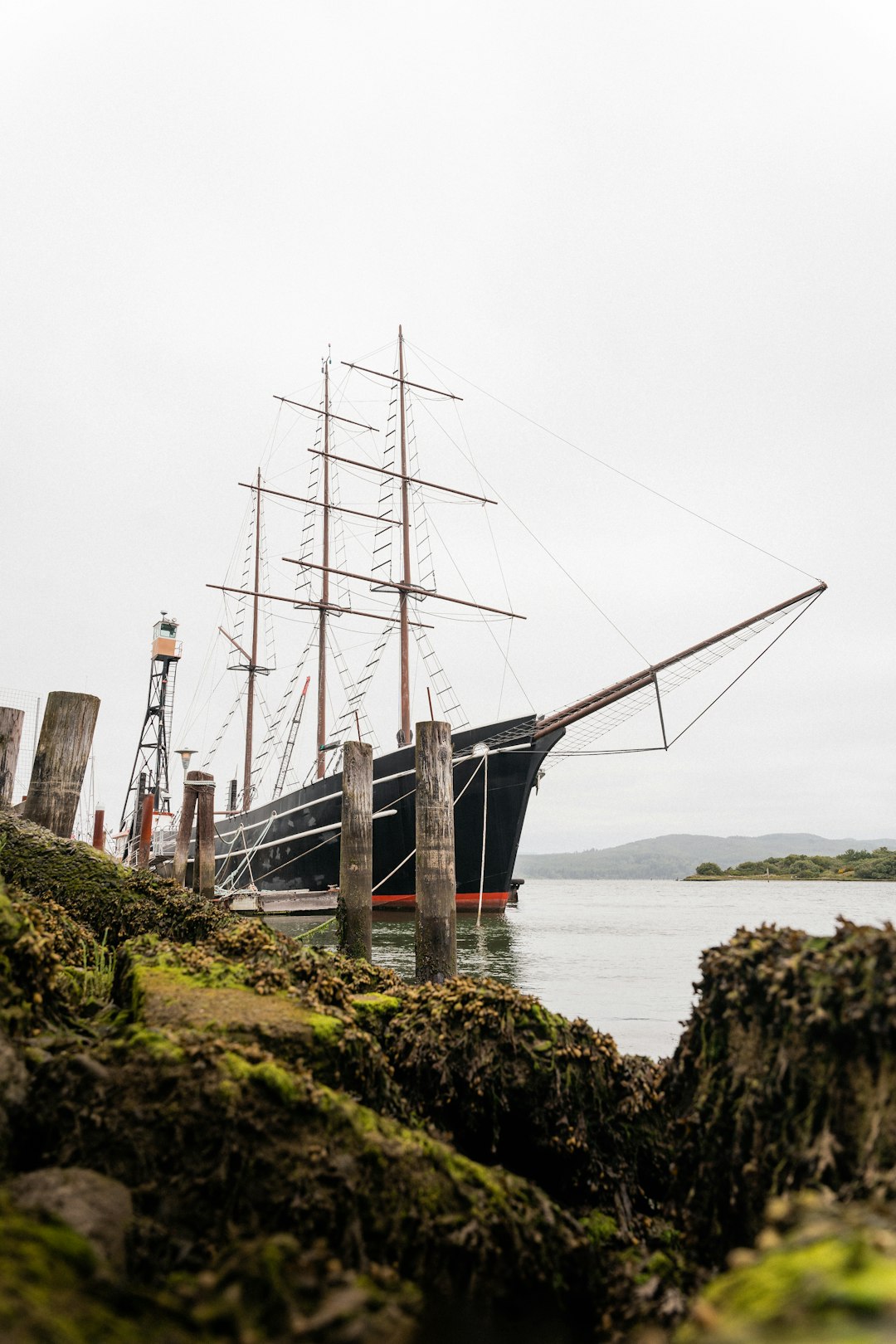
A Girl Who Refused to Stay on Shore
Grace O’Malley — Gráinne Ní Mháille in Irish — was born around 1530 on Clare Island, a small island at the mouth of Clew Bay on Ireland’s west coast. Her father, Owen Dubhdara O’Malley, was chief of the Ó Máille clan and a powerful sea trader along the Atlantic coastline.
Legend says that as a young girl, Grace wanted to sail with her father but was told her long hair would get caught in the rigging. She cut it short that night.
It was a small act. But it set the tone for everything that followed. The nickname “Gráinne Mhaol” — Bald Grace — followed her through history.
The Sea Routes She Controlled
The Ó Máille clan held authority over the waters around Clew Bay and the islands off the Mayo coast. Their wealth came from fishing, trading, and levying tolls on ships that passed through their territory.
Grace married into two powerful Connacht families — first the O’Flahertys of Connemara, then the Bourkes of Mayo. But she never surrendered the command she had built for herself.
At her peak, she is said to have controlled up to 20 sea vessels and hundreds of fighting men. She knew the tides, the safe harbours, and the danger points along hundreds of miles of coastline.
A Castle at the Water’s Edge
Her stronghold was Rockfleet Castle — Carrickahooly in Irish — a stone tower house standing directly above the tidal inlet of Clew Bay. She could watch passing ships from its upper windows and moor her galleys below the walls.
Life in an Irish tower house was nothing like a modern home. Rockfleet was small, cold, and built entirely for survival. But for Grace, it was the ideal base — close enough to the sea to launch a fleet at short notice.
She married her second husband, Richard Burke, in part to gain access to Rockfleet. When the customary year of trial marriage ended, she reportedly locked him out of the castle and kept it for herself.
☘️ Enjoying this? 64,000+ Ireland lovers get stories like this every week. Subscribe free →
The Year English Power Came for Her Family
By the 1590s, English authority over Connacht had grown considerably. Local chieftains were being displaced, their lands claimed, their power stripped away. Grace’s son Tibbot Burke and her half-brother were captured and imprisoned by the English Governor of Connacht, Sir Richard Bingham — her long-standing enemy.
She had tried fighting back, raiding and holding her sea routes by force. But Bingham had squeezed her from every direction.
So she did something no one expected. She wrote directly to Queen Elizabeth I and requested an audience.
Two Queens Across a Table
The meeting at Greenwich Palace in 1593 was unlike anything the English court had seen. Grace arrived not as a subject presenting herself before a sovereign, but as a leader negotiating terms.
She refused to bow, arguing that she owed Elizabeth no formal allegiance as an Irish chieftain. The two women reportedly spoke in Latin, since Grace had no English and Elizabeth no Irish.
What Grace asked for was direct: the release of her son and half-brother, the removal of Bingham from power over her lands, and the right to live her remaining years without English interference. Elizabeth agreed to most of it.
What She Left Behind
It did not all hold. Bingham remained in his position for a time, and English authority continued to advance into Connacht. But Tibbot was released, and Grace returned to County Mayo.
She continued her seafaring life into old age and died around 1603 at Rockfleet Castle — the same building she had once seized through strategic marriage, overlooking the same water she had spent a lifetime defending.
Today you can stand on the shore at Clew Bay and look out at the Atlantic waters she read like a map. Clare Island, where she was born, and Rockfleet Castle, where she died, are both open to visitors. If you are planning a trip to Ireland, the west coast still carries her story.
She never asked for permission to lead. She never stopped when told to stop. And she sailed to the centre of an empire — not to surrender, but to negotiate.
Ireland has no shortage of stories about resistance and survival. But Grace O’Malley’s stands apart — because she won on her own terms, in her own language, by walking into the room nobody expected her to enter.
☘️ You Might Also Love
☘️ Join 64,000+ Ireland Lovers
Every Friday, get Ireland’s hidden gems, local secrets, and travel inspiration — the kind you won’t find in any guidebook.
Free forever · · Unsubscribe anytime
Tours & experiences you might love


Powered by Viator. Some links are affiliate links — we may earn a small commission at no extra cost to you.
Secure Your Dream Irish Experience Before It’s Gone!
Planning a trip to Ireland? Don’t let sold-out tours or packed attractions spoil your journey. Iconic experiences like visiting the Cliffs of Moher, exploring the Rock of Cashel, or enjoying a guided walk through Ireland’s ancient past often sell out quickly—especially during peak travel seasons.

Booking in advance guarantees your place and ensures you can fully immerse yourself in the rich culture and breathtaking scenery without stress or disappointment. You’ll also free up time to explore Ireland’s hidden gems and savour those authentic moments that make your trip truly special.
Make the most of your journey—start planning today and secure those must-do experiences before they’re gone!