

“The Fields of Athenry,” written in 1979 by Pete St. John, has become an emblematic anthem of Irish culture, history and sporting spirit. The song’s poignant narrative and evocative melody resonate deeply with both the Irish people and their diaspora.
The Fields of Athenry Origins and Inspiration
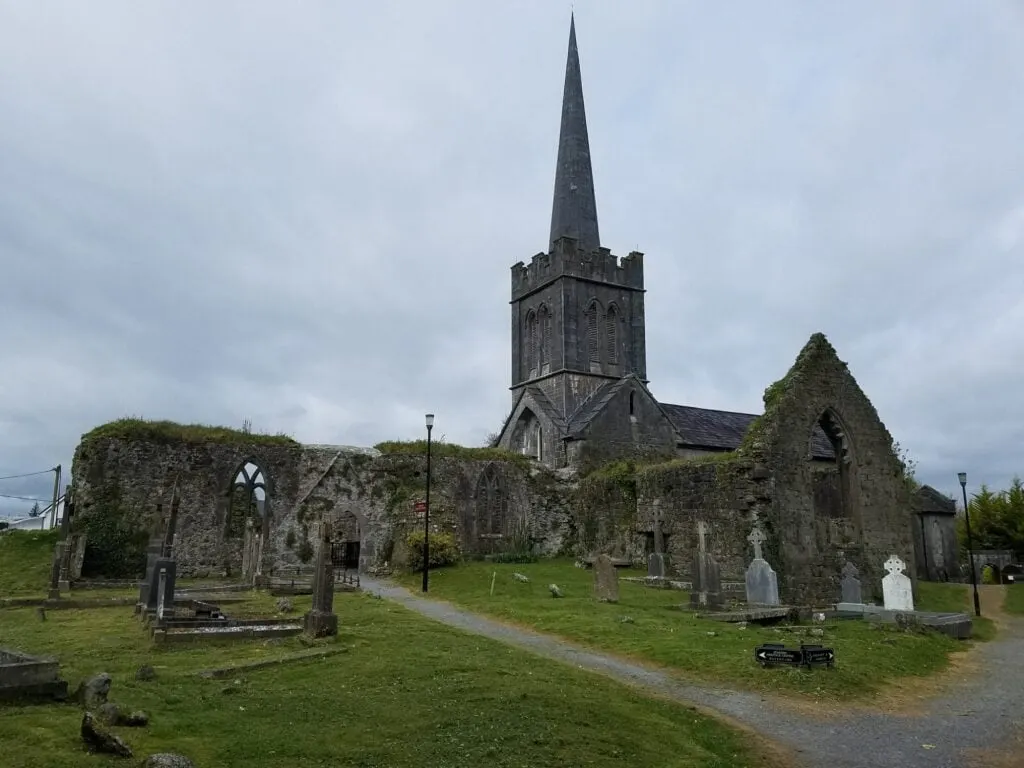
Pete St. John was inspired to write “The Fields of Athenry” after hearing a story about a young man from the Athenry area who was caught stealing corn to feed his family during the Irish famine years and subsequently deported to Australia. The song tells the tragic tale of this man, who is separated from his loved ones, encapsulating the despair and hardship faced by many during the Great Irish Famine.
Despite claims made in 1996 about a similar broadsheet ballad from the 1880s, folklorist John Moulden found no basis for these assertions. Pete St. John has maintained that he composed both the lyrics and the music, solidifying the song’s authenticity as a product of his creative effort.

The Fields of Athenry Chart Success
In 1979, Danny Doyle’s recording of “The Fields of Athenry” reached the top ten in the Irish Singles Chart. The song saw further success in 1982 with Barleycorn’s version, which peaked at number seven. However, the most enduring rendition came from Paddy Reilly in 1982, which, although it only reached number four, remained in the Irish charts for an impressive 72 weeks. Other notable versions include those by the Cox Crew in 1999 and Dance to Tipperary in 2001, both of which reached the top ten.
Historical Context
The song’s lyrics reference “Trevelyan’s corn,” a nod to Charles Edward Trevelyan, a senior English civil servant whose policies during the famine years are widely criticized. Trevelyan infamously stated that the famine was “the judgement of God sent the calamity to teach the Irish a lesson.” The reference to Trevelyan underscores the historical grievances and injustices experienced by the Irish during the famine, making the song not only a lament for personal loss but also a broader commentary on historical suffering.
Cultural Impact
“The Fields of Athenry” gained international attention during the UEFA Euro 2012 when Irish fans sang it passionately during a match against Spain, despite their imminent elimination. This display of unity and resilience was widely reported and praised in the media, cementing the song’s status as a powerful expression of Irish identity.
In conclusion, “The Fields of Athenry” is more than just a song; it is a narrative of resilience, a symbol of national pride and a unifying force across sports and generations. Its haunting melody and stirring lyrics continue to evoke deep emotions, making it an enduring piece of Irish cultural heritage.
Dubliners and Pogues Nail the Irish Rover


☘️ You Might Also Love
64,000 Ireland lovers can’t be wrong.
Every week, our free newsletter delivers hidden gems, seasonal guides, local stories, and practical travel tips — straight to your inbox. Join the community that loves Ireland as much as you do.
☘️ Want More Hidden Ireland?
Join 64,000+ subscribers who discover Ireland’s best-kept secrets every week.
Subscribe Free — Join the Community →
Free forever · Unsubscribe anytime · No spam
📥 Free Download: Ireland Travel Planning Guide
Our most popular resource — itineraries, insider tips, and the 50 places you must not miss.
Tours & experiences you might love


Powered by Viator. Some links are affiliate links — we may earn a small commission at no extra cost to you.
Secure Your Dream Irish Experience Before It’s Gone!
Planning a trip to Ireland? Don’t let sold-out tours or packed attractions spoil your journey. Iconic experiences like visiting the Cliffs of Moher, exploring the Rock of Cashel, or enjoying a guided walk through Ireland’s ancient past often sell out quickly—especially during peak travel seasons.

Booking in advance guarantees your place and ensures you can fully immerse yourself in the rich culture and breathtaking scenery without stress or disappointment. You’ll also free up time to explore Ireland’s hidden gems and savour those authentic moments that make your trip truly special.
Make the most of your journey—start planning today and secure those must-do experiences before they’re gone!