

There is a moment, somewhere between the candles and the clay pipes, when grief and celebration become indistinguishable. The Irish wake is one of the most misunderstood rituals in the world — and one of the most profoundly human.
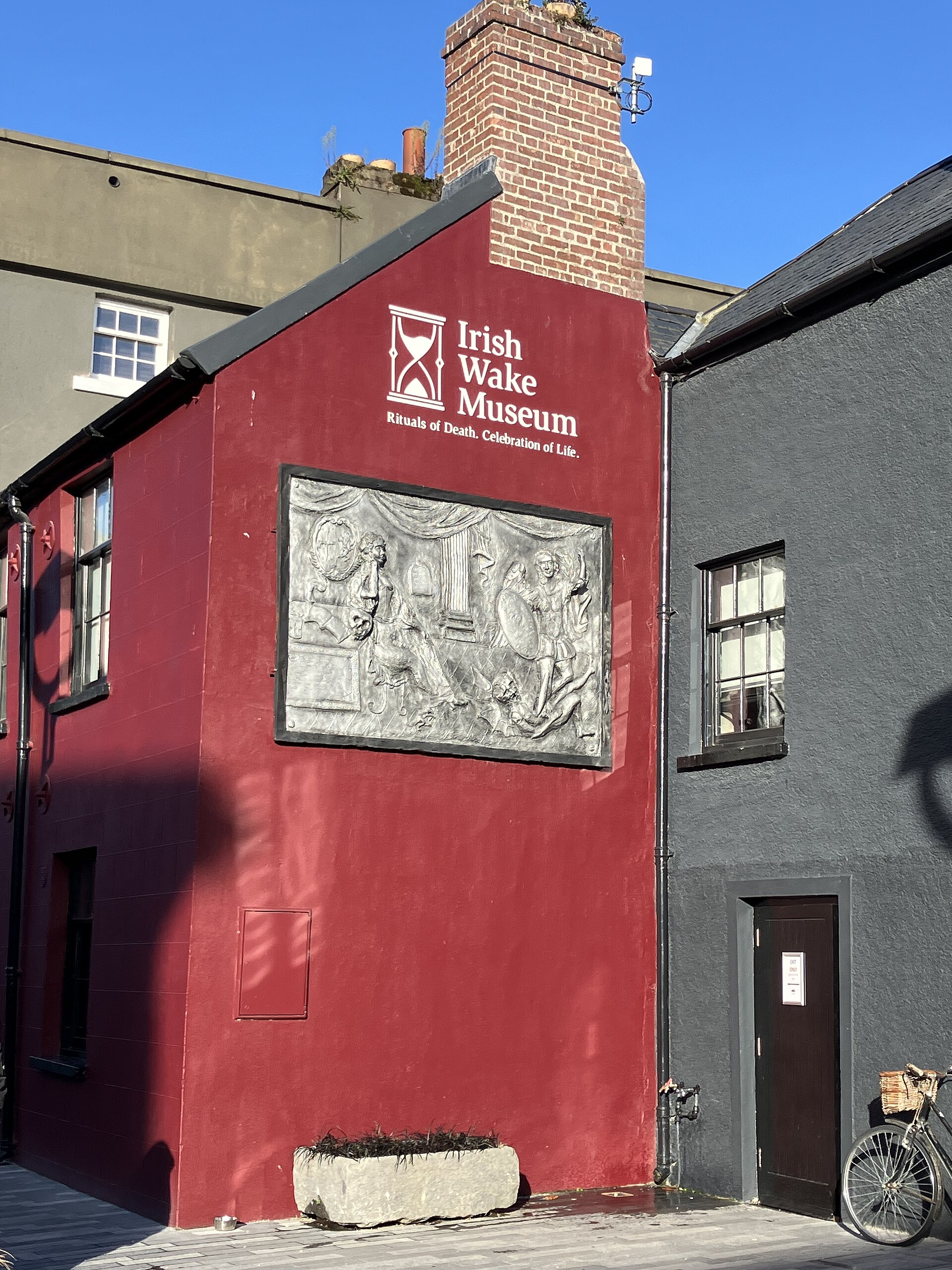
It Begins Before the Coffin Lid Is Closed
The body is washed and laid out in the family home — often in the front room, or the bedroom where the person passed. Candles are lit at the head and feet. The mirrors are covered or turned to face the wall.
The reason for covering the mirrors is older than anyone can say with certainty. Some say it prevents the soul from being trapped in its own reflection. Others say it stops the living from catching a glimpse of something they should not see. Nobody argues about it. The mirrors simply get covered.
The ritual of preparing the body was handled by family, sometimes by close neighbours. It was considered a final act of care — the last thing you could do for someone you loved.
Why the House Fills Up by Nightfall
Word travels fast in rural Ireland. A death is announced not with a formal notice but through a network of neighbours, cousins, and parish contacts who pass the news along before any newspaper can print it.
By evening, the kitchen is full. People arrive carrying food — sandwiches, soda bread, barmbrack, biscuits — and set it all on the table without being asked. Tea is made in industrial quantities. Nobody sits still for long.
This is the part many outsiders miss. The wake is not sombre silence. It is alive. Stories are told. Old tensions are momentarily forgotten. Relatives who haven’t spoken in years find themselves standing side by side, laughing at something the deceased once said or did.
The house that held grief an hour ago is now, somehow, warm.
The Games Nobody Warned You About
This is the part that shocks people most.
Historically, Irish wakes included games — actual games, played through the night to keep everyone awake and the spirits lifted. They ranged from card games and storytelling riddles to more physical antics involving costumes, mimicry, and raucous laughter at the expense of the living and the recently departed alike.
The Church was not impressed. Clergy occasionally denounced wake games from the pulpit as inappropriate and ungodly. The people largely ignored this. The games continued well into the twentieth century in many rural areas of Connacht and Munster.
Wake games were not disrespect. They were defiance — a communal refusal to let grief have the final word over a life that had been well lived.
Keening — The Sound That Carried the Dead Away
Perhaps the most haunting element of the traditional Irish wake was the keening: a high, wailing lament performed over the body, often by women who had a particular gift — or a calling — for it.
The keener — bean caointe in Irish — would sing or cry out improvised verses in praise of the dead, listing their virtues, their lineage, their losses, and the sorrows they left behind. The sound was raw and unnerving to those unfamiliar with it. To those who knew it, it was a farewell that ordinary words could never achieve.
Keening largely disappeared through the twentieth century, suppressed partly by the Church and partly by changing social customs. A handful of recordings survive. They are extraordinary — and deeply uncomfortable in the best possible way.
The Clay Pipes and the Whiskey
Tobacco and alcohol were standard at the old Irish wake. Clay pipes were provided for guests — sometimes by the dozen — to be smoked through the night and left with the body or buried alongside it. Whiskey was poured freely.
The logic was simple: you were sending someone off on a long journey, and you wanted them well seen-off. The drink was not excess. It was ceremony.
The tradition of raising a glass in memory of the dead survives in Irish pubs to this day. You will hear it in the quiet toast offered for someone whose funeral mass was that morning — a sláinte spoken with weight.
What It Really Means to Attend a Wake
In Ireland, attending a wake is an act of solidarity with the living as much as respect for the dead. You come because the family should not face the night alone. You come to share the weight of it.
There is a phrase in Irish — tá brón orm — that means “I am sad” but translates literally as “sorrow is upon me.” It is a beautiful distinction. Grief in Irish tradition is not a private wound. It is something carried together, publicly, with food and stories and sometimes song.
This instinct for communal remembrance runs deep through Irish life — you find the same spirit in the Irish tradition of lighting candles for those who are gone, or in the quiet way people here still speak of ancestors as though they are present in the room.
The Love Ireland newsletter explores these living traditions every week — the rituals and customs that make Ireland unlike anywhere else. You can sign up at loveireland.substack.com.
And if the subject of ancestry and belonging stirs something in you, the reflection on what it means to honour those who came before us is worth your time.
If you are planning your first visit to Ireland, the Start Here: Planning Your Trip to Ireland guide is the best place to begin — covering everything from the Wild Atlantic Way to the quiet villages where these old traditions still breathe.
The Irish wake is not a morbid thing. It is an act of profound love — a way of saying that this person mattered so much that the whole community must stop, gather, and bear witness together. In a world that has grown increasingly private about grief, there is something deeply comforting about that.
☘️ You Might Also Love
☘️ Want More Hidden Ireland?
Join 64,000+ subscribers who discover Ireland’s best-kept secrets every week.
Subscribe Free — Join the Community →
Free forever · Unsubscribe anytime · No spam
📥 Free Download: Ireland Travel Planning Guide
Our most popular resource — itineraries, insider tips, and the 50 places you must not miss.
Tours & experiences you might love


Powered by Viator. Some links are affiliate links — we may earn a small commission at no extra cost to you.
Secure Your Dream Irish Experience Before It’s Gone!
Planning a trip to Ireland? Don’t let sold-out tours or packed attractions spoil your journey. Iconic experiences like visiting the Cliffs of Moher, exploring the Rock of Cashel, or enjoying a guided walk through Ireland’s ancient past often sell out quickly—especially during peak travel seasons.

Booking in advance guarantees your place and ensures you can fully immerse yourself in the rich culture and breathtaking scenery without stress or disappointment. You’ll also free up time to explore Ireland’s hidden gems and savour those authentic moments that make your trip truly special.
Make the most of your journey—start planning today and secure those must-do experiences before they’re gone!