

Before Google Maps, before postcodes, before county councils, every tiny patch of Irish soil already had a name. Not the village. Not the county. The field. The boggy hollow. The hill with the single hawthorn tree. Ireland has 61,000 of these ancient land divisions — called townlands — and understanding them changes the way you see the whole country.
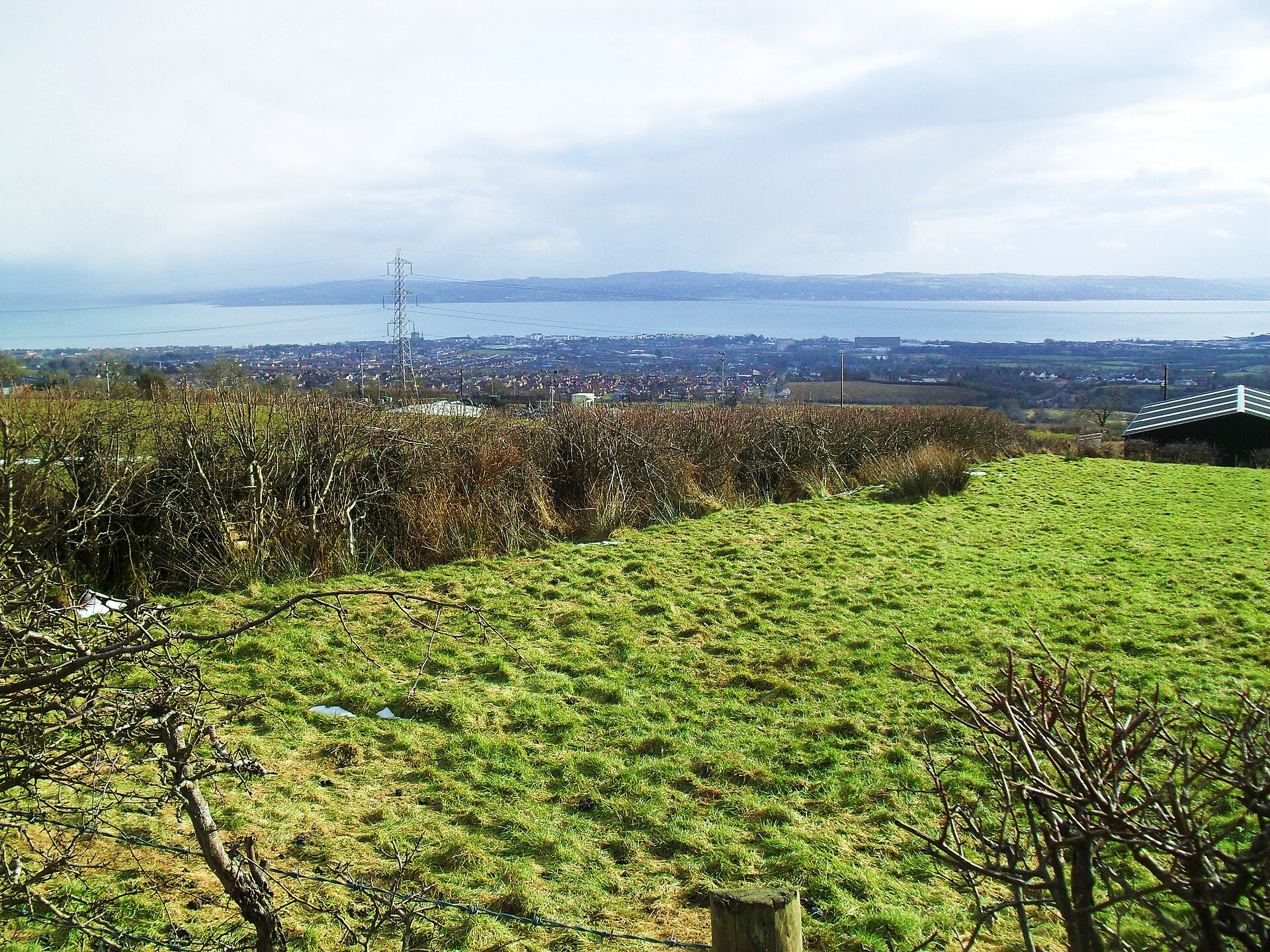
The Land Divided Before History Remembers
A townland is a translation of the Irish baile fearainn — a homestead territory, a parcel of belonging.
Watch: Do You Qualify for an Irish Passport?
Tracing your Irish family? If one of your grandparents was born in Ireland, you may be able to become an Irish citizen. This 14-minute guide explains who qualifies, what it costs and how long it takes. Thinking of making the move? Get the free Moving to Ireland checklist.
Ireland’s townland system predates English rule, predates the Norman invasion, and in many cases predates written records entirely. Historians believe the earliest townlands were established in Gaelic Ireland around the fifth or sixth century, although many were likely in use long before that.
They were the smallest recognised unit of land in Ireland. Some stretch across mountainsides. Others cover nothing more than a few acres of bog. Each one is a living relic of a world the English tried to map — and never quite understood.
Written in the Land Itself
Every townland name is a compressed story in Irish. Kilmore — the big church. Derrymore — the big oak grove. Knocknagree — the hill of the branch. Clondalkin — the meadow of the little church.
Once you understand the Irish behind the spelling, the land begins to speak.
Many names describe things that no longer exist. A place called Coillte Mór — the big woods — might today be open bog, the forests it named long since cleared for grazing or fuel. The name has outlasted the wood by a thousand years. In this sense, the townland is a map of loss as much as a map of place.
A Different Kind of Address
Ask any Irish person from a rural county where they’re from, and they will often name a townland before a county. Not Galway. Not even East Galway. But Kiltullagh. Killimordaly. Kilchreest.
This is not charming vagueness — it is ancient precision.
Even today, Irish farmers receive agricultural grants listed by townland. Rural post is delivered by townland code. Emergency services navigate by them. The 2011 census found that townlands remained more widely used in Irish addresses than any other place-name category. A system created over a thousand years ago is still doing its job.
And it does something else, too — it tells you who your neighbours are. A townland is a community boundary that outlasted every political boundary drawn over it.
The Townlands the Famine Emptied
Some of the most haunting townlands are the ones that are nearly silent now.
During and after the Great Famine of the 1840s, thousands of townlands in Connacht and Munster were emptied — by death, by eviction, by the slow grief of emigration. The names remained on the Griffith Valuation maps. The families did not.
Today, descendants of those families in Boston, Chicago, and Melbourne still carry the name of a townland they have never seen. It is their oldest address. When Irish-Americans trace their roots through genealogical records, it is often the townland that leads them home — to a ruined cottage, a gap in a stone wall, a field with a name nobody living can explain.
If you’re drawn to that kind of journey, planning an Irish heritage trip to your ancestral county can be one of the most emotional and rewarding experiences a visitor can have.
The Fight to Keep the Names
In 2012, when local authorities began removing townland names from road signs in favour of GPS postcodes and Eircode addresses, something unexpected happened.
Tens of thousands of Irish people — at home and abroad — petitioned to save them. The response caught officials off guard. This was not a heritage group lobbying. It was farmers, teachers, emigrants, grandchildren of emigrants, all insisting that these names were not optional.
They won.
It mattered not because of practicality. It mattered because a townland is an act of memory. To lose its name from a signpost is to let a story disappear quietly, without ceremony, without mourning. The Irish have always known that names are not labels — they are records. Every townland is a sentence in the longest history book in Ireland, written not in ink, but in land.
How to Notice Them When You Travel
Visitors often wonder why Irish people give directions the way they do — “past the old forge, left at the standing stone, up as far as the dip in the road.” It is the townland logic, still alive in the language of the land.
If you travel through Ireland with a little curiosity about the names you pass — on maps, on gates, on old stone walls — you will find a different country beneath the signposts. Older, stranger, and far more deeply rooted than any itinerary will show. Our Ireland trip planning hub can help you find journeys that take you beyond the obvious and into the Ireland that local families have known for centuries.
Every field has a name. And somewhere, in a faded land register or a whispered family story, someone still remembers why it was given.
☘️ You Might Also Love
☘️ Want More Hidden Ireland?
Join 64,000+ subscribers who discover Ireland’s best-kept secrets every week.
Subscribe Free — Join the Community →
Free forever · Unsubscribe anytime · No spam
📥 Free Download: Ireland Travel Planning Guide
Our most popular resource — itineraries, insider tips, and the 50 places you must not miss.
Tours & experiences you might love


Powered by Viator. Some links are affiliate links — we may earn a small commission at no extra cost to you.
Secure Your Dream Irish Experience Before It’s Gone!
Planning a trip to Ireland? Don’t let sold-out tours or packed attractions spoil your journey. Iconic experiences like visiting the Cliffs of Moher, exploring the Rock of Cashel, or enjoying a guided walk through Ireland’s ancient past often sell out quickly—especially during peak travel seasons.

Booking in advance guarantees your place and ensures you can fully immerse yourself in the rich culture and breathtaking scenery without stress or disappointment. You’ll also free up time to explore Ireland’s hidden gems and savour those authentic moments that make your trip truly special.
Make the most of your journey—start planning today and secure those must-do experiences before they’re gone!