

In the middle of an otherwise unremarkable field near Latoon, County Clare, a single hawthorn tree stands alone. The hedgerows stop well short of it. The stone walls give it a wide berth. And the narrow road that passes nearby takes an unexplained curve — a curve that cost engineers time and money — just to avoid disturbing its roots.
Nobody planted it here. Nobody tends it. And nobody will ever cut it down.
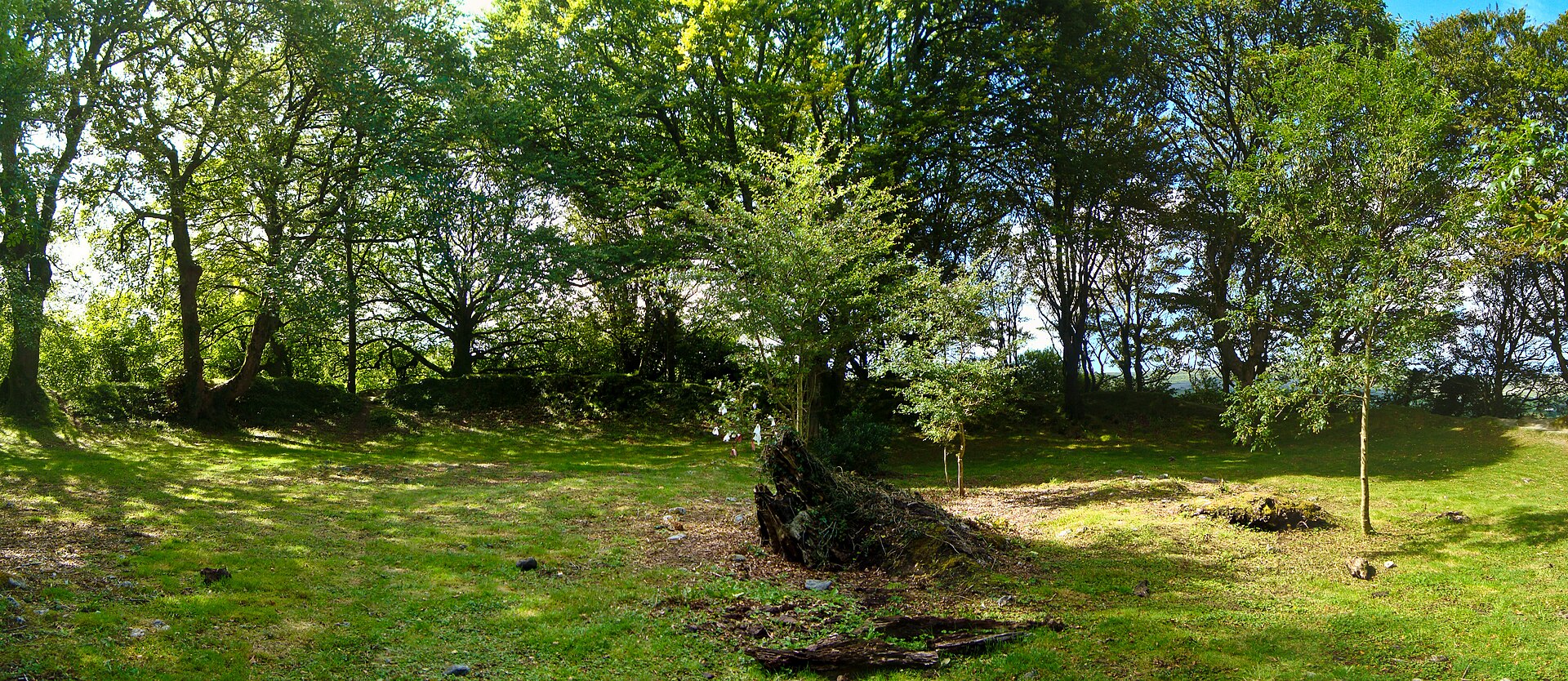
The Tree the Fairies Called Home
In Irish folklore, certain lone hawthorn trees — known variously as fairy thorns, fairy bushes, or sceach — were believed to be the dwelling places of the Good People. These weren’t random trees. They stood alone in the middle of open ground, often at the junction of ancient paths, and they carried an unmistakable air of otherness.
To cut one down was to invite catastrophe. Livestock would sicken. Children would fall ill. Misfortune would follow the offending family for generations.
The belief was so deeply held that many Irish farmers would rather plough awkward furrows around a lone thorn than risk the consequences of removing it. Some would not even prune the lower branches.
A Belief Written Into the Land Itself
What makes the fairy thorn tradition remarkable is how physically it has shaped the Irish landscape. Look at any old Ordnance Survey map of rural Ireland and you’ll see it repeatedly: paths and field boundaries that take inexplicable detours, hedgerows that leave a strange gap, laneways that bend around nothing visible.
The nothing visible, of course, is a lone hawthorn.
Archaeologists and folklorists have used these topographical oddities to locate ancient sacred sites. If the land itself remembers to step around a spot, that spot carries weight beyond the ordinary. The same instinct protects fairy forts and fairy paths across the country.
The Latoon Fairy Bush and the M18 Motorway
In 1999, Ireland rerouted the M18 motorway near Latoon, County Clare, to avoid a single lone hawthorn — the tree the world now knows as the Latoon fairy bush. The folklorist Eddie Lenihan had campaigned publicly against the removal, warning plainly of the consequences.
The road was rerouted. The hawthorn remained.
The story made international headlines and was met with bemusement abroad. In Ireland, it was met with nods. Even today, planning applications for rural developments sometimes quietly note the presence of a fairy thorn — and the preferred outcome is almost always to build around it.
Why Hawthorn, and Not Any Other Tree
The hawthorn earned its sacred status for both practical and symbolic reasons. It flowers in May, when the old calendar placed Bealtaine — the great spring festival when the boundary between this world and the Otherworld grew thin.
Its white blossoms were beautiful but strongly perfumed, and that scent was considered liminal — caught between the living and the unseen. The Celts called it the May tree, and bringing its branches indoors before May Day was considered deeply unlucky.
A lone tree growing in the middle of a field, without human intervention, belonged to a different order entirely. It was not decoration — it was presence. The Good People had chosen this spot, and only a fool would disturb it.
The Families Who Paid the Price
Every county in Ireland has its version of the story. A farmer who cleared a fairy thorn in Galway watched his cattle die within a fortnight. A builder who uprooted one during a development project suffered a run of accidents that stopped only when he made his peace with the land — sometimes with the help of a wise woman and a quiet ritual performed at dawn.
These are not stories told as curiosities. They are told as warnings, passed on by people who say they witnessed the consequences themselves.
“I don’t believe it,” one Co. Kerry farmer once remarked to a journalist. “But I wouldn’t chance it.”
The Thorn That Still Stands
Across Ireland today, lone hawthorn trees still dot the middle of otherwise tidy agricultural fields. Farmers plough around them year after year. Hedgerows are trimmed at a respectful distance. New fences accommodate them with careful gaps.
They stand in the rain without witnesses. In blossom each May, briefly spectacular, then quietly fading back into the green. Ancient, untouchable, and entirely themselves.
To visit rural Ireland and see one is to understand something that no map can show: that the Irish landscape has a memory, and the Irish people have chosen — generation after generation — to honour it.
If you are planning a trip, our Ireland trip planning guide will help you find the quiet places where history still breathes. For more on how old beliefs shaped the physical landscape, read about why Irish roads still bend around ancient fairy forts. And the fairy tradition runs deeper still — discover the dark Irish fairy belief that haunted every new mother for centuries.
Standing in a field that has been farmed for four centuries, this one small tree has outlasted every debate about progress and practicality. The fairy thorn endures — not because people still fully believe, but because they are not entirely sure they don’t.
☘️ You Might Also Love
64,000 Ireland lovers can’t be wrong.
Every week, our free newsletter delivers hidden gems, seasonal guides, local stories, and practical travel tips — straight to your inbox. Join the community that loves Ireland as much as you do.
☘️ Want More Hidden Ireland?
Join 64,000+ subscribers who discover Ireland’s best-kept secrets every week.
Subscribe Free — Join the Community →
Free forever · Unsubscribe anytime · No spam
📥 Free Download: Ireland Travel Planning Guide
Our most popular resource — itineraries, insider tips, and the 50 places you must not miss.
Tours & experiences you might love


Powered by Viator. Some links are affiliate links — we may earn a small commission at no extra cost to you.
Secure Your Dream Irish Experience Before It’s Gone!
Planning a trip to Ireland? Don’t let sold-out tours or packed attractions spoil your journey. Iconic experiences like visiting the Cliffs of Moher, exploring the Rock of Cashel, or enjoying a guided walk through Ireland’s ancient past often sell out quickly—especially during peak travel seasons.

Booking in advance guarantees your place and ensures you can fully immerse yourself in the rich culture and breathtaking scenery without stress or disappointment. You’ll also free up time to explore Ireland’s hidden gems and savour those authentic moments that make your trip truly special.
Make the most of your journey—start planning today and secure those must-do experiences before they’re gone!