

Long before dawn, the farmer heard nothing from the cow shed. But when he checked his pails that morning in May, the yield was half what it should have been. His neighbour had warned him. The hare was back.
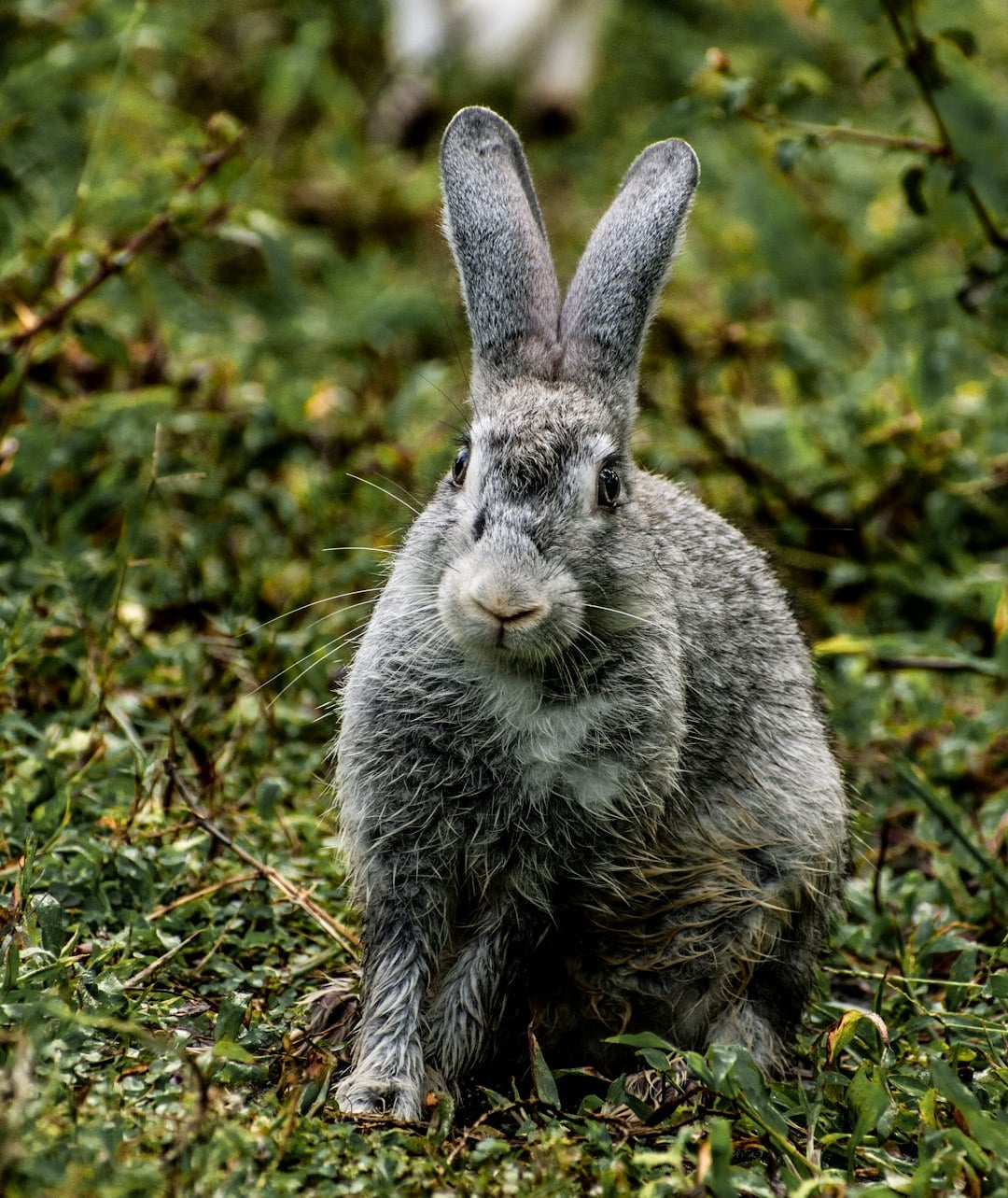
The Irish hare is one of the oldest native mammals on this island. But in the folklore of rural Ireland, it was far from innocent. From Kerry to Connemara, it was watched, whispered about, and deeply feared — especially by anyone who kept cattle.
The Creature That Drained Your Cows
Across Irish-speaking communities, a hare seen near your cow shed at dawn was never just a wild animal passing through.
The belief was specific: certain women — older neighbours, widows, those thought to carry a grudge — could transform themselves into hares at night. And they used that form to steal milk directly from cows before the farmer was awake.
It sounds easy to dismiss today. But in a farming household where milk was survival — where a dry cow could mean a hungry winter — any unexplained drop in yield needed an explanation. The hare was that explanation.
The fear was sharpest around Bealtaine, the first morning of May. This was the single most dangerous moment in the agricultural year. What you had at dawn on May morning, the old belief said, you would keep all summer. What you lost that morning, you would never recover.
Why Ordinary Bullets Couldn’t Stop It
If a farmer spotted a hare near his cattle, the instinct was to shoot. But in the folklore of Kerry and Clare, certain hares could not be killed by normal lead shot. The bullet would seem to pass through. The hare would bolt on, unhurt, and vanish into the fields.
The only solution was silver. A coin beaten into a ball, or metal melted from a religious medal, would work where ordinary shot failed.
And here is where the legend turned darker: if you wounded a shapeshifting hare with silver, the story said, you would find the witch the next morning bearing an injury in exactly the same place. A scratch on the hare’s flank became a cut on a woman’s arm. A pellet in the leg matched a neighbour who couldn’t walk straight.
The wound was the proof. That connection between two bodies — hare and woman — was what confirmed the suspicion that everyone already held.
The Charms Used Against It
Knowing the hare could come did not make farmers helpless. Irish folk tradition had specific counters.
A rowan branch laid across the dairy door on May Eve was said to prevent a shapeshifter from entering. Salt scattered across the threshold. A horseshoe or iron nail hammered above the cow shed door.
Some farmers kept watch through the night on May Eve, sitting in the dark with a rifle loaded with silver. Others worked a different angle: they made gifts of milk to older women in the village, ensuring no bad feeling could take root and no hare would come calling.
Alongside these, other folk protections called piseógs were common — small acts of charm and counter-charm that governed the invisible rules of who kept their luck and who didn’t.
☘️ Enjoying this? 64,000+ Ireland lovers get stories like this every week. Subscribe free →
The Deeper Meaning Behind the Fear
The hare’s reputation wasn’t simple ignorance. It followed a very Irish logic about the natural world.
Animals that moved at the liminal hours — at dawn and dusk, in the time between night and day — were considered dangerous. These were the hours when the natural and supernatural sat closest together. The fairy forts and enchanted ground of Ireland operated by the same logic: certain times and places were thin, porous, unreliable.
The hare, fast enough to vanish before you reached it, always moving at the wrong hours, became a vessel for every unexplained loss.
But there was a gentler side too. In older Irish mythology, the hare was a sacred creature — connected to the goddess Brigid, linked to the lunar cycle, and never to be killed carelessly. Killing a hare without cause was its own kind of bad luck.
So the same animal was feared and revered at once. Witch, goddess, wild creature — depending entirely on what the morning had brought you.
The Irish Hare Today
The Irish hare (Lepus timidus hibernicus) is now a protected species. It is a subspecies found nowhere else in the world — stockier and browner than its British cousin, native to this island for at least 28,000 years.
It survives in boglands, coastal grasslands, and upland fields across the country. Most Irish people today will never see one in the wild.
But in the old farmhouses of Kerry, Galway, and Clare, the knowledge hasn’t entirely gone. People still know the old names for what a hare near the dairy meant. They may not believe it any more, but they remember that their grandparents did.
Ireland’s oldest stories are rarely about distant kingdoms or fearsome monsters. They’re about the small brown creature that bolted across your field before sunrise — and the cold feeling that followed when you found the milk was gone.
☘️ You Might Also Love
☘️ Join 64,000+ Ireland Lovers
Every Friday, get Ireland’s hidden gems, local secrets, and travel inspiration — the kind you won’t find in any guidebook.
Subscribe free — enter your email:
Free forever · · Unsubscribe anytime
Tours & experiences you might love


Powered by Viator. Some links are affiliate links — we may earn a small commission at no extra cost to you.
Secure Your Dream Irish Experience Before It’s Gone!
Planning a trip to Ireland? Don’t let sold-out tours or packed attractions spoil your journey. Iconic experiences like visiting the Cliffs of Moher, exploring the Rock of Cashel, or enjoying a guided walk through Ireland’s ancient past often sell out quickly—especially during peak travel seasons.

Booking in advance guarantees your place and ensures you can fully immerse yourself in the rich culture and breathtaking scenery without stress or disappointment. You’ll also free up time to explore Ireland’s hidden gems and savour those authentic moments that make your trip truly special.
Make the most of your journey—start planning today and secure those must-do experiences before they’re gone!
Subscribe Free