

In early March, before crops came in and before supermarkets existed, Irish families faced their hardest stretch of the year. Winter stores were nearly gone. Fresh vegetables were weeks away. Somewhere in the hedgerows, though, the first nettles were already pushing through the soil.
They knew exactly what to do with them.
The Hungry Gap in Irish Rural Life
February and March were the hardest months on the old Irish calendar. The root vegetables stored from autumn were running out. New potatoes were still months away. Bread flour was low.
Wild plants bridged the gap. Not as a lifestyle choice — as necessity. And among all the plants that grew in Irish ditches and hedgerows in late winter, the stinging nettle was one of the most valuable.
In some parts of rural Ireland this stretch was called na míonna gorma — the blue months. The name carried the weight of real hunger.
Why Nettles, of All Things?
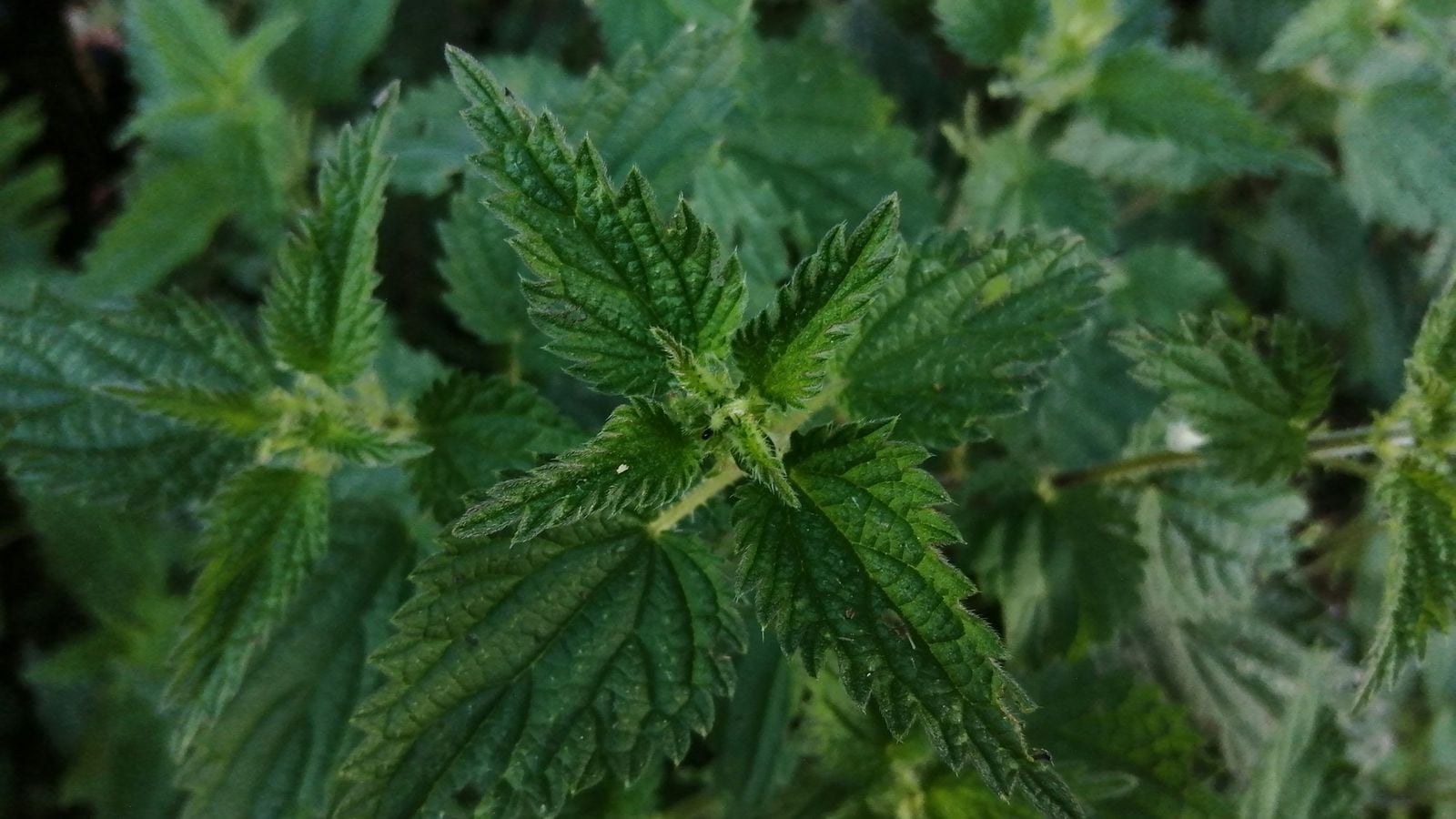
The stinging nettle (Urtica dioica) is one of the first plants to appear after winter. In a sheltered Irish ditch, you can find young growth in February. That early arrival made it crucial.
Young nettles are remarkably nutritious — more iron than spinach, good amounts of protein and vitamins A and C. When you are rationing old potatoes and stale meal, a plant that gives you that in late February is worth a great deal.
Cooking removes the sting entirely. Boiling, steaming, or wilting in a pan neutralises the formic acid. What is left tastes something like spinach, but earthier and more robust.
How Irish Cooks Used Them
☘️ Love Irish Food & Culture?
Every Wednesday, we send our best Irish recipes, food stories, and kitchen traditions straight to your inbox. Join 64,000+ readers who love Ireland.
The classic preparation was nettle soup: broth, onion, potato, and a generous handful of young nettles added near the end. It turns a vivid green. In early spring, when wild garlic also appears in Irish woodland edges, the two were often combined.
Older still is brothchán — an ancient Irish porridge-broth made with oatmeal, leeks, and whatever wild greens were available. Nettles were a regular addition and are mentioned in old Irish texts.
Nettle tea was made simply by steeping young leaves in hot water. It was believed to clean the blood after winter — which, as it turns out, has some basis in the plant’s natural compounds.
☘️ Enjoying this? 64,000+ Ireland lovers get stories like this every week. Subscribe free →
The Medicinal Tradition
Irish folk medicine valued nettles well beyond food. Arthritis, kidney complaints, and winter fatigue — the nettle appeared in treatments for all of them.
The sting itself was applied deliberately to arthritic joints, a practise called urtication. It sounds extreme, but it was recorded across Irish counties for centuries and is still occasionally practised. The temporary inflammation it causes can bring temporary relief to stiff joints.
Dried nettle leaves were added to bread and puddings. Nettle seed oil was used as a hair treatment. The plant was used in everything.
The Tradition Today
Something interesting happened in Irish food over the last decade. The same plants that kept rural families alive in the hungry months ended up on tasting menus.
Chefs across Galway’s vibrant food scene began reaching for foraged ingredients — wild garlic, sea purslane, wood sorrel, and nettles — as a way of rooting their cooking in the Irish landscape.
Foraging walks are now a popular visitor activity. The Burren in County Clare, the Wicklow hills, and the Connemara coastline are all well-known foraging spots. Spring is the best time to go. The nettles are out, the wild garlic is flowering, and someone will almost certainly make you a bowl of vivid green soup at the end of it.
How to Pick Nettles Safely
If you’d rather forage than join a guided walk, the rules are simple. Pick only the top two or three pairs of young leaves — before the plant flowers. Use gloves, or pinch the leaf quickly from the underside (the sting is on the upper surface). Rinse thoroughly and cook straight away.
Pick away from roadsides and farmland that may have been sprayed. Hedgerows, woodland edges, and riverbanks are the best spots. In Ireland, you will rarely walk far before you find them.
If you are planning a visit, the Ireland travel planning guide covers everything you need to know about the best times to visit and what to look for each season.
There’s something quietly satisfying about eating something that grew wild, unprompted, in a hedgerow a few miles from where you are sitting. Irish cooks did this for centuries — not because it was fashionable, but because it was the only sensible thing to do. That knowledge survived. And every March, when the first nettles push through in Irish ditches, someone somewhere is already filling a pot.
☘️ You Might Also Love
☘️ Join 64,000+ Ireland Lovers
Every Friday, get Ireland’s hidden gems, local secrets, and travel inspiration — the kind you won’t find in any guidebook.
Free forever · · Unsubscribe anytime
☘️ Get More Irish Recipes & Stories
Join 64,000+ readers for weekly Irish recipes, food traditions, travel guides, and hidden gems. Free every morning.
Tours & experiences you might love


Powered by Viator. Some links are affiliate links — we may earn a small commission at no extra cost to you.
Secure Your Dream Irish Experience Before It’s Gone!
Planning a trip to Ireland? Don’t let sold-out tours or packed attractions spoil your journey. Iconic experiences like visiting the Cliffs of Moher, exploring the Rock of Cashel, or enjoying a guided walk through Ireland’s ancient past often sell out quickly—especially during peak travel seasons.

Booking in advance guarantees your place and ensures you can fully immerse yourself in the rich culture and breathtaking scenery without stress or disappointment. You’ll also free up time to explore Ireland’s hidden gems and savour those authentic moments that make your trip truly special.
Make the most of your journey—start planning today and secure those must-do experiences before they’re gone!